

Description
Moisture Resistant Construction And Practical Use Of Wax Paper Cups
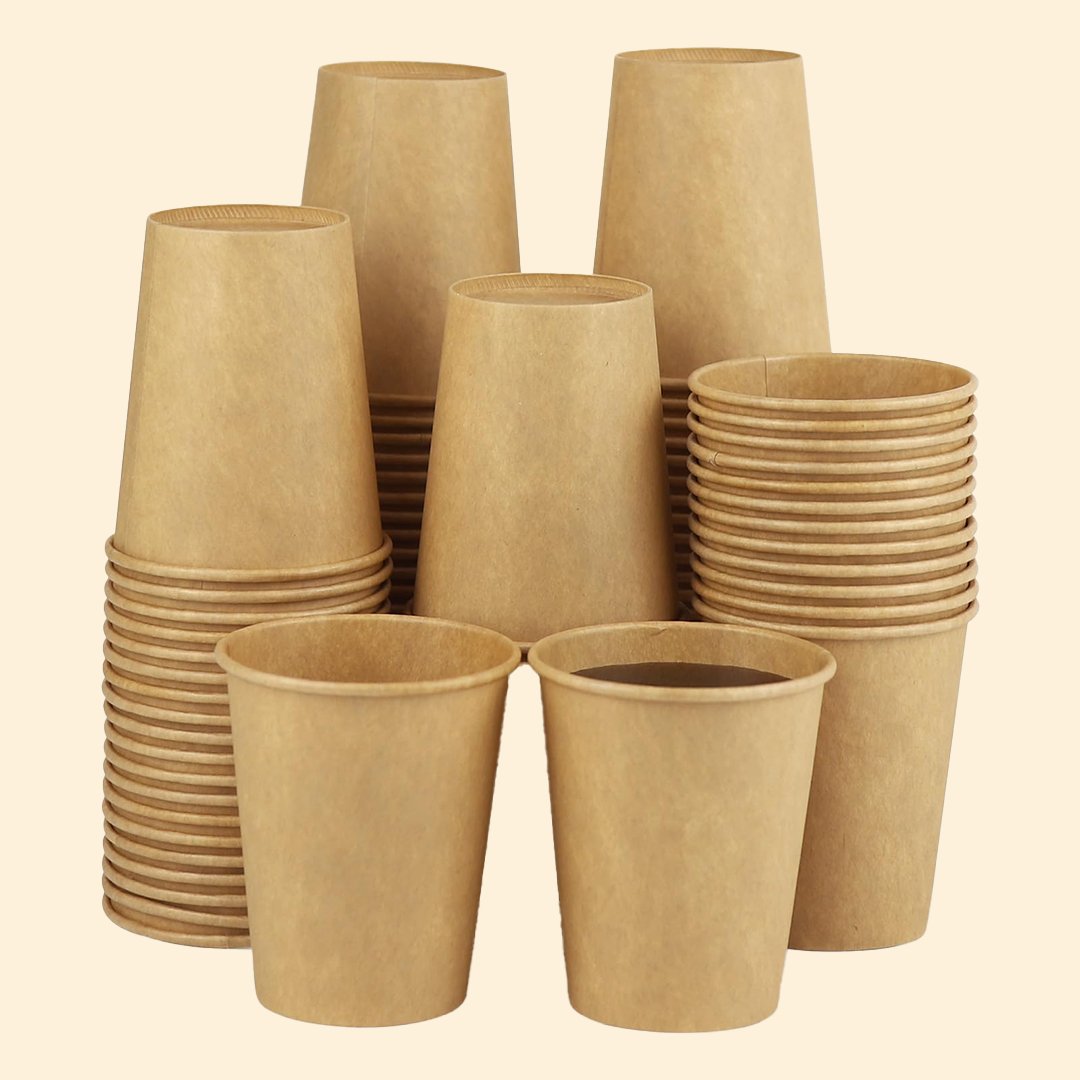
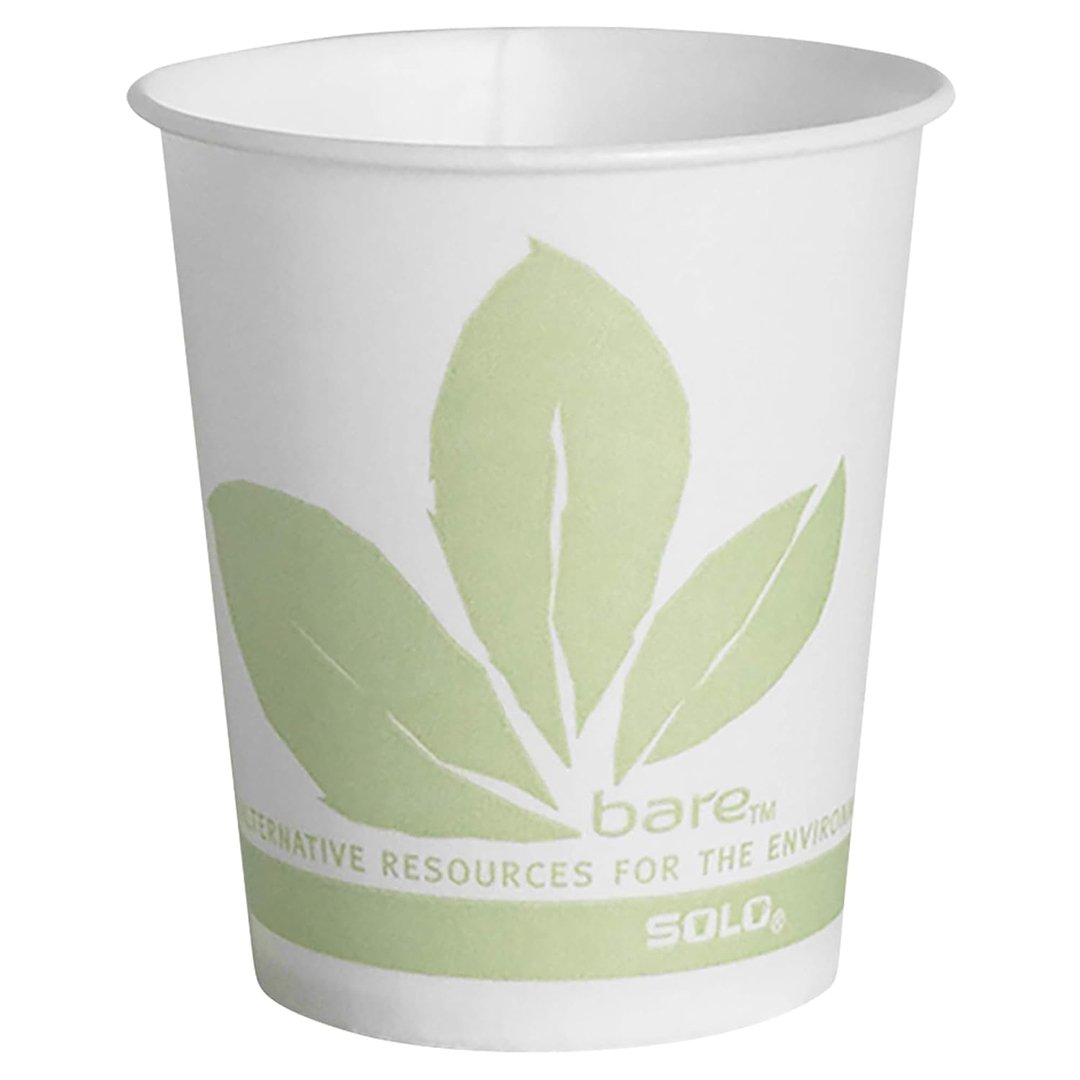
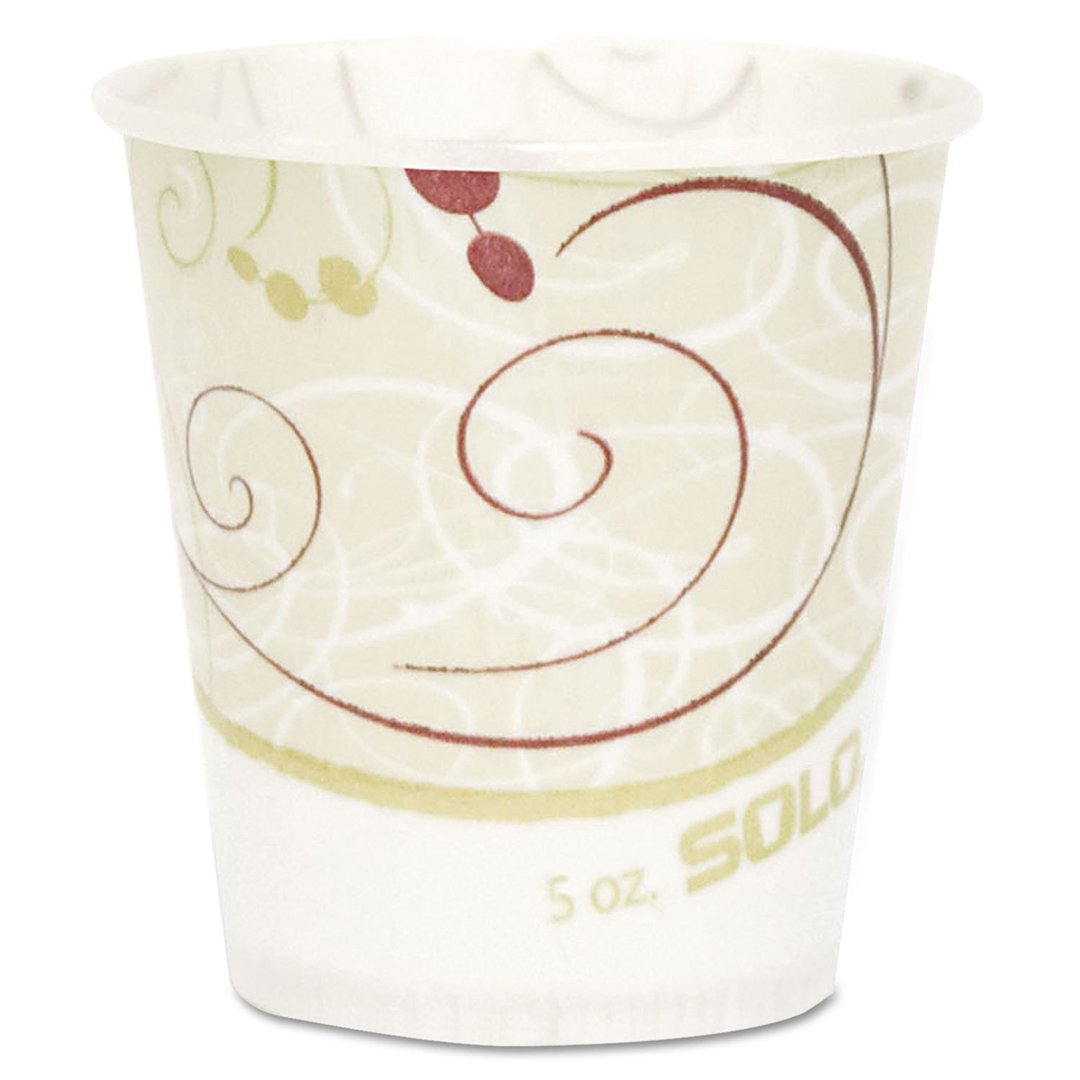
Wax paper cups are developed to handle liquid exposure without allowing the paperboard to weaken quickly. A thin internal coating creates a barrier that reduces moisture absorption, helping the cup maintain its shape while filled. In beverage service where handling speed and reliability matter, coated paper cup materials are often selected because they support stable performance across multiple uses during a single serving cycle. The cup remains firm enough to hold and carry, even when condensation or liquid contact is present.
The body of the cup is formed from structured paperboard, designed to maintain balance and prevent collapse during handling. The base is sealed in a way that supports liquid containment, reducing the chances of seepage when cups are placed on flat surfaces or carried in trays. This makes wax paper cups a practical option for situations where drinks are served continuously, such as events, takeaway counters, or quick beverage stations.
Because the inner layer creates a smooth surface, liquids can be poured more evenly, and the contents settle without affecting the structural integrity. This helps reduce spills and allows the cup to perform consistently during use. For large volume requirements, a free quote and custom design can help define sizes and finishes, and free delivery in USA may be arranged depending on the order scale.
Internal Wax Layer Supporting Liquid Stability And Flow
The wax coating acts as a protective film that keeps liquids from soaking into the paperboard fibers. This helps maintain the rigidity of the cup and ensures that it does not become soft during use. The coating also creates a smoother interior, which helps with controlled pouring and reduces resistance when liquids are added or removed.
When compared with alternative coated paper cups, wax coated cups provide a consistent inner layer that helps preserve cup performance across different drink types. The coating reduces the chances of damp outer walls, which improves grip and handling during service. This is especially important when cups are held for longer periods or passed between users.
-
Maintain a consistent inner coating to reduce liquid absorption.
-
Ensure base sealing remains intact to prevent leakage.
-
Keep rim edges smooth for comfortable use.
-
Use proper stacking to protect cup shape.
-
Store in dry conditions before use.
| Feature Focus | Cup Element | Functional Result | Use Case | Note |
|---|---|---|---|---|
| Inner Layer | Wax coating | Moisture barrier | Cold drinks | Reduces soak-through |
| Paperboard | Structural body | Shape retention | Daily use | Lightweight build |
| Base Seal | Bottom closure | Leak control | Takeaway | Stable placement |
| Rim Design | Rolled edge | Comfortable sip | Tastings | Smooth finish |
| Stack Fit | Nested cups | Easy storage | Bulk supply | Quick separation |
Functional Behavior In Beverage And Light Food Serving
Wax paper cups are commonly used for beverages that require short to moderate holding time. The wax coating helps contain liquids while preventing the structure from weakening. This allows the cup to perform reliably during serving, even when exposed to moisture from drinks or condensation. The cup remains usable during typical consumption time without losing its shape.
In setups where both beverages and light food portions are served, wax paper cups can align with other packaging types. For example, when paired with hot food container cups, a consistent material approach can be maintained across different serving formats. This helps simplify operations and ensures that packaging behaves in a similar way under moisture exposure.
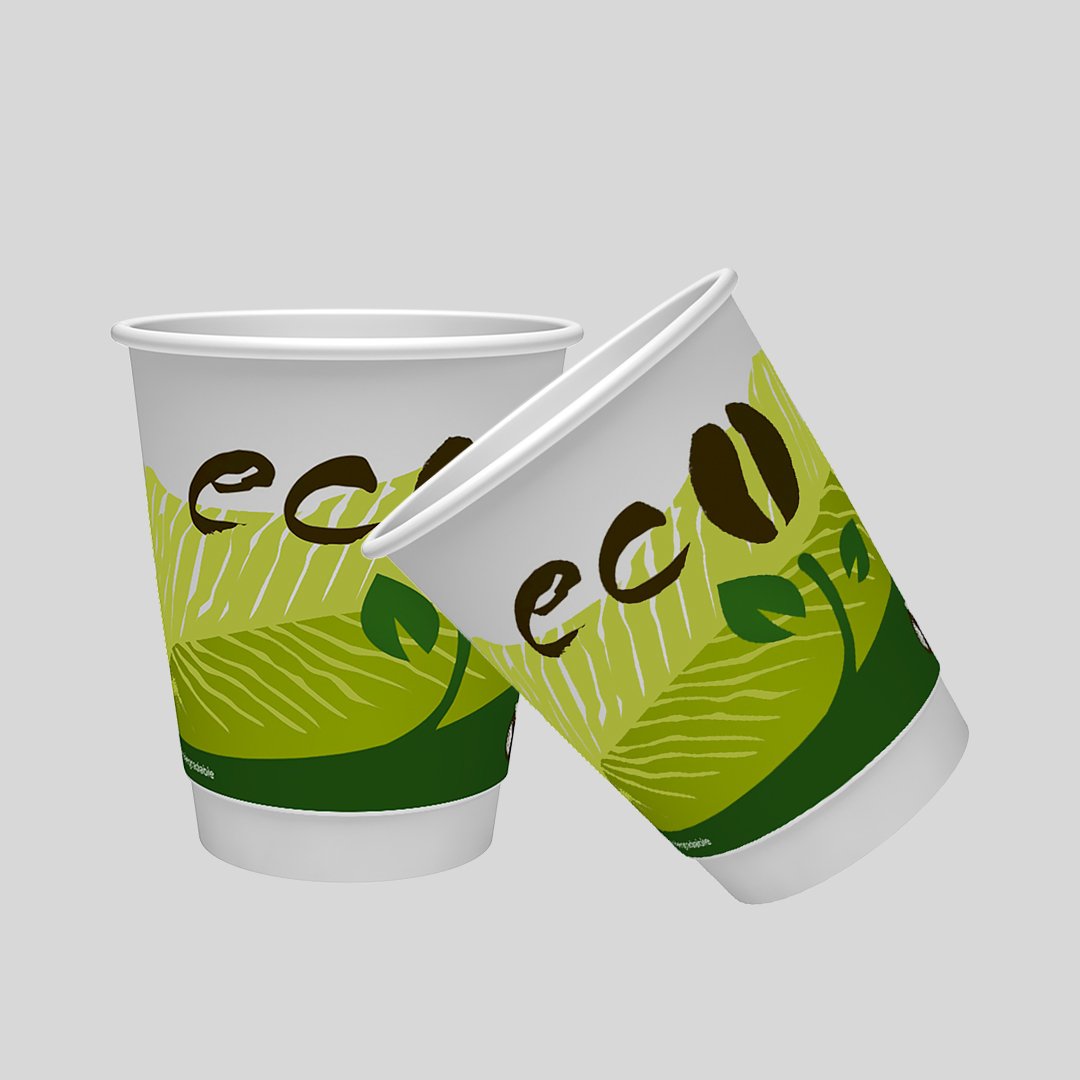
The outer surface of wax paper cups is usually simple, allowing for clear presentation without heavy finishing. This helps keep the focus on functionality while maintaining a neat appearance. The cups can be used across different environments, from small gatherings to large service setups, where ease of handling and consistent performance are important.
Barrier Performance Under Temperature And Handling Conditions
The wax coating helps the cup respond to temperature changes by limiting direct moisture transfer. For cold drinks, it helps manage condensation, keeping the outer surface more stable to hold. For warm beverages, it allows the cup to maintain its form for the duration of typical use. This balance supports versatility across different beverage types.
Compared with recycling friendly cups, wax coated cups offer stronger resistance to liquid penetration during use, although disposal methods may vary depending on local systems. The coating thickness, paperboard quality, and sealing method all influence how the cup performs under different conditions.
-
Match coating thickness with beverage type.
-
Maintain structural balance for stability.
-
Ensure sealing prevents leakage during movement.
-
Keep rim edges consistent for better use.
-
Avoid exposure to moisture before filling.
| Feature Focus | Design Choice | Performance Outcome | Application | Tip |
|---|---|---|---|---|
| Coating Type | Wax barrier | Reduced absorption | Cold drinks | Keeps surface dry |
| Wall Strength | Paper thickness | Stable grip | Events | Supports handling |
| Base Design | Reinforced seal | Leak resistance | Takeaway | Prevents drips |
| Rim Form | Smooth edge | Drinking comfort | Daily use | Avoid damage |
| Inner Surface | Low friction | Easy pouring | Service lines | Clean flow |
Structural Design Elements Supporting Daily Use
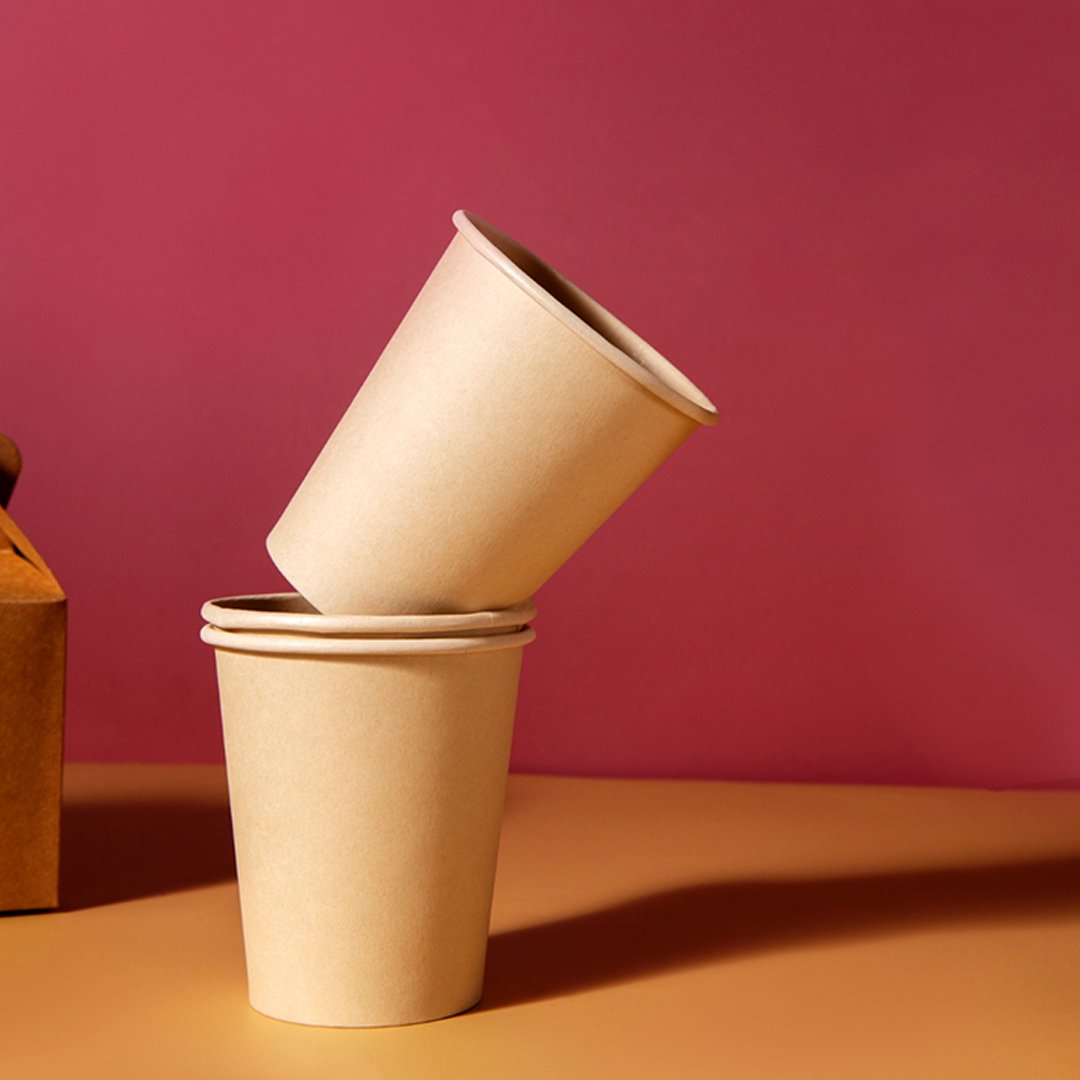
The design of wax paper cups focuses on maintaining structure during handling, storage, and service. The cup walls are shaped to distribute pressure evenly, helping the cup remain upright when filled. This reduces the risk of collapse and allows for easier stacking in both storage and service environments.
The base of the cup is secured to handle liquid weight without distortion. This is important when cups are placed on trays or counters, as stability reduces the chance of tipping. The rim is formed to provide a smooth drinking edge, which also supports compatibility with lids where required.
When used alongside sustainable paper cups, wax paper cups can be part of a broader packaging approach that balances performance and material choice. This allows businesses to select cup types based on specific serving needs, such as moisture resistance or disposal preferences.
Balanced Shape And Strength For Consistent Handling
The cup’s shape plays a role in how it performs during use. A well-formed structure ensures that the cup remains balanced when filled, reducing spills during movement. The paperboard thickness is selected to provide strength without adding unnecessary weight, making the cup easy to carry and stack.
This balance between structure and usability is important in high-volume service, where cups are handled repeatedly. A consistent shape ensures that lids fit properly, stacks remain aligned, and cups can be separated quickly without sticking together.
-
Maintain consistent wall thickness for strength.
-
Use stable base sealing for liquid support.
-
Keep rim edges uniform for lid fit.
-
Stack cups properly to avoid deformation.
-
Store away from humidity to protect material.
| Feature Focus | Structural Element | Benefit | Suitable Use | Note |
|---|---|---|---|---|
| Cup Shape | Tapered form | Stability | Beverage service | Prevents tipping |
| Wall Build | Paperboard layers | Strength | Daily handling | Lightweight |
| Base Seal | Reinforced bottom | Leak control | Takeaway | Secure hold |
| Rim Edge | Smooth roll | Comfort | Drinking | Lid compatibility |
| Stack Design | Nested cups | Storage ease | Bulk use | Fast access |
Surface Handling And Practical Storage Considerations
Wax paper cups are designed to support practical storage and handling conditions. Their lightweight structure allows them to be stacked in large quantities, which helps save space during storage. The wax coating protects the inner surface, but it is still important to keep the cups in dry conditions before use.
Humidity can affect paperboard strength, so storing cups in a controlled environment helps maintain their performance. Proper stacking ensures that the rims are not damaged, which is important for both drinking comfort and lid compatibility.
The outer surface can support basic layouts, which helps identify cup sizes or contents when multiple options are available. This is useful in service areas where different drinks are prepared simultaneously. The simplicity of the surface allows for clear identification without adding complexity to the cup design.
Storage Conditions That Maintain Cup Quality Over Time
Keeping wax paper cups in suitable storage conditions helps preserve their usability. Dry environments prevent premature softening of the paperboard, while proper stacking avoids deformation. Handling the cups carefully during transport and setup also helps maintain their shape and performance.
When compared with other packaging options, wax paper cups require minimal preparation before use. They can be taken directly from storage and used without additional setup, which supports efficient service. This makes them suitable for environments where quick access and consistent quality are required.
-
Store cups in dry and clean conditions.
-
Keep stacks aligned to protect rim shape.
-
Avoid exposure to direct moisture.
-
Handle gently during transport.
-
Rotate stock to maintain freshness.
| Feature Focus | Storage Method | Benefit | Use Case | Tip |
|---|---|---|---|---|
| Environment | Dry storage | Maintains strength | Warehousing | Avoid humidity |
| Stacking | Upright alignment | Protects shape | Bulk storage | Prevent damage |
| Handling | Careful movement | Preserves structure | Transport | Reduce pressure |
| Access | Organized stacks | Easy retrieval | Service areas | Saves time |
| Rotation | First-in use | Consistency | Inventory | Maintain quality |
Practical Advantages For Short Duration Beverage Service
Wax paper cups are suited for situations where beverages are consumed within a short time frame. The coating helps maintain the structure long enough for typical use, while the paperboard provides a lightweight and manageable form. This combination supports efficient service in environments where cups are used quickly and replaced frequently.
The cups are easy to distribute, carry, and dispose of after use. Their design focuses on functionality, ensuring that they perform reliably without adding complexity to the serving process. This makes them suitable for events, takeaway setups, and daily beverage service.
Because they can be produced in different sizes, wax paper cups can support a range of serving requirements, from small portions to larger drinks. This flexibility allows them to be used across different applications while maintaining consistent performance.
Adaptable Use Across Different Beverage Serving Needs
Wax paper cups can be used for cold drinks, warm beverages, and light liquid servings. Their coating supports moisture resistance, while the paperboard ensures structural stability. This allows them to adapt to different serving conditions without requiring changes in handling or storage.
The cups can also be combined with other packaging types to create a complete serving setup. This helps maintain consistency across products while supporting different types of food and beverage service.
-
Use appropriate size for each serving.
-
Match cup type with beverage temperature.
-
Ensure proper storage before use.
-
Maintain clean handling during service.
-
Dispose of cups according to local guidelines.
| Feature Focus | Usage Element | Benefit | Suitable For | Note |
|---|---|---|---|---|
| Size Range | Multiple capacities | Flexible use | Drinks | Portion control |
| Coating | Moisture barrier | Stability | Cold/warm drinks | Prevents soaking |
| Weight | Lightweight build | Easy handling | Events | Convenient use |
| Structure | Firm body | Reliable grip | Service | Maintains shape |
| Disposal | Simple process | Easy cleanup | Takeaway | Follow local rules |
Wax paper cups offer a balanced combination of moisture resistance, structural support, and practical handling. Their design allows them to perform effectively in everyday beverage service, where reliability and ease of use are important. By maintaining proper storage and handling, these cups provide consistent results across different applications while supporting efficient service operations.