

Description
Presentation Control And Portion Display Balance
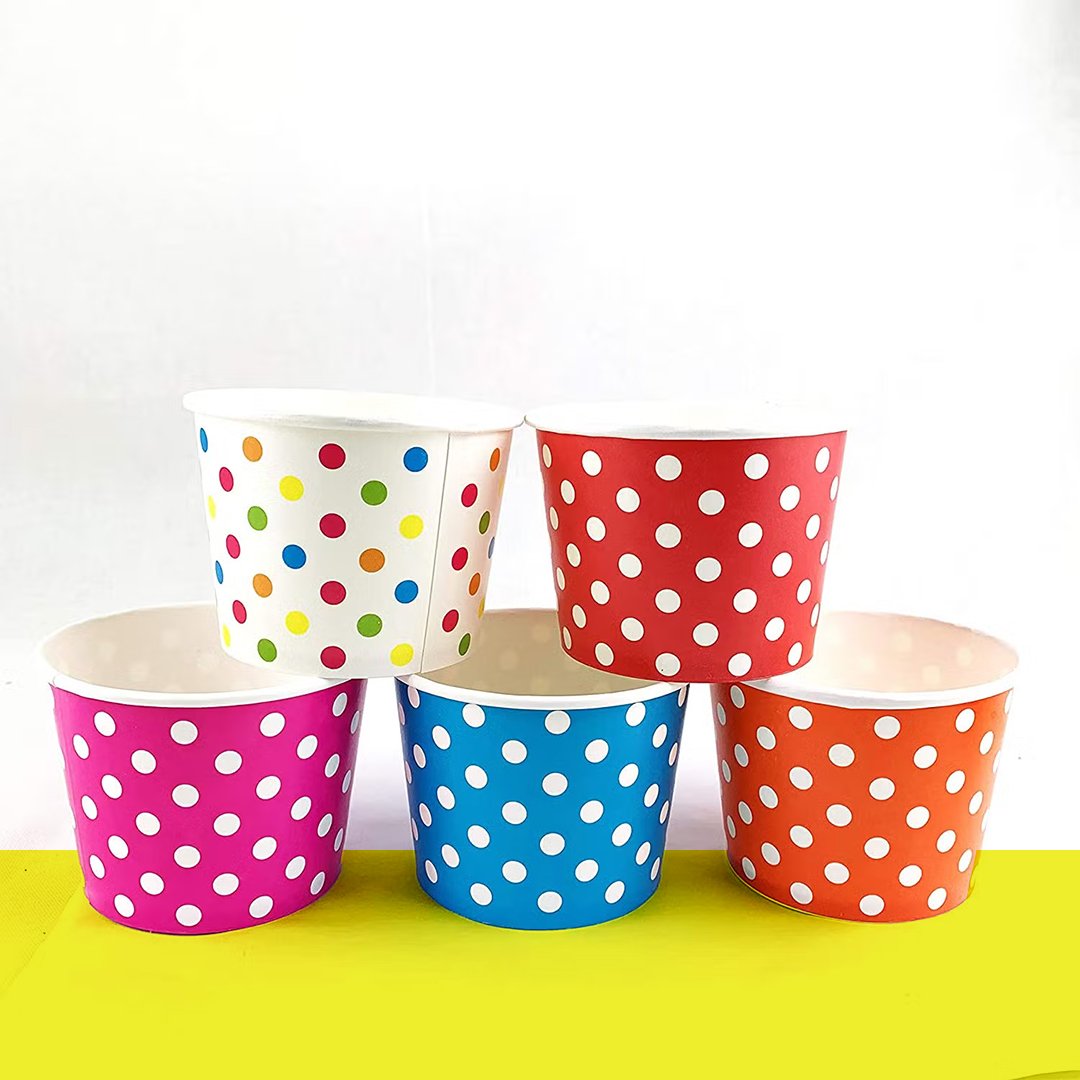
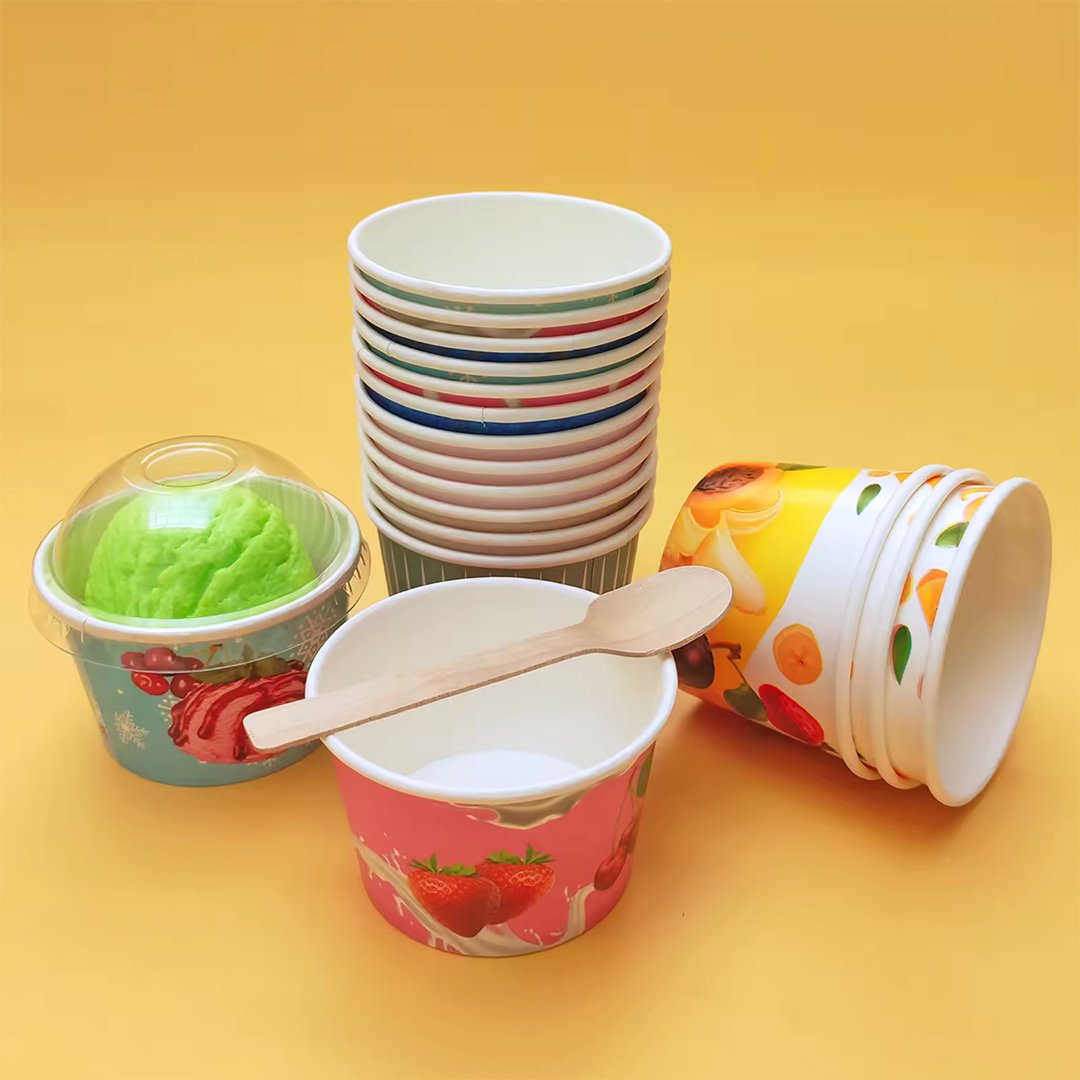
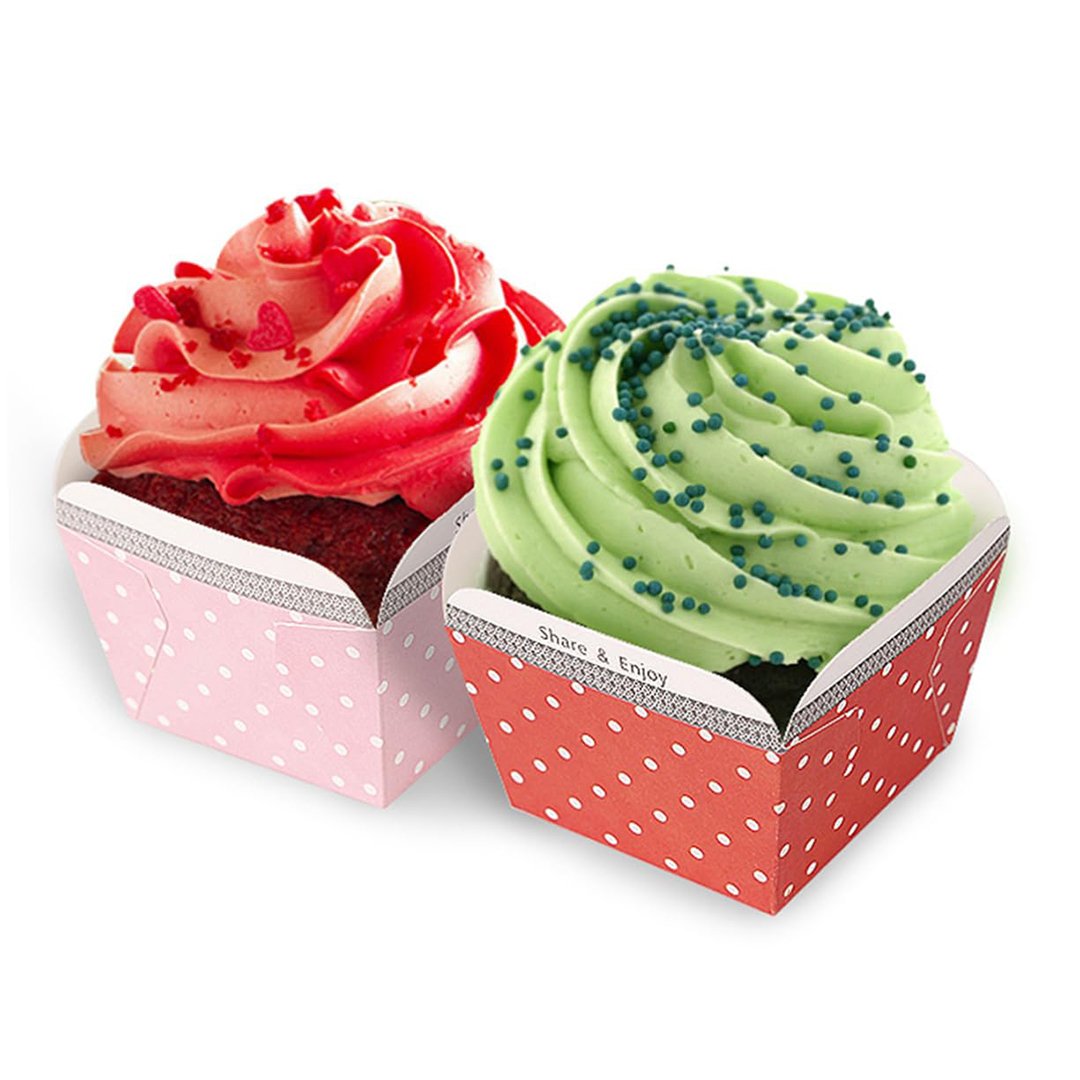
Paper dessert cups are designed to hold and present sweet servings in a way that keeps both structure and appearance aligned. When working with items like mousse, ice cream, fruit mixes, or layered desserts, maintaining shape becomes just as important as maintaining visual appeal. Within setups that focus on dessert serving paper cup range, these cups allow portions to remain defined without spreading or collapsing.
The structure is developed to support both light and dense fillings. A stable base ensures that the cup sits firmly on trays or counters, while the side walls help maintain the original form of the dessert. This becomes important when desserts include sauces, creams, or soft textures that need containment. The material also supports clean edges so that layered desserts remain visible rather than blending together.
In many service setups, consistency across servings is required. Paper dessert cups provide uniform sizing so that each portion looks similar to the next. This helps maintain visual balance when multiple cups are placed together. Businesses often request a free quote to align cup dimensions with their dessert sizes, and custom design options allow adjustments to shape, depth, and rim style. Free delivery in USA may be available depending on order volume.
Structural Depth And Rim Shape For Clean Serving
The rim and depth of a dessert cup influence how the product is served and consumed. In setups where toppings are added, a wider rim can help keep ingredients inside the cup without spilling. When compared with small treat cups, dessert cups often include slightly deeper walls to support layered or mixed items.
The rim is usually rolled or reinforced to provide a smooth edge. This helps with comfortable handling and also supports lids when required. Depth is carefully balanced so that the cup can hold enough product without becoming unstable.
-
Maintain balanced depth for layered desserts.
-
Use smooth rim edges for safe handling.
-
Support toppings without overflow.
-
Keep shape stable during use.
-
Allow stacking without damage.
| Feature Focus | Cup Element | Functional Benefit | Suitable For | Notes |
|---|---|---|---|---|
| Depth Design | Medium wall height | Holds layers | Desserts | Balanced fill |
| Rim Finish | Rounded edge | Easy use | Serving | Smooth feel |
| Base Shape | Flat bottom | Stability | Counters | No tipping |
| Wall Strength | Firm sides | Structure hold | Cream desserts | Keeps shape |
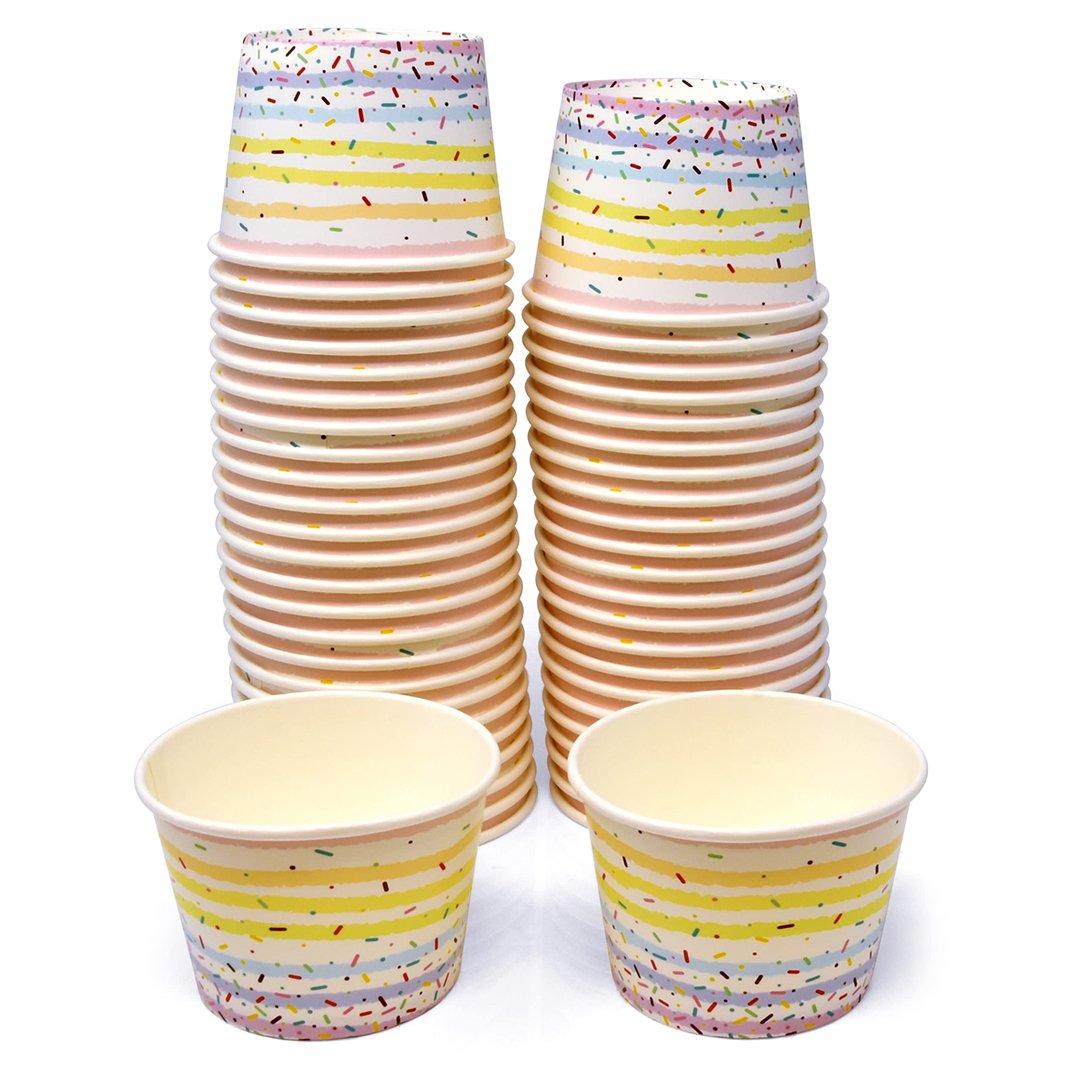
| Stack Design | Nested cups | Space saving | Storage | Organized |
Surface Clarity For Visual Dessert Presentation
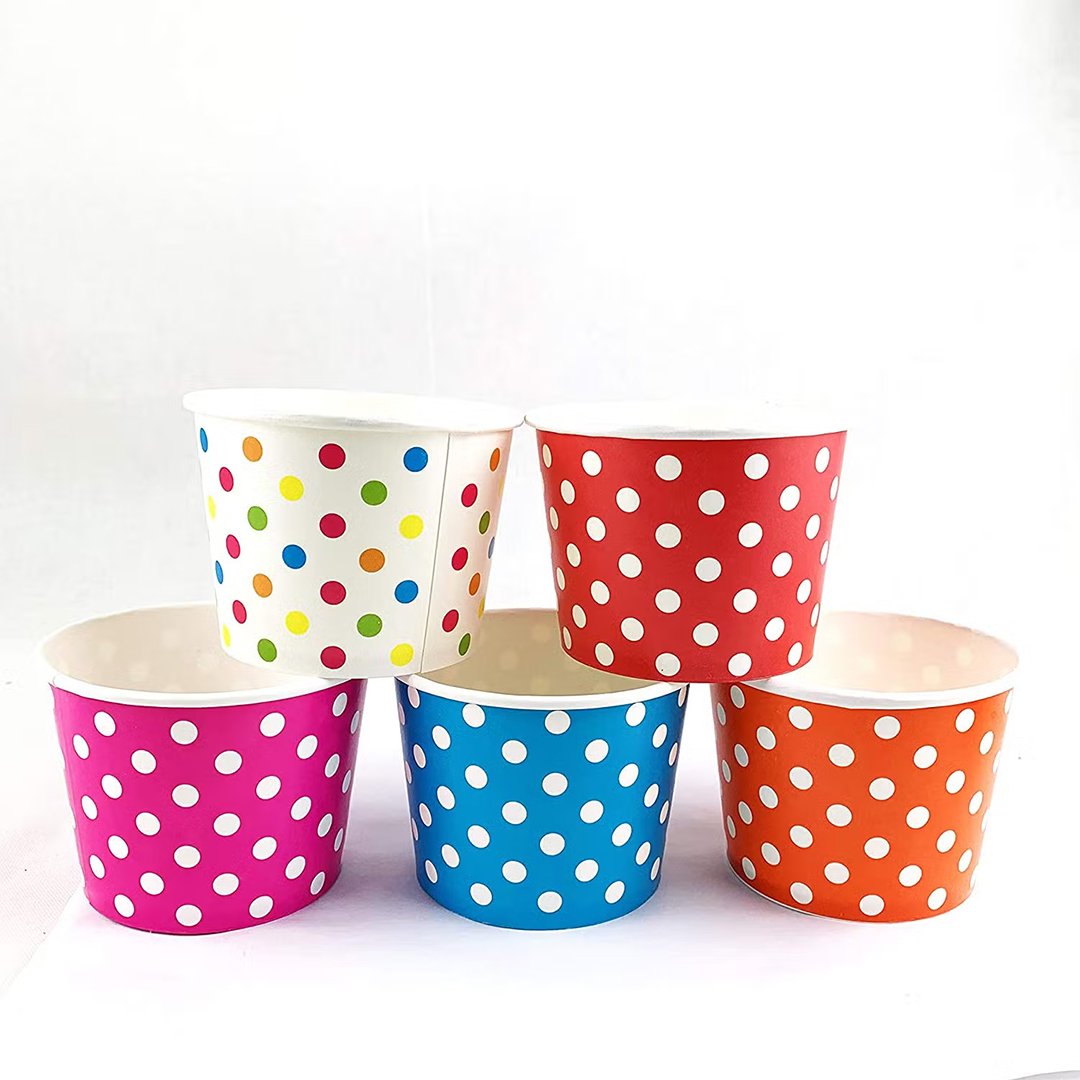
The outer surface of paper dessert cups plays a role in how the product is perceived. Smooth finishes allow designs to remain clear, while simple layouts keep attention on the dessert itself. Compared with wide dessert cups, which may focus on capacity, these cups balance both appearance and usability.
A clean outer layer also helps maintain hygiene. It prevents moisture from reaching the outside surface, keeping the cup easy to handle. The visual tone can be adjusted through printing or kept minimal depending on the setting.
Portion Control And Serving Efficiency Flow
Paper dessert cups are often selected for their ability to support portion control. Each cup can be filled with a consistent amount, helping maintain uniform servings across different batches. This is useful in environments where multiple servings are prepared in advance.
Using portion dessert servings, dessert cups help reduce variation between servings. This ensures that each portion looks similar and meets expected size requirements. It also simplifies preparation, as pre-measured amounts can be placed directly into each cup.
Portion Accuracy And Measured Filling Approach
When preparing desserts in bulk, maintaining consistency is important. Paper dessert cups help achieve this by providing fixed volume options. This allows each serving to be measured without additional tools.
This approach is useful for layered desserts, where each layer needs to remain balanced. The structure of the cup helps keep layers separate, ensuring that the final presentation remains intact.
-
Maintain equal portion sizes.
-
Reduce variation between servings.
-
Support layered dessert preparation.
-
Simplify filling process.
-
Keep presentation consistent.
| Feature Focus | Filling Aspect | Benefit | Usage | Notes |
|---|---|---|---|---|
| Volume Control | Fixed capacity | Consistency | Portions | Uniform size |
| Layer Support | Stable walls | Clean layers | Desserts | No mixing |
| Fill Line | Defined space | Accuracy | Serving | Easy prep |
| Handling | Lightweight form | Quick use | Events | Efficient |
| Surface | Smooth interior | Easy filling | Cream items | Clean look |
Compatibility With Frozen And Chilled Desserts
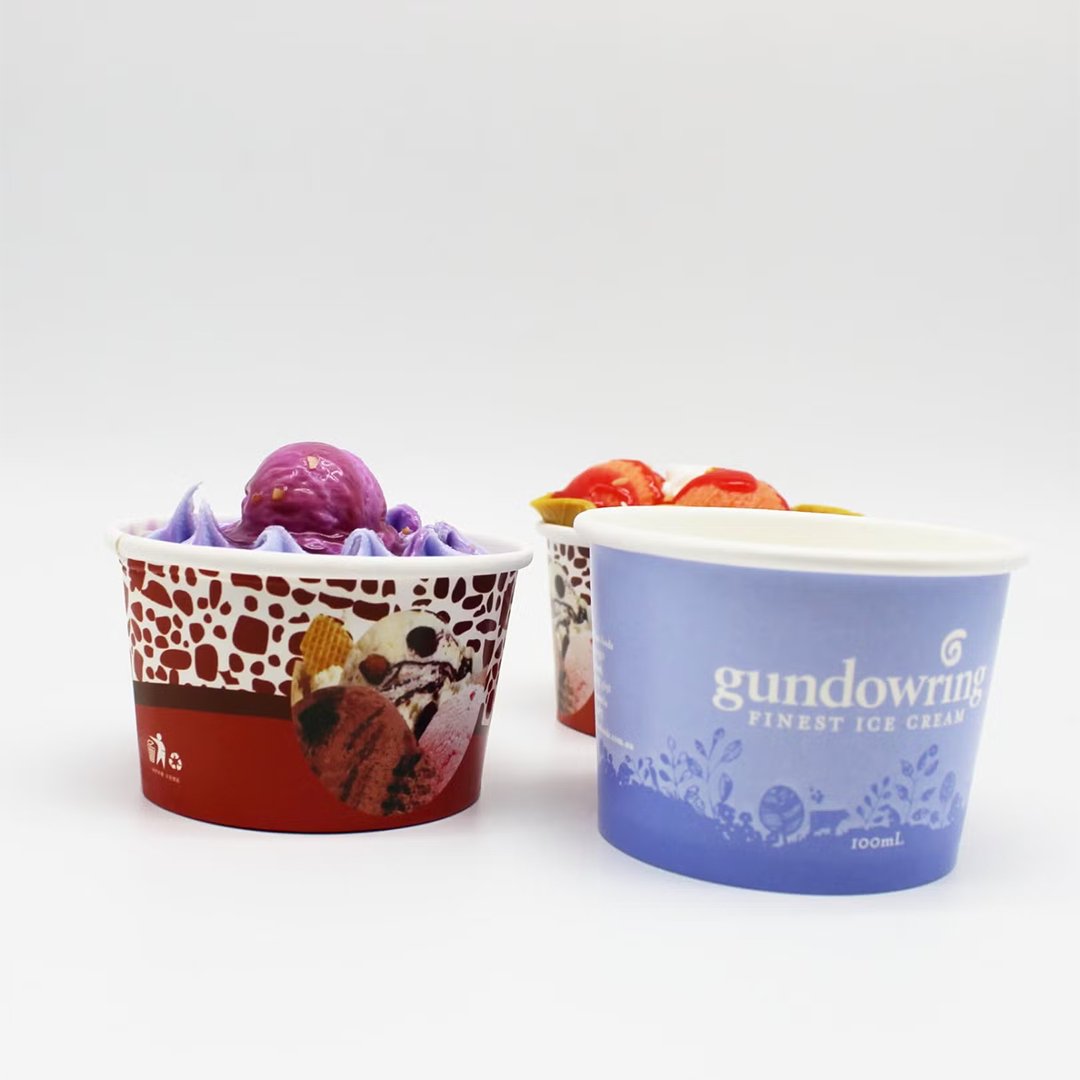
Paper dessert cups are also used for cold and frozen items. Their structure allows them to handle temperature changes without losing form. When used with frozen dessert serving cups, they provide a reliable option for ice cream, gelato, and chilled desserts.
The inner lining helps prevent moisture from weakening the material. This ensures that the cup remains stable even when holding cold or melting products. The outer surface stays comfortable to hold, even when the contents are chilled.
Material Composition And Inner Coating Design
The performance of paper dessert cups depends on how the materials are combined. The outer paperboard provides shape, while the inner coating helps manage moisture. This combination ensures that the cup can hold different types of desserts without losing strength.
The coating is designed to prevent absorption, which helps keep the cup intact. This is especially important for desserts that include sauces, syrups, or creams. By controlling moisture, the cup maintains both structure and appearance throughout use.
Production Steps That Ensure Consistent Output
The manufacturing process includes several stages to ensure that each cup performs as expected. These stages help maintain uniform quality across all units.
Common steps include:
-
Cutting paperboard into blanks
-
Applying inner coating
-
Forming the cup shape
-
Sealing the base
-
Finishing the rim
Each stage is monitored to ensure consistency. This helps prevent issues such as leaks or uneven surfaces.
Material Options Supporting Different Dessert Types
Different materials can be used depending on the intended application. These options help maintain performance while supporting different types of desserts.
-
Standard paperboard for general desserts
-
Coated paper for moisture resistance
-
Food-safe layers for direct contact
-
Reinforced options for heavier fillings
Storage Setup And Handling Efficiency
Proper storage of paper dessert cups helps maintain their structure and cleanliness. Keeping them in a controlled environment ensures that they remain ready for use.
Moisture and temperature can affect the material, so it is important to store cups in dry conditions. The stackable design allows for efficient storage, reducing space requirements.
Storage Methods For Maintaining Product Quality
-
Store in dry areas
-
Avoid direct exposure to moisture
-
Keep in protective packaging
-
Maintain organized stacking
Handling Techniques For Smooth Workflow
Handling practices play a role in maintaining the condition of the cups. Lightweight design makes them easy to transport, while the stackable structure supports quick access.
-
Handle cups carefully to prevent bending.
-
Keep stacks aligned for easy access.
-
Maintain clean storage areas.
-
Avoid overloading stacks.
-
Use protective packaging when needed.
| Feature Focus | Storage Element | Benefit | Suitable For | Notes |
|---|---|---|---|---|
| Environment | Dry storage | Prevents damage | Warehousing | Maintains form |
| Packaging | Protective wrap | Clean handling | Storage | Reduces exposure |
| Organization | Stackable cups | Space saving | Bulk use | Efficient layout |
| Handling | Lightweight | Easy movement | Daily use | Quick access |
| Hygiene | Covered storage | Clean condition | Food use | Safe handling |
Versatility Across Sweet Serving Applications
Paper dessert cups can be used in a wide range of serving environments. Their design supports both simple and complex desserts, making them suitable for different setups.
They can be used for single-layer desserts, mixed ingredients, or layered presentations. The structure helps maintain separation between ingredients, ensuring that the final presentation remains clear.
Adaptability For Different Dessert Styles
These cups can handle a variety of dessert types, including:
-
Cream-based desserts
-
Fruit servings
-
Ice cream
-
Layered parfaits
-
Snack mixes
This versatility allows them to fit into different service styles without requiring changes in handling.
Balanced Design For Presentation And Use
The combination of structure and appearance makes paper dessert cups a practical option for dessert serving. They maintain shape, support portion control, and provide a clean presentation.
Their ability to adapt to different desserts ensures that they remain useful across multiple applications. Whether used for simple servings or more detailed presentations, they provide consistent performance while