


Description
Custom Paper Coffee Cups For Brand Marketing
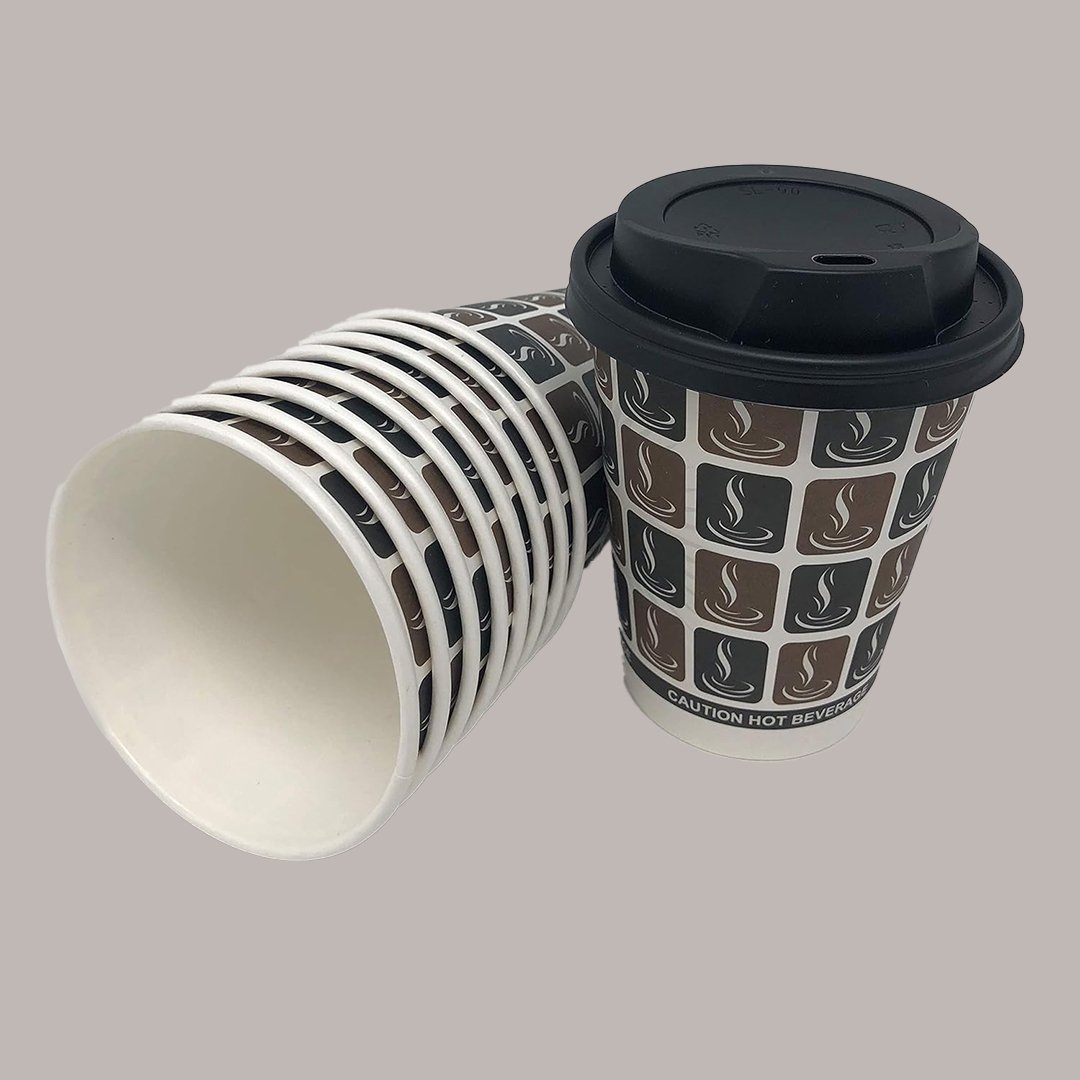
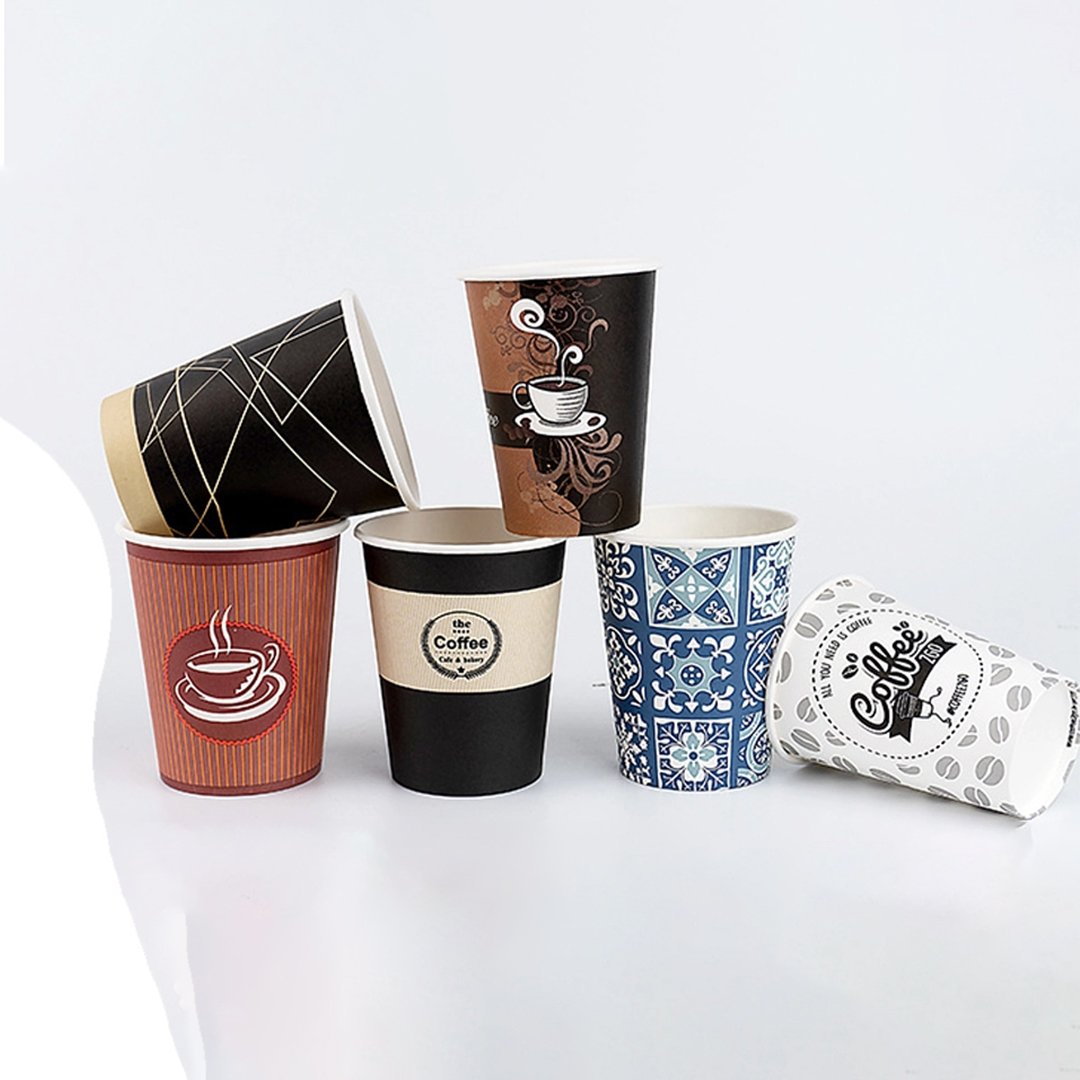
Custom paper coffee cups provide branded beverage serving solutions transforming everyday coffee service into powerful marketing opportunities across cafes, restaurants, offices, and food service operations. These personalized containers accommodate espresso, drip coffee, lattes, cappuccinos, and specialty beverages throughout professional establishments. Businesses rely on custom cups communicating brand identity while delivering quality beverage service. The natural kraft coffee cups market demonstrates how material choices influence both aesthetic appeal and environmental positioning supporting diverse brand strategies.
Professional coffee operations benefit from custom cup versatility serving multiple branding objectives. Morning commuters carry logos through public spaces. Office workers display brands at desks and meetings. Event attendees share distinctive designs on social media. Each branded cup interaction generates marketing impressions supporting business growth through practical customer service creating mobile advertising opportunities.
Measuring Custom Coffee Cup Marketing Value
Custom paper coffee cups serve dual purposes protecting beverages while promoting businesses effectively. Thermal insulation maintains optimal drinking temperatures. Brand messaging communicates identity with every drink served. This combination creates value exceeding simple functional containers transforming cups into walking advertisements generating continuous exposure throughout communities.
Coffee cups work particularly well for businesses serving premium beverages where quality presentation matters. Specialty coffee roasters demonstrate craft through packaging excellence. Boutique cafes create memorable customer experiences. Corporate catering reflects professionalism consistently. Strategic cup design supports positioning across varied market segments.
Key business advantages include:
- Mobile marketing reaching diverse audiences beyond locations
- Professional presentation elevating brand perception significantly
- Cost-effective promotion compared to traditional advertising
- Customer engagement through quality service touchpoints
- Sustainable options supporting environmental brand positioning
| Marketing Benefit | Impact Level | Reach Potential | Cost Efficiency | Brand Recognition | Customer Engagement |
|---|---|---|---|---|---|
| Mobile Advertising | High | Extensive | Excellent | Strong | Moderate |
| Brand Visibility | Very High | Wide | Very Good | Excellent | Good |
| Professional Image | High | Targeted | Good | Very Good | High |
| Social Sharing | Moderate-High | Viral potential | Excellent | Strong | Very High |
| Customer Loyalty | High | Focused | Good | Very Good | Excellent |
Strategic Branding Through Cup Design
Custom cups extend brand presence into daily customer routines creating repeated exposures. Public transportation displays logos to commuters. Workplace meetings showcase brands to professionals. Social gatherings introduce businesses to new audiences. Strategic branding transforms ordinary beverage service into marketing channels generating awareness and recognition.
Effective branding requires coordinating cups with complete marketing programs. Consistent visual identity across touchpoints strengthens recognition. Quality packaging supports premium product perception. Investment in excellent design produces returns through enhanced customer engagement and market differentiation.
Branding strategy elements include:
- Logo prominence ensuring immediate recognition
- Color consistency maintaining brand standards
- Messaging clarity communicating value propositions
- Design excellence creating memorable impressions
- Quality materials suggesting premium positioning
Mobile Advertising Return On Investment
Traditional advertising requires ongoing spending for continued exposure. Custom coffee cups provide extended marketing value throughout cup usage. Single investment generates multiple impressions as customers carry and display branded containers across varied locations and social contexts throughout days and weeks.
Marketing calculations consider impression quantity, audience diversity, and cost per exposure. Custom cups deliver exceptional return compared to paid advertising channels through efficient reach and authentic customer interactions. The printed brand cups approach demonstrates how strategic design choices maximize marketing effectiveness across different business types.
ROI consideration factors include:
- Impression duration throughout cup lifecycle
- Audience reach across varied demographics
- Cost per thousand impressions comparison
- Brand recall strengthening through repetition
- Conversion potential from awareness building
Custom Coffee Cup Coating Options And Linings
Material selection affects both performance and brand perception. Quality materials suggest premium products. Sustainable choices communicate environmental values. Strategic material decisions align packaging with brand positioning and customer expectations supporting successful market positioning.
Single-wall paper cups provide economical solutions for moderate-temperature beverages and brief consumption periods. Standard construction suits room-temperature drinks, iced beverages, and situations where external sleeves provide adequate heat protection. Cost efficiency enables broad distribution supporting high-volume operations prioritizing economics.
Single-wall characteristics include:
- Economical construction minimizing material costs
- Lightweight design reducing shipping expenses
- Adequate strength for standard applications
- Excellent print surface accepting detailed graphics
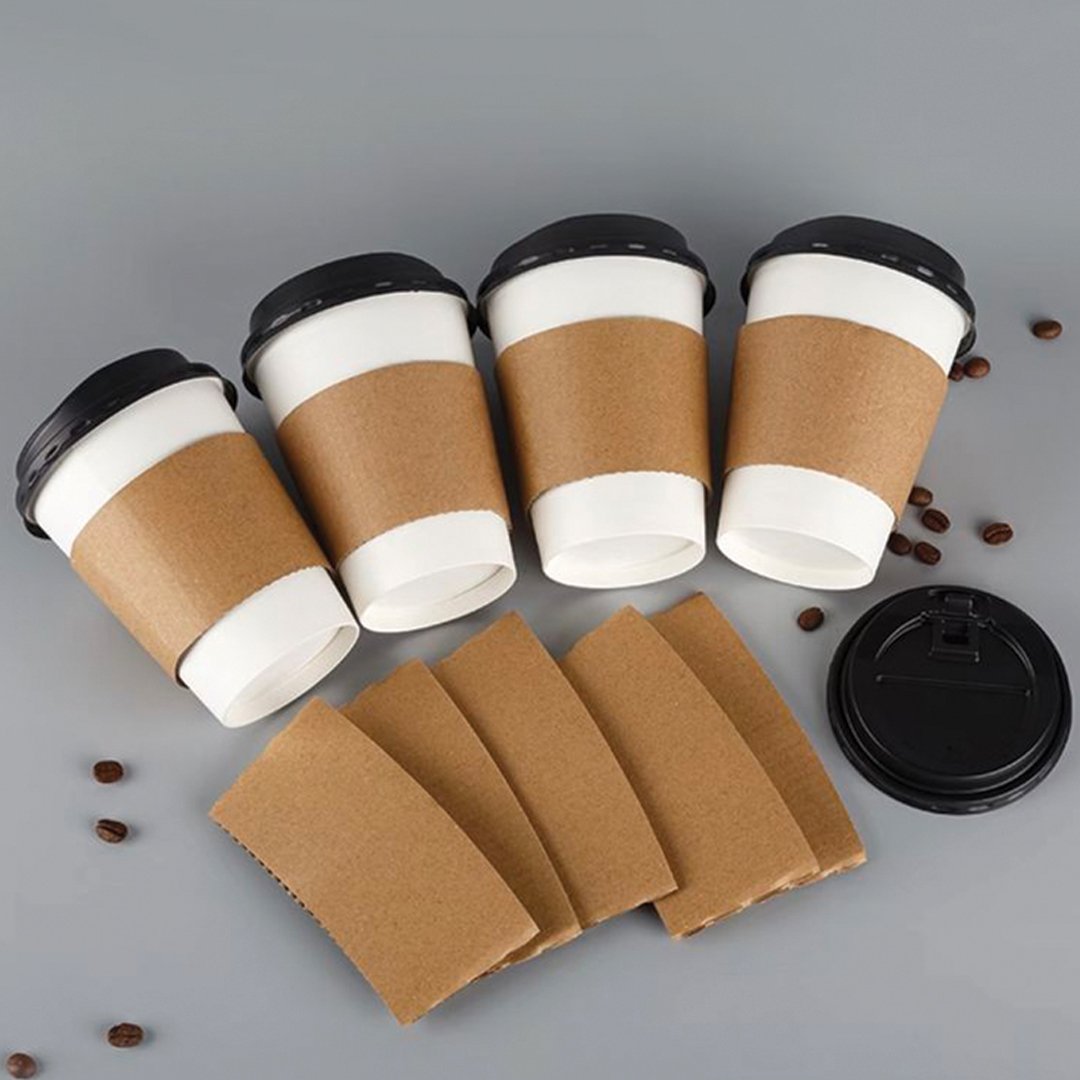
- Compatible with protective drink insulation accessories
Single-wall cups suit businesses serving primarily cold beverages, providing external sleeves, or prioritizing cost efficiency over integrated thermal protection throughout operations.
The Double Wall Insulation Benefits
Double wall construction incorporates two paperboard layers with air gap creating effective thermal barriers. Superior insulation eliminates sleeve requirements. Premium feel justifies specialty beverage pricing. Enhanced structural rigidity maintains shape under stress. Double-wall technology represents significant advancement in disposable cup engineering.
Double wall construction particularly suits specialty coffee programs where customer experience justifies material premiums through enhanced comfort and perceived quality supporting competitive differentiation throughout café beverage packaging where thermal performance directly impacts satisfaction.
Double-wall advantages include:
- Superior thermal protection ensuring comfort
- Sleeve elimination simplifying operations
- Premium quality perception supporting positioning
- Enhanced structural strength preventing collapse
- Professional appearance distinguishing offerings
| Material Type | Insulation Level | Comfort Rating | Operational Efficiency | Cost Position | Best Application |
|---|---|---|---|---|---|
| Single-Wall | Basic | Requires sleeve | Moderate | Economy | Cold drinks, budget |
| Double-Wall | Excellent | Superior | High | Premium | Hot specialty coffee |
| Ripple-Wall | Very Good | Very Good | Good | Mid-premium | Quality programs |
| Triple-Wall | Maximum | Maximum | Moderate | Ultra-premium | Extreme heat |
| Custom | Variable | Optimized | Application-specific | Variable | Unique needs |
Size Range And Application Matching
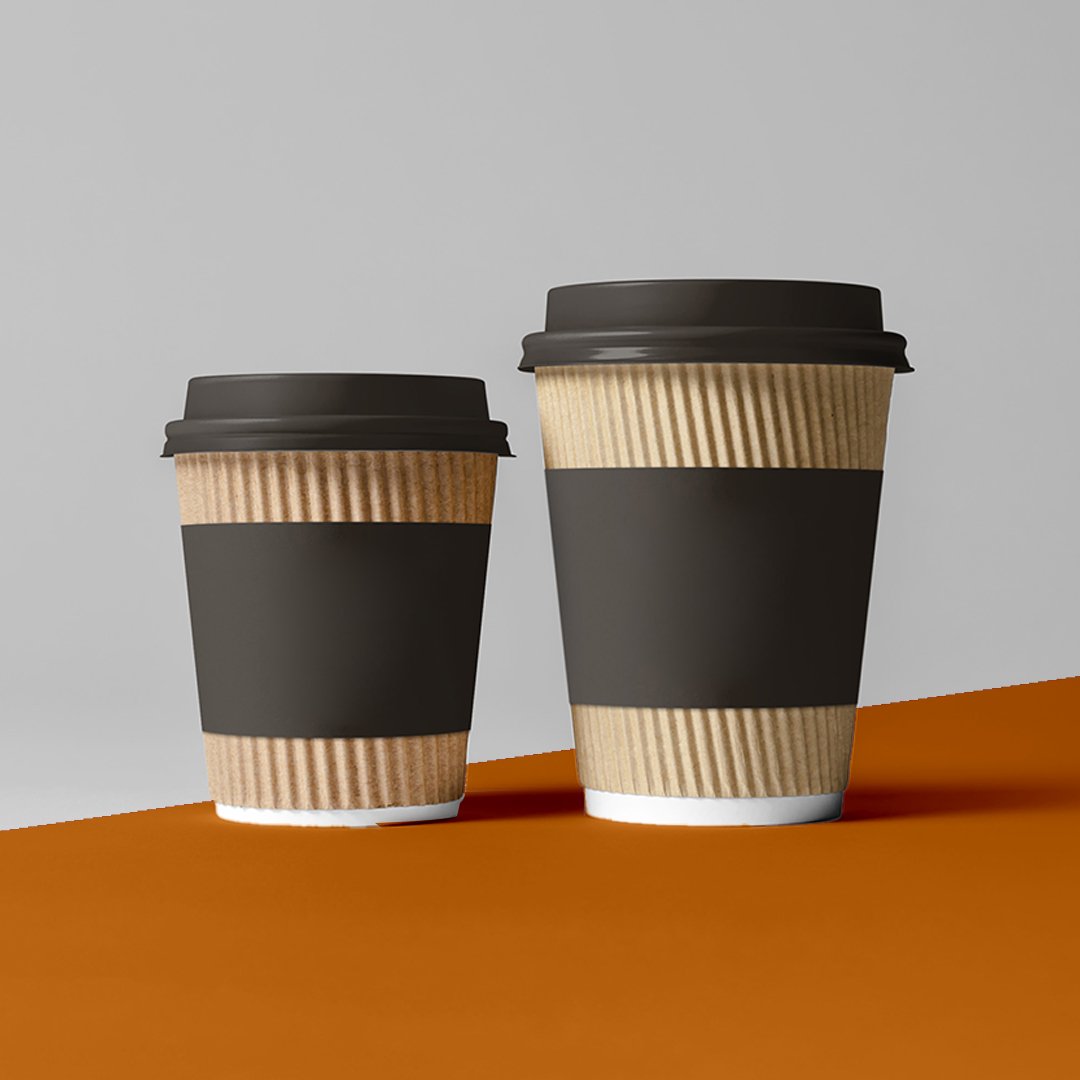
Custom coffee cups span sizes from 4 to 24 ounces serving diverse beverage types and customer preferences. Small formats (4-8 oz) suit espresso and specialty drinks. Medium sizes (12-16 oz) handle standard coffee orders. Large cups (20-24 oz) accommodate generous servings. Comprehensive sizing enables complete menu coverage.
Different sizes serve specific beverage categories and consumption contexts. Four-ounce cups handle espresso and macchiato. Eight-ounce formats accommodate cappuccino and small lattes. Twelve-ounce sizes serve standard coffee. Sixteen-ounce cups provide large servings. Twenty-ounce formats deliver generous portions supporting varied customer preferences.
Size-based usage patterns include:
- 4 oz: Espresso, macchiato, cortado service
- 8 oz: Cappuccino, small lattes, flat white
- 12 oz: Standard drip coffee, americano
- 16 oz: Large lattes, specialty drinks
- 20-24 oz: Generous servings, iced beverages
Size selection affects customer perception and operational economics. Appropriate sizing enhances satisfaction without waste. Strategic matching optimizes both experience and cost efficiency throughout service applications supporting profitability objectives.
Menu Development Sizing Strategy
Size coordination benefits include:
- Simplified customer ordering decisions
- Efficient staff training across sizes
- Streamlined inventory management systems
- Equipment compatibility and efficiency
- Coordinated lid programs reducing complexity
Printing Methods And Design Quality
Professional printing transforms functional cups into brand ambassadors. Multiple printing technologies accommodate different design requirements, order quantities, and budget parameters. Quality printing directly impacts brand perception and marketing effectiveness supporting business objectives.
Digital printing enables full-color reproduction without setup costs or quantity restrictions. Quick turnaround supports tight timelines. Design flexibility allows variations within single orders. Photographic quality reproduces complex imagery accurately. Technology particularly benefits small businesses testing designs and seasonal programs.
Digital printing benefits include:
- No setup fees enabling economical runs
- Full-color capability without restrictions
- Variable data printing for personalization
- Quick production supporting urgent needs
- Design testing before large commitments
Digital technology democratizes premium printing previously requiring huge minimums. Independent cafes access quality formerly limited to major chains. Testing becomes affordable before significant investments.
| Printing Method | Minimum Quantity | Color Options | Setup Cost | Turnaround Time | Best Applications |
|---|---|---|---|---|---|
| Digital | 100+ units | Unlimited CMYK | None | 5-7 days | Small batches, testing |
| Offset | 1,000+ units | CMYK + Pantone | Moderate | 7-10 days | Large volumes, consistency |
| Flexographic | 5,000+ units | 1-4 colors | Higher | 10-14 days | High-volume production |
| Screen | 500+ units | 1-3 colors | Moderate | 8-10 days | Simple bold designs |
| Hot Stamp | 1,000+ units | Metallic only | Higher | 10-12 days | Premium accents |
Offset Printing For Volume Production
Offset printing delivers superior color accuracy and consistency across large production runs. Pantone color matching ensures exact brand color reproduction. Sharp detail maintains clarity. Cost efficiency at volume makes offset ideal for established programs with predictable ongoing needs supporting operational consistency.
Offset printing suits businesses with established branding requiring consistent color reproduction, high-volume operations achieving economies of scale, or brands demanding maximum print quality supporting premium positioning.
Offset printing characteristics include:
- Superior color accuracy maintaining standards
- Pantone matching ensuring brand precision
- Sharp detail reproduction and clarity
- Cost efficiency at volume quantities
- Consistent quality across production runs
Premium Finishing Techniques Available
Specialty finishing creates distinctive appearances elevating perceived value and competitive differentiation. Gloss coating enhances color vibrancy. Matte finish provides sophisticated elegance. Spot UV coating selectively highlights design elements. Premium finishing justifies through enhanced brand perception.
Premium finishing options include:
- Gloss coating for vibrant reflective appearance
- Matte coating for refined sophistication
- Spot UV creating selective glossy highlights
- Soft-touch coating for premium tactile feel
- Embossing producing dimensional branding elements
Sustainability And Environmental Responsibility
Sustainable material features include:
- Renewable paperboard from managed forests
- FSC certification ensuring responsibility
- Recyclable construction enabling recovery
- Bio-based coating options reducing petroleum
- Minimal processing lowering environmental impact
Disposal And Recovery Programs
Clean paper cups recycle through municipal programs when properly separated. Compostable alternatives enable organic waste processing. End-of-life planning completes sustainability programs. Comprehensive approaches demonstrate environmental leadership supporting market positioning.
Environmental communication builds customer trust. Clear sustainability messaging educates consumers. Certifications validate claims. Transparency demonstrates genuine commitment supporting brand differentiation among conscious consumers.
Disposal optimization strategies include:
- Clear recycling instructions for customers
- Separation systems in serving areas
- Compostable options when infrastructure exists
- Educational signage guiding behavior
- Recovery partnerships maximizing diversion
Operational Implementation Strategies
Successfully implementing custom cup programs requires design development, supplier selection, inventory planning, and staff training. Strategic approaches ensure optimal results matching capabilities with expectations supporting business success.
Professional design transforms ideas into effective cup graphics. Logo optimization ensures clarity at small scale. Color selection maintains brand consistency. Layout maximizes limited surface area. Design excellence directly impacts marketing effectiveness.
Design development steps include:
- Brand guideline review ensuring consistency
- Concept development exploring approaches
- Digital proof creation for approval
- Revision incorporation addressing feedback
- Final file preparation for production
Inventory Planning And Management
Effective inventory systems maintain adequate cup availability without excessive capital investment. Usage forecasting guides order quantities. Seasonal variations affect demand patterns. Strategic planning optimizes inventory investment.
Free design consultation supports businesses lacking internal design resources. Professional designers understand cup printing requirements. Collaborative processes ensure satisfaction supporting successful implementation.
Inventory optimization factors include:
- Historical consumption data and trends
- Seasonal demand fluctuations requiring adjustment
- Storage capacity constraints and limitations
- Supplier lead times affecting reorders
- Economic order quantities balancing costs
Automated systems maintain optimal stock levels. Reorder triggers prevent stockouts. Supplier partnerships ensure reliable availability supporting operational continuity.