


Description
Paper Cups With Lids Complete Serving System
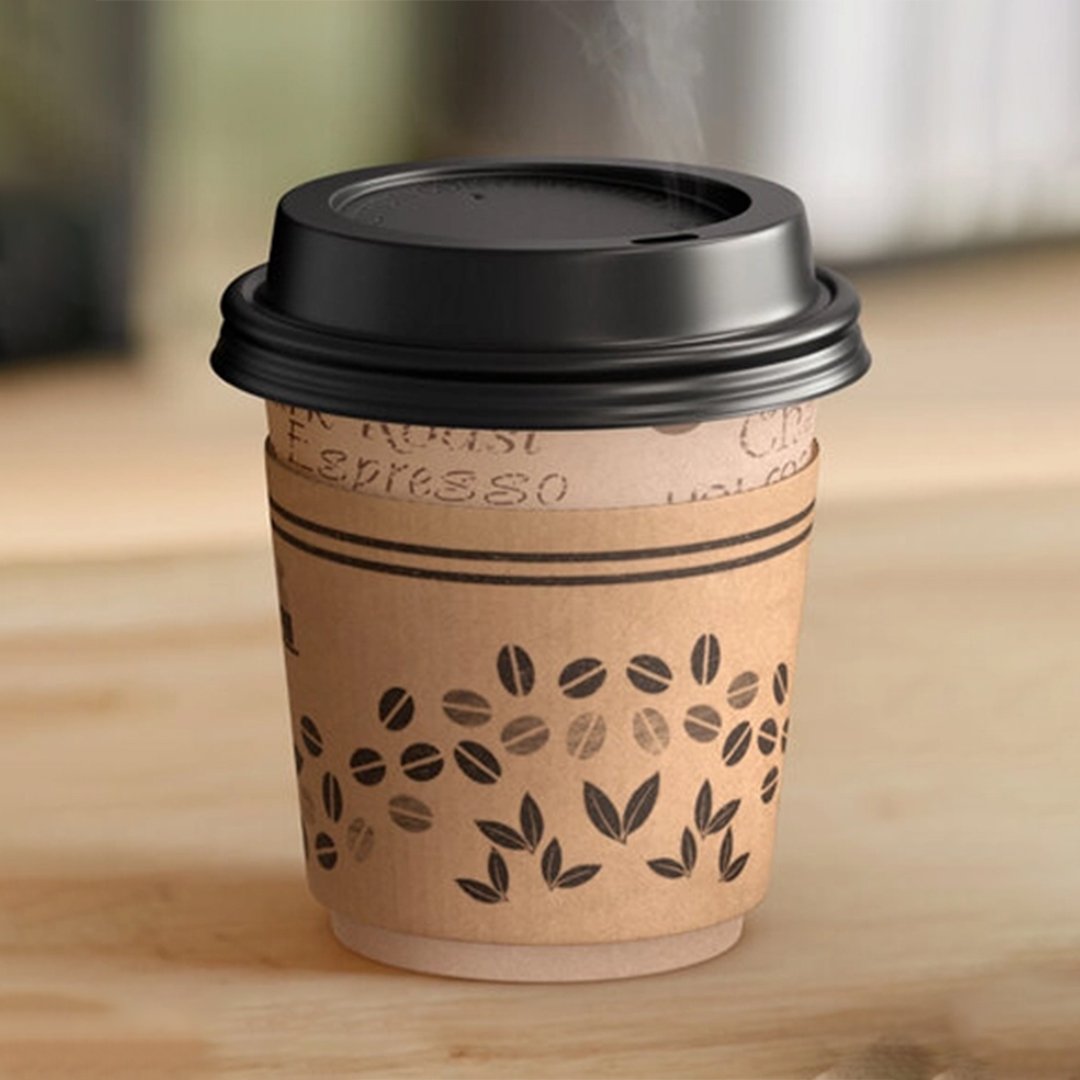
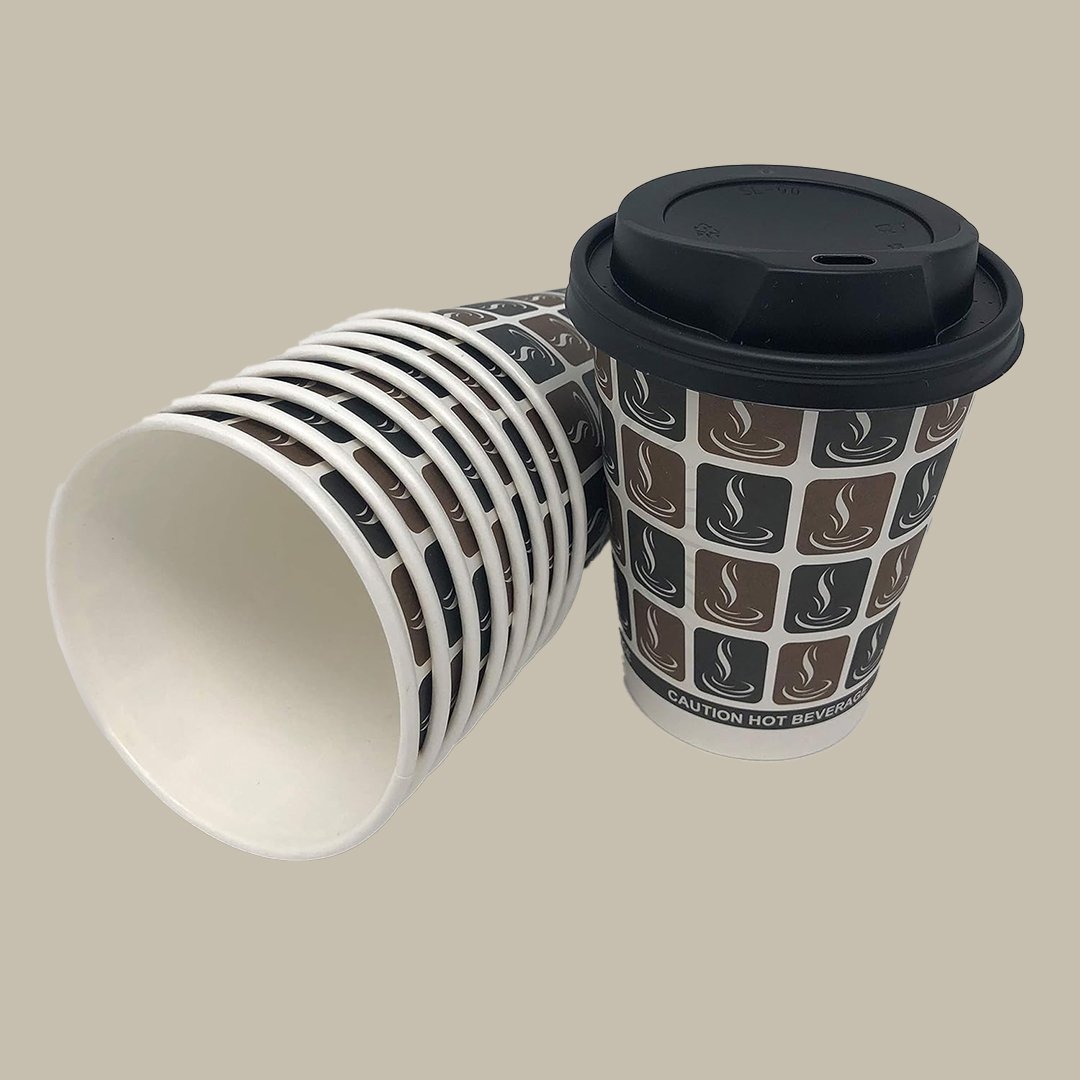
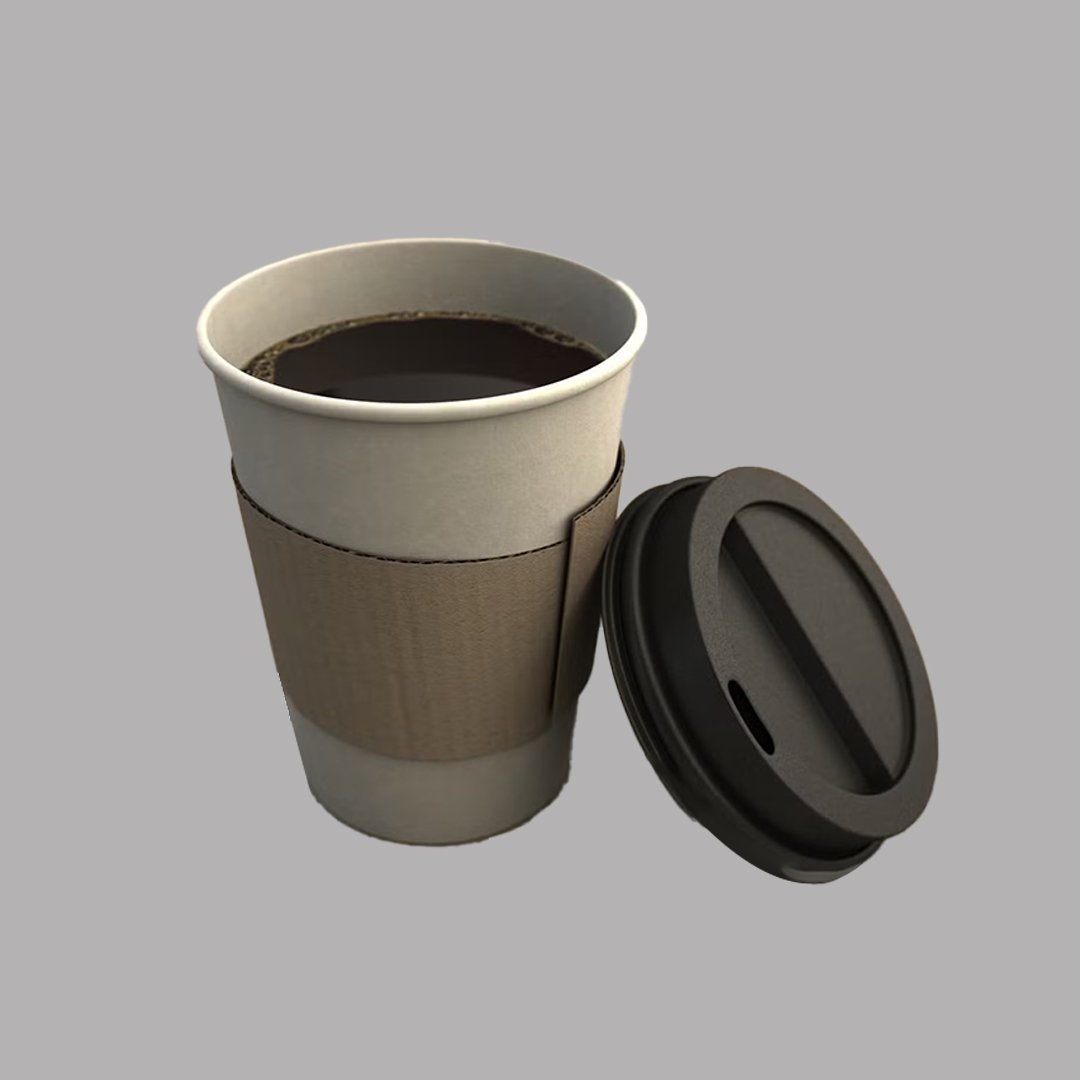
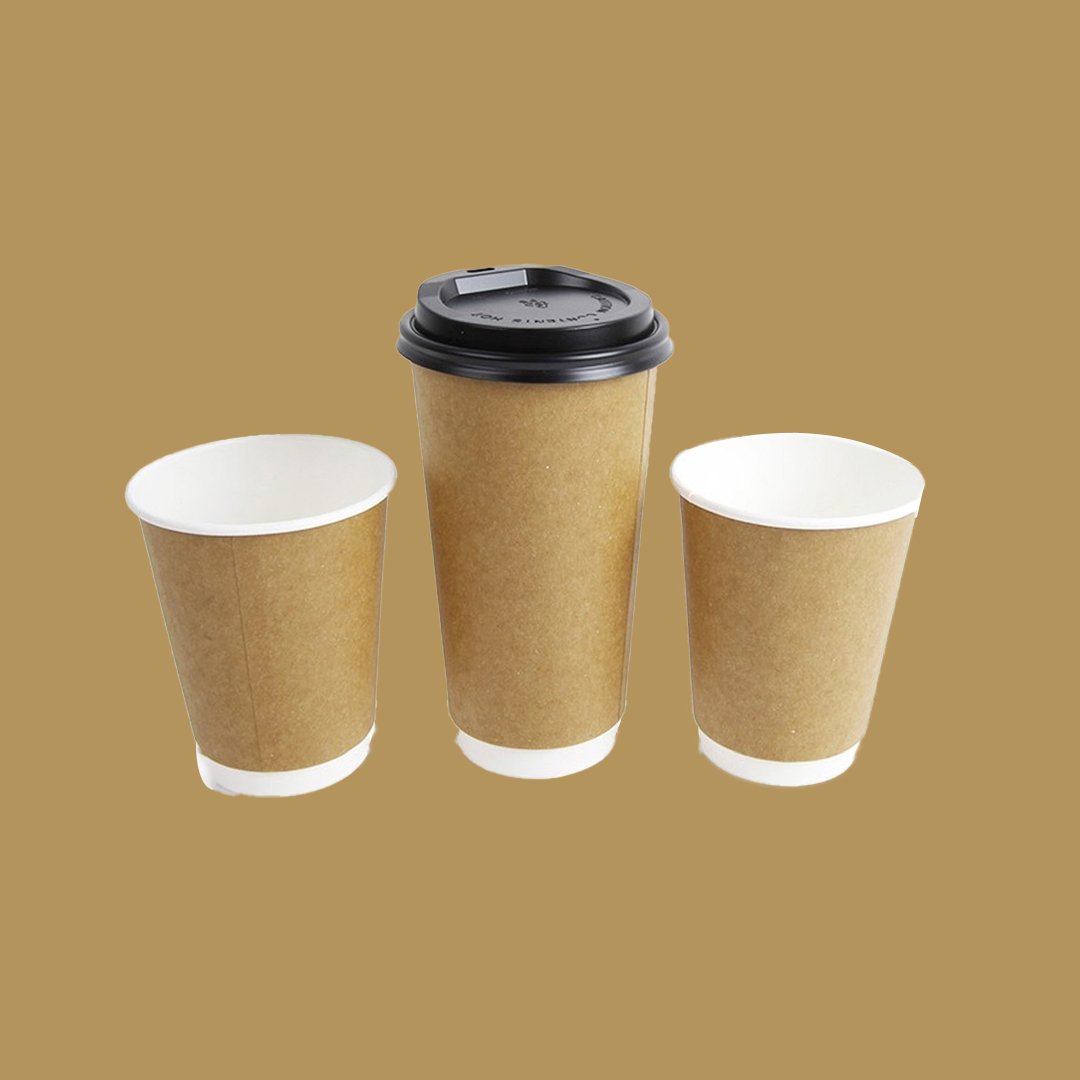
Paper cups with lids provide integrated beverage containment solutions combining reliable sealing with portable convenience across professional food service environments. These matched systems accommodate hot coffee, cold drinks, smoothies, and specialty beverages throughout cafes, restaurants, convenience stores, and catering operations. Professional establishments rely on complete cup-lid systems preventing spills while maintaining beverage temperatures during transport and mobile consumption. The frozen dessert packaging industry demonstrates how coordinated container-closure systems support product integrity and customer satisfaction throughout diverse serving applications where secure sealing remains essential.
Complete cup-lid system adoption continues growing as mobile consumption dominates beverage markets and customer expectations demand reliable sealing. Commuting lifestyles favor portable drinks. Remote work increases takeaway demand. Delivery platforms require secure packaging. Understanding market dynamics helps businesses capitalize on lidded cup opportunities through strategic program development.
Understanding Complete System Integration
Paper cups with lids require precise engineering ensuring reliable sealing across temperature ranges and handling conditions. Rim diameter matching creates secure attachment preventing separation during transport. Material compatibility prevents seal failure under thermal stress. Structural design accommodates various lid styles supporting diverse beverage applications. System excellence affects both functionality and customer satisfaction throughout professional service where sealing reliability directly impacts brand reputation and repeat business.
Customer experience depends heavily on lid performance and application ease. Difficult attachment frustrates staff during rushes creating service delays. Poor sealing causes spills damaging customer belongings and vehicles. Uncomfortable drinking experiences disappoint consumers expecting convenient consumption. Proper system design eliminates these issues through engineering excellence and manufacturing precision supporting operational success.
| System Component | Basic Integration | Standard Match | Premium System | Advanced Engineering | Custom Solutions |
|---|---|---|---|---|---|
| Cup Rim Design | Standard forming | Precision profile | Enhanced sealing | Multiple seal points | Engineered custom |
| Lid Compatibility | Adequate fit | Secure attachment | Tight seal | Pressure-locked | Perfect integration |
| Seal Integrity | Basic | Good | Excellent | Superior | Maximum |
| Temperature Range | Limited | Good | Excellent | Maximum | Application-specific |
| Ease of Use | Moderate | Good | Easy | Intuitive | Optimized |
Rim Engineering For Reliable Sealing
Cup rim quality determines lid attachment security and overall sealing effectiveness preventing beverage loss during transport. Precision forming creates consistent sealing surfaces enabling reliable lid contact. Uniform thickness prevents weak points that compromise seal integrity. Proper diameter ensures lid compatibility across production batches. Manufacturing standards maintain consistency supporting dependable performance throughout coffee takeaway lids applications where dimensional accuracy directly influences sealing success.
Quality rim formation requires advanced manufacturing equipment and rigorous process control throughout production cycles. Variations cause sealing failures affecting customer satisfaction. Dimensional inconsistencies create fit problems generating complaints. Investment in precision manufacturing ensures reliable performance supporting brand reputation.
Rim quality factors include:
- Precision diameter matching lid requirements exactly
- Uniform thickness preventing deformation under stress
- Smooth surface enabling complete contact areas
- Structural strength resisting crushing during handling
- Consistent formation across entire production runs
Lid Design Compatibility Engineering
Lid designs must match cup rim configurations creating effective seals preventing spills during normal handling and transport. Snap-fit mechanisms require precise dimensional relationships ensuring secure attachment. Flex patterns accommodate minor material variations without compromising seal integrity. Sealing ribs create compression contact maximizing leak prevention. Design engineering balances secure attachment with easy customer removal supporting both operational efficiency and user convenience throughout lid compatible cups where system coordination determines overall performance.
Engineering optimization balances multiple competing requirements. Overly tight lids frustrate customers attempting removal. Loose attachment causes dangerous spills. Proper design achieves optimal balance supporting reliable performance across varied usage conditions and consumer demographics.
Lid design elements include:
- Snap-fit features providing secure attachment strength
- Flex zones accommodating dimensional variations naturally
- Sealing ribs creating reliable compression contact
- Tear strips enabling controlled opening access
- Drinking openings facilitating convenient consumption
Lid Style Options And Applications
Various lid styles serve different beverage types and consumption preferences enabling complete menu coverage. Flat lids provide economical coverage. Dome lids accommodate foam and toppings. Sip lids enable direct drinking convenience. Straw-slot designs support cold beverages. Each style offers distinct advantages regarding functionality, presentation, and customer experience throughout diverse service applications.
Flat lids deliver cost effective coverage for standard beverages without foam or elaborate toppings requiring minimal headspace. Simple construction minimizes material costs supporting budget-conscious operations. Stackable design enables efficient storage maximizing limited space. Adequate venting prevents pressure buildup avoiding lid separation. Applications include basic coffee service, tea programs, and high-volume operations prioritizing cost efficiency.
Flat lid characteristics include:
- Economical construction reducing per-unit costs
- Stackable design maximizing storage efficiency
- Basic venting preventing vacuum formation
- Simple functionality for standard drinks
- Wide compatibility across cup sizes
Flat lids suit high-volume operations where cost efficiency outweighs premium presentation requirements. Fast-casual restaurants, convenience stores, and institutional food service all benefit from economical flat lid solutions supporting profitability objectives.
| Lid Type | Structure Design | Best Applications | Key Advantages | Customer Experience | Cost Position |
|---|---|---|---|---|---|
| Flat | Single layer | Standard coffee/tea | Economy, efficiency | Basic functionality | Lowest |
| Dome | Raised center | Specialty drinks | Topping space | Premium appearance | Moderate |
| Sip | Drinking opening | Hot beverages | Direct consumption | Convenience | Moderate |
| Straw-Slot | Straw insertion | Cold drinks | Easy straw use | Functional | Moderate |
| Reclosable | Multiple opening | Extended use | Resealability | Maximum convenience | Higher |
Dome Lid Premium Presentation
Dome lids feature raised centers accommodating whipped cream, foam, and decorative toppings without crushing delicate presentations. Enhanced headspace preserves artistic latte art and specialty drink aesthetics. Premium appearance supports upscale beverage positioning. Clear material enables product visibility showcasing quality ingredients. Dome construction particularly suits coffee shops emphasizing presentation quality and beverage artistry.
Dome lid advantages include:
- Generous headspace protecting toppings and foam
- Product visibility through transparent materials
- Premium appearance supporting quality positioning
- Artistic presentation preservation maintaining aesthetics
- Enhanced customer appeal generating satisfaction
Specialty coffee operations benefit substantially from dome lids where presentation quality differentiates premium programs. Customer appreciation for attention to detail strengthens brand loyalty. Visual appeal generates social media sharing amplifying marketing reach.
Material Construction And Performance
Paper cups combined with appropriate lid materials create complete systems balancing thermal protection, structural integrity, and sealing reliability. Cup paperboard ranges from 250-350 GSM depending on capacity and construction method. Lid materials include polystyrene, polypropylene, and bio-based alternatives. Material compatibility ensures reliable sealing across temperature ranges supporting diverse beverage applications throughout beverage cups where material excellence directly influences system performance.
Effective cup materials support both thermal performance and structural integrity under liquid weight and handling stress. Double-wall construction provides superior insulation protecting hands from heat. Heavy paperboard maintains shape under pressure. Quality coating prevents moisture penetration maintaining structural integrity. Material excellence directly affects system reliability and customer satisfaction throughout professional beverage service.
Cup material performance characteristics include:
- Structural strength supporting substantial liquid weight
- Thermal insulation protecting hands from heat
- Moisture barriers preventing liquid penetration
- Rim integrity maintaining consistent seal surfaces
- Print quality enabling attractive branding graphics
Material testing validates performance under operational conditions. Strength testing confirms capacity support without failure. Thermal analysis measures insulation effectiveness. Moisture testing verifies coating integrity. Comprehensive validation ensures reliable service supporting customer expectations.
Lid Material Technologies For Secure Sealing Fit
Lid materials must provide flexibility for sealing while maintaining structural integrity during handling and transport. Polystyrene offers clarity and cost economy. Polypropylene delivers enhanced heat resistance. PLA bio-based materials support environmental sustainability. Material selection balances performance requirements with environmental considerations and cost parameters.
Lid material characteristics include:
- Flexibility enabling secure sealing attachment
- Structural strength preventing crushing damage
- Temperature stability across beverage ranges
- Clarity options for product visibility
- Environmental compatibility supporting goals
Material innovation continues advancing lid technology. Bio-based alternatives reduce petroleum dependency. Enhanced formulations improve performance. Sustainability drives material development supporting environmental objectives while maintaining functional requirements.
| Material Type | Temperature Range | Clarity Level | Flexibility | Environmental Impact | Primary Application |
|---|---|---|---|---|---|
| Polystyrene | Cold to 180°F | Excellent | Good | Moderate recyclability | General purpose use |
| Polypropylene | Cold to 200°F | Good | Very good | Good recyclability | Hot beverage service |
| PLA Bio-based | Cold to 140°F | Excellent | Moderate | Compostable | Eco-programs |
| CPET | Cold to 220°F | Moderate | Good | Recyclable | Premium hot drinks |
| Hybrid | Variable range | Variable | Optimized | Improved profile | Specialized needs |
Size Coordination Across Product Lines
Complete cup-lid programs require coordinated sizing across beverage menu requirements. Small formats (8-12 oz) serve espresso and standard drinks. Medium sizes (16 oz) handle large beverages. Extra-large cups (20-24 oz) accommodate generous servings. Lid compatibility across size ranges simplifies inventory and staff training supporting operational efficiency.
Industry-standard cup sizes enable lid compatibility across multiple suppliers and products. Common diameters (80mm, 90mm, 95mm) facilitate lid interchangeability. Standardization simplifies procurement and inventory management. Operations benefit from flexibility sourcing cups and lids separately while maintaining reliable compatibility supporting supply chain resilience.
Standard sizing advantages include:
- Supplier flexibility through compatibility
- Inventory simplification across products
- Staff training consistency
- Equipment compatibility maintained
- Operational efficiency improved
Standardization particularly benefits multi-location operations. Centralized purchasing achieves economies of scale. Simplified training transfers across locations. Equipment investments apply broadly supporting expansion.
| Size Range | Cup Capacity | Rim Diameter | Common Applications | Lid Style Options | Daily Volume Use |
|---|---|---|---|---|---|
| Small | 8-12 oz | 80-90mm | Coffee, tea, kids drinks | Flat, dome, sip | High |
| Medium | 12-16 oz | 90mm | Standard drinks, lattes | All types | Highest |
| Large | 16-20 oz | 90-95mm | Large servings, smoothies | Dome, straw-slot | Moderate-High |
| Extra Large | 20-24 oz | 95mm | Generous portions, iced | Dome, straw-slot | Moderate |
| Custom | Variable | Non-standard | Signature beverages | Matched design | Low |
Menu Development Size Strategy For Cup Ranges
Beverage programs benefit from comprehensive size variety accommodating different drink types and consumption occasions. Small sizes serve concentrated beverages. Medium formats handle standard orders. Large cups support generous servings. Strategic size selection enables complete menu coverage while maintaining operational practicality.
Menu-size coordination benefits include:
- Complete menu accommodation across sizes
- Customer choice supporting satisfaction
- Upselling opportunities through progression
- Operational efficiency through standardization
- Inventory simplification despite variety
Size standardization supports operational excellence. Equipment compatibility ensures smooth integration. Staff training remains consistent. Coordinated programs maintain efficiency.
The Storage And Inventory Management
Coordinated cup-lid programs require comprehensive inventory management maintaining adequate availability without excessive capital investment. Usage forecasting guides ordering quantities. Storage allocation balances cups and lids proportionally. Organized systems enable efficient access. Proper management ensures service continuity throughout operational demands.
Storing cups with matching lids requires strategic organization maximizing efficiency. Proximity enables quick pairing during service rushes. Clear labeling prevents size mismatching. FIFO rotation maintains product freshness. Protected storage prevents damage. Systematic approaches support operational efficiency during busy periods.
Storage organization approaches include:
- Grouped storage of matched cup-lid pairs
- Clear labeling indicating size and type
- FIFO systems using oldest inventory first
- Protected shelving preventing crushing damage
- Usage-point proximity reducing staff movement
Efficient organization particularly benefits high-volume operations. Reduced staff movement increases productivity. Clear systems prevent costly errors. Proper storage protects product quality maintaining performance standards.
Forecasting And Ordering Optimization
Accurate forecasting prevents both stockouts and excess inventory. Historical data guides projections. Seasonal patterns require adjustments. Growth trends influence quantities. Supplier lead times affect timing. Strategic planning optimizes inventory investment supporting operational needs without tying up excessive capital.
Forecasting considerations include:
- Historical consumption patterns and trends
- Seasonal variations requiring inventory adjustment
- Promotional activities increasing temporary demand
- Growth projections for expanding operations
- Supplier reliability and lead time consistency
Automated systems maintain optimal inventory levels. Reorder triggers prevent stockouts. Supplier partnerships ensure reliable delivery. Comprehensive management balances availability with cost efficiency.
Environmental Sustainability Considerations
Cup-lid systems increasingly incorporate sustainable materials addressing environmental concerns and meeting customer expectations. Recyclable cup materials support circular economy participation. Bio-based lid alternatives reduce petroleum dependency. Compostable systems enable organic waste processing. Comprehensive sustainability supports environmental brand positioning throughout spill safe cups where responsible material choices influence customer perception.
Paper cup recyclability provides inherent environmental advantages. Bio-based lid materials derive from renewable resources. Compostable systems break down in commercial facilities. Recycled content reduces virgin material consumption. Sustainable choices support environmental objectives while maintaining functional performance requirements.
Sustainable system options include:
- FSC-certified cup paperboard from managed forests
- PLA lids from plant-based renewable materials
- Recyclable polypropylene accepted municipally
- Post-consumer recycled content in cups
- Compostable complete systems for zero-waste programs
Clear sustainability communication builds customer trust and loyalty. Disposal instructions guide proper recycling behavior. Environmental certifications validate claims preventing greenwashing. Transparency demonstrates genuine commitment supporting brand differentiation.
Complete environmental evaluation considers manufacturing, distribution, use, and disposal phases. Energy consumption, emissions, and waste generation all contribute to total environmental impact. Optimization requires comprehensive assessment rather than single-factor focus. Responsible approaches balance environmental goals with functional requirements.
Lifecycle optimization strategies include:
- Lightweight designs minimizing material consumption
- Local sourcing reducing transportation emissions
- Efficient manufacturing lowering energy use
- Recyclable materials enabling recovery systems
- Clear disposal guidance supporting proper handling
Third-party certifications validate environmental performance claims. Carbon footprint analysis quantifies actual impact. Renewable energy usage reduces emissions. Comprehensive approaches demonstrate environmental leadership supporting market positioning.
cial risk or storage burden through accessible implementation.