

Description
Versatile Paper Sauce Cups For Condiment Service
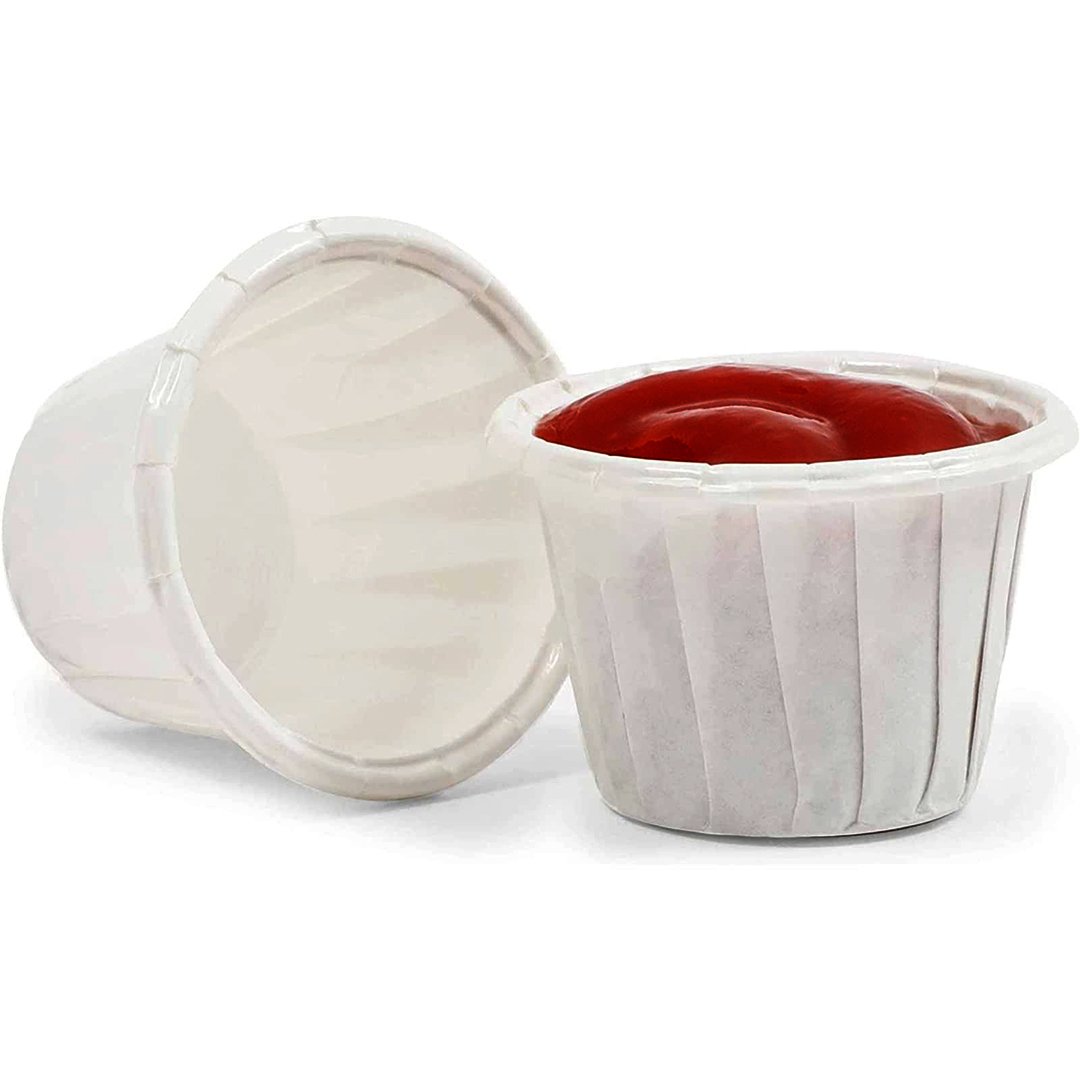
Paper sauce cups provide convenient single-serving containers for condiments, dressings, and sauces in food service operations. These disposable cups enable portion control while maintaining hygiene standards throughout restaurants, fast-casual dining, food trucks, and catering services. Small containers accommodate ketchup, mustard, mayo, salad dressings, and specialty sauces allowing customers to enjoy condiments without cross-contamination concerns. Professional food establishments rely on sauce cups delivering efficient service while controlling costs through precise portioning.
Food service businesses benefit from sauce cups reducing waste and maintaining consistent portion sizes. Customer satisfaction improves when condiments arrive in clean, dedicated containers rather than messy packets or shared dispensers. Brand presentation elevates through quality packaging choices supporting overall dining experience perception. Our 100-unit minimum orders make professional sauce cup service accessible to operations of all sizes from independent eateries to expanding restaurant groups.
Understanding Specialized Sauce Cup Functionality
Different sauce types require appropriate cup characteristics. Thick condiments like mayo or aioli need wider openings facilitating scooping. Thin dressings benefit from deeper cups preventing spillage. Hot sauces demand heat-resistant materials. Understanding these requirements guides optimal cup selection matching specific menu applications and service styles throughout portioned food containers systems where consistent sizing supports operational efficiency.
Sauce cups serve multiple critical functions beyond simple containment. Portion control prevents excessive condiment usage reducing food costs. Hygiene barriers eliminate shared containers preventing contamination. Convenience enables takeaway service where customers transport condiments safely. Stacking efficiency maximizes limited storage space in commercial kitchens.
Portion control advantages include:
- Reduced condiment waste through precise dispensing
- Consistent customer experience across all orders
- Lower food costs through controlled usage
- Simplified inventory management with predictable consumption
- Staff efficiency eliminating individual portion judgment
- Menu pricing accuracy based on known costs
Typical sauce cup sizes range from 0.5 oz to 4 oz. Small cups (0.5-1 oz) suit individual dipping. Medium sizes (1.5-2 oz) handle side portions. Large cups (3-4 oz) accommodate generous servings or shareable portions.
| Cup Size | Typical Use | Cost Per Serving | Best Application |
|---|---|---|---|
| 0.5 oz | Single dip | Lowest | Ketchup, mustard |
| 1 oz | Individual sauce | Low | Mayo, ranch, BBQ |
| 2 oz | Side portion | Moderate | Salad dressing, salsa |
| 3-4 oz | Large serving | Higher | Shared dips, soup samples |
Hygiene And Safety Standards For Clean Handling
Hygiene considerations drive sauce cup adoption in professional food service. Individual portions eliminate shared containers where multiple customers dip items creating contamination risks. Sealed presentation maintains product integrity from kitchen to customer. Food safety standards increasingly mandate single-serve condiment delivery.
Hygiene benefits include:
- Individual servings preventing cross-contamination
- Sealed containers maintaining cleanliness
- Clear visibility showing product condition
- Tamper-evident presentation ensuring safety
- Disposable design eliminating washing requirements
- Sanitary handling throughout service process
Health inspections favor single-serve systems over bulk dispensers. Customer perception associates individual portions with higher hygiene standards. Modern food safety culture demands contamination prevention at every service touchpoint.
Material Options And Features Options
Coating applications enhance paper performance. Polyethylene lining prevents moisture penetration. Wax coatings offer traditional waterproofing. Bio-based coatings provide sustainable alternatives. Each coating type delivers specific benefits regarding moisture resistance, temperature tolerance, and environmental considerations. The dessert serving cups utilize similar coating technologies where moisture barriers protect contents while maintaining paper base sustainability.
Paper cups utilize food-grade paperboard in various weights. Lightweight stocks (150-200 GSM) suit cold condiments. Medium weights (200-250 GSM) handle most applications. Heavy-duty options (250-300 GSM) support hot sauces or extended holding times maintaining structural integrity throughout service periods.
Paper material characteristics include:
- Food-safe paperboard meeting regulatory standards
- Various weights balancing cost and performance
- White or natural kraft appearance options
- Coating compatibility for moisture resistance
- Sustainable sourcing from certified forests
- Recyclability in appropriate waste streams
Coating technology options include:
- PE coating for maximum moisture barriers
- Wax coating for traditional waterproofing
- PLA coating from plant-based materials
- Grease-resistant treatments for oil-based products
- Heat-resistant coatings for hot applications
- Antimicrobial additives reducing contamination
Material selection should match specific condiment characteristics and service requirements. Oil-based dressings need grease resistance. Hot cheese sauces require heat tolerance. Acidic products like vinaigrettes demand chemical resistance preventing coating breakdown.
Size Selection And Volume Considerations
Appropriate sizing matches portion requirements with cost efficiency. Oversized cups waste material. Undersized options frustrate customers. Strategic size selection optimizes both customer satisfaction and operational economics through careful menu analysis.
Fill levels affect both appearance and functionality. Cups filled to 80-90% capacity appear generous without spillage risks. Overfilling creates mess and waste. Underfilling disappoints customers expecting full portions. Understanding snack packaging cups sizing helps operators coordinate container families across menu categories.
Industry-standard sizes accommodate typical condiment portions. Half-ounce cups suit ketchup packets replacement. One ounce portions handle individual sauce servings. Two-ounce cups provide side dressings. Larger formats serve shareable dips or generous portions.
Standard sizing applications include:
- 0.5 oz: Fast food condiment replacement
- 1 oz: Individual sauce portions for entrees
- 1.5 oz: Generous individual or light side servings
- 2 oz: Standard side portions or small dips
- 3 oz: Large individual or small shared servings
- 4 oz: Generous shared dips or soup samples
Custom sizing considerations include:
- Menu-specific portion requirements
- Cost optimization through exact matching
- Brand differentiation via unique sizes
- Signature sauce portion consistency
- Competitive positioning through generous servings
- Inventory simplification reducing SKU counts
Custom sizing typically requires 1,000+ unit minimums justifying die creation costs. Operations ordering sufficient volumes benefit from perfect portion matching and potential cost savings through optimized material usage.
| Customization | Minimum Order | Development Cost | Lead Time | Best For |
|---|---|---|---|---|
| Standard Size | 100 units | None | 5-7 days | Most operations |
| Modified Standard | 500 units | Low | 7-10 days | Growing concepts |
| Full Custom | 1,000+ units | Moderate | 14-21 days | High-volume chains |
Lid Compatibility And Closure Systems
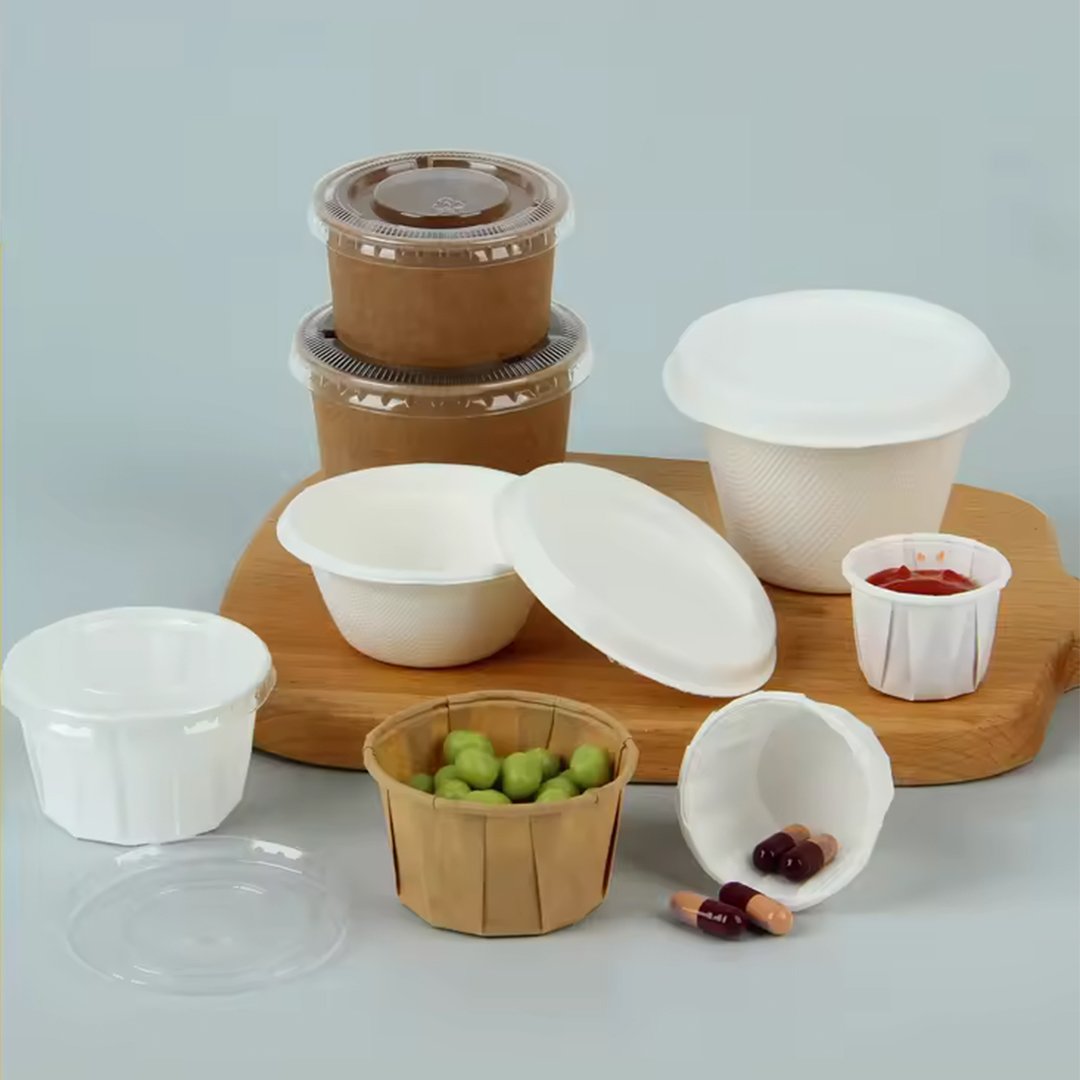
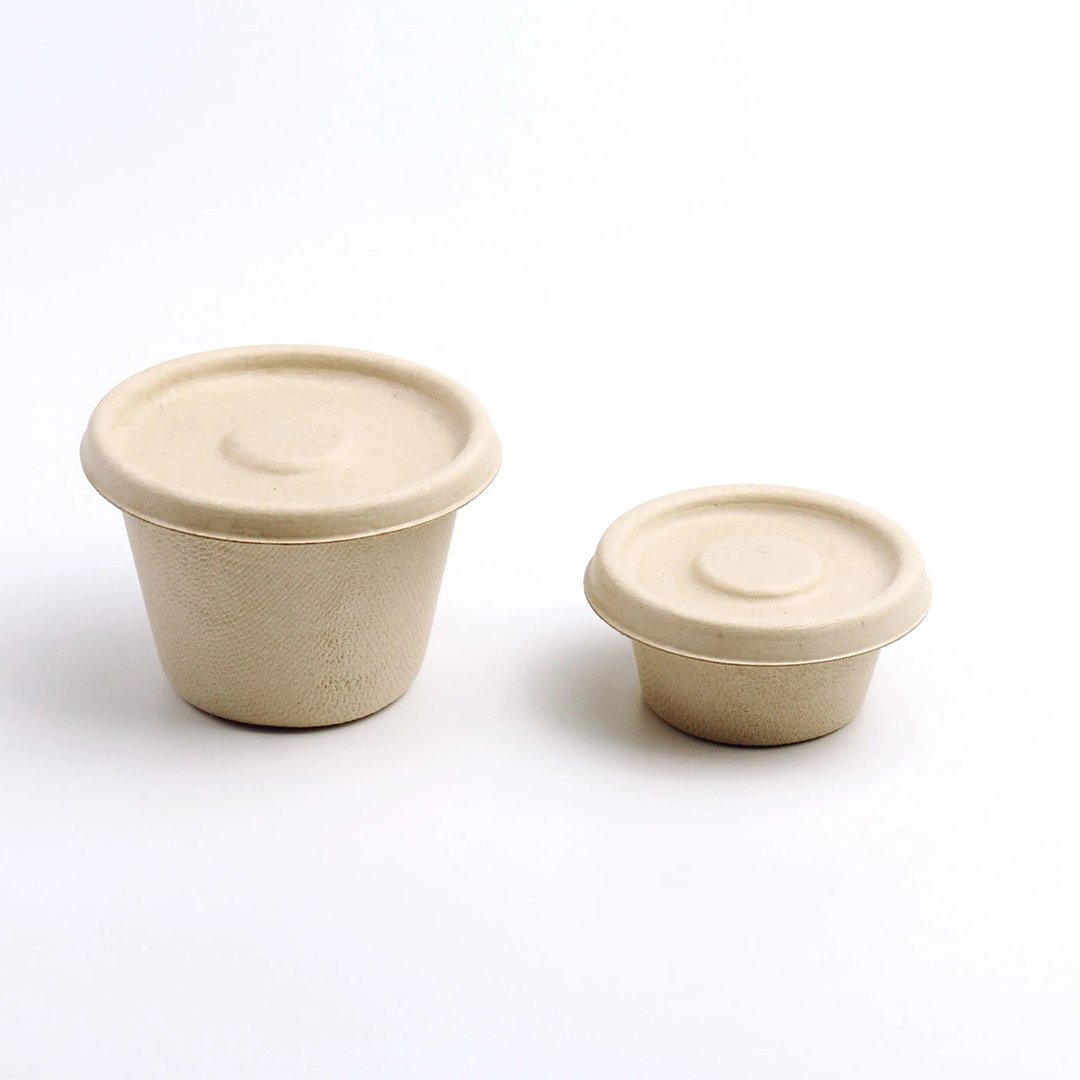
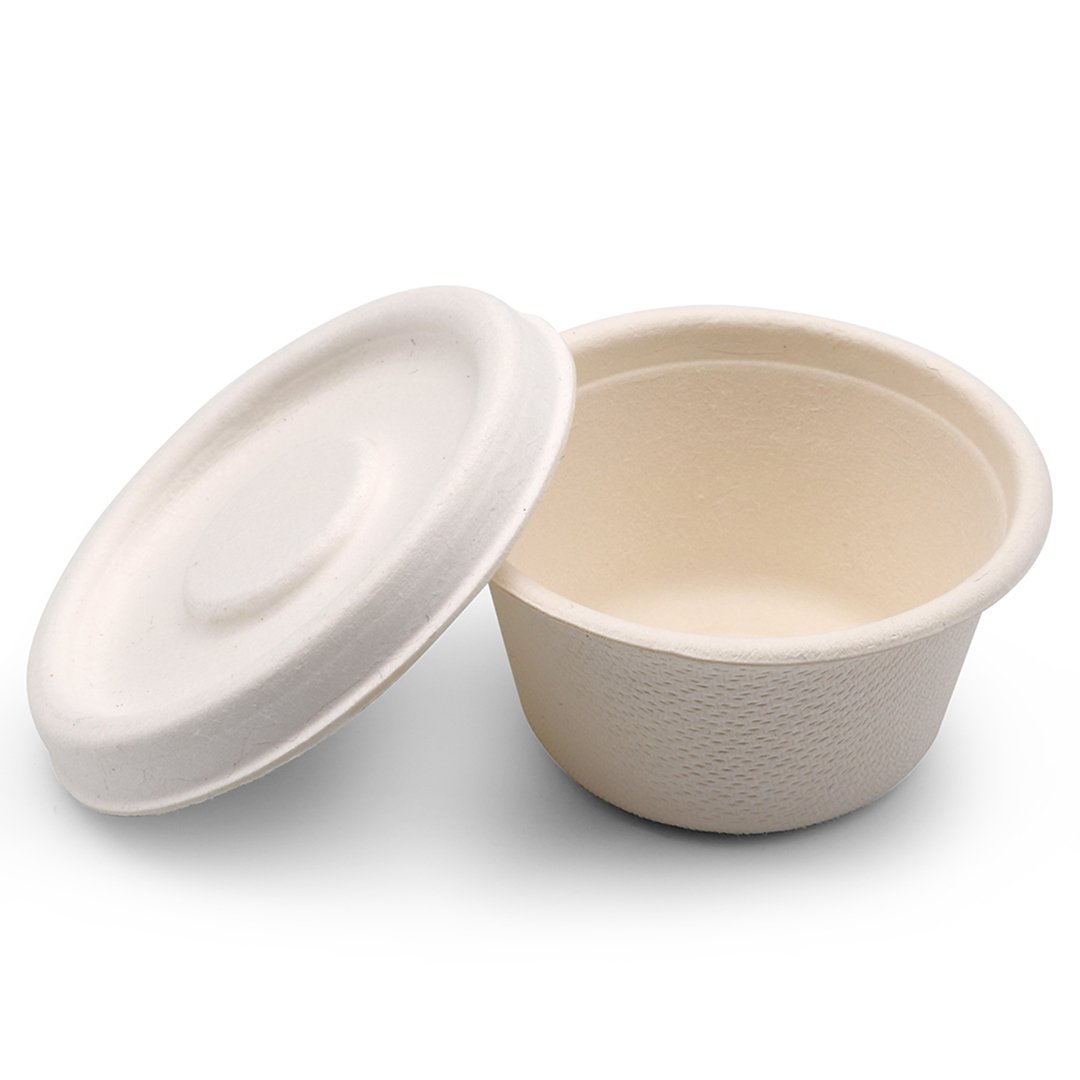
Lid availability enhances sauce cup functionality. Secure closures prevent spills during transport, ensuring that takeaway food bowls and their accompanying condiments reach customers without messy leaks. Clear lids enable product visibility, while matching lid systems ensure reliable sealing across temperature ranges and handling conditions.
Different lid styles suit varied applications. Flat lids provide basic coverage. Dome lids accommodate filled portions. Slotted lids enable utensil insertion. Each design serves specific functional requirements balancing cost, convenience, and containment security.
Lid style options include:
- Flat lids for basic coverage and stacking
- Dome lids for generous portions and visibility
- Slotted lids for utensil or straw access
- Reclosable lids enabling multiple openings
- Tamper-evident lids showing interference
- Vented lids releasing steam from hot sauces
Seal performance factors include:
- Cup rim consistency providing uniform sealing
- Lid fit precision preventing gaps or looseness
- Material flexibility accommodating slight variations
- Temperature stability maintaining seals when hot or cold
- Pressure resistance preventing pop-off during transport
- Chemical resistance to acidic or oil-based contents
Testing validates seal performance under real-world conditions. Drop tests simulate handling stress. Temperature cycling confirms seal maintenance. Pressure testing reveals potential failure points requiring design adjustments.
Branding And Printing Capabilities For Packaging
Sauce cups offer branding opportunities extending brand presence throughout dining experiences. Custom printing transforms functional containers into marketing touchpoints. Logo placement, color schemes, and messaging create cohesive brand expressions across all service elements within food service paper cups categories where coordinated branding strengthens customer recognition.
Limited surface area requires strategic design choices. Simple logos maintain clarity at small scale. High-contrast colors ensure visibility. Minimal text prevents cluttered appearance. Effective designs communicate brand identity without overwhelming functional containers.
Design optimization strategies include:
- Simple logo designs maintaining clarity
- High-contrast color schemes ensuring visibility
- Minimal text focusing on brand essentials
- Strategic placement maximizing viewing angles
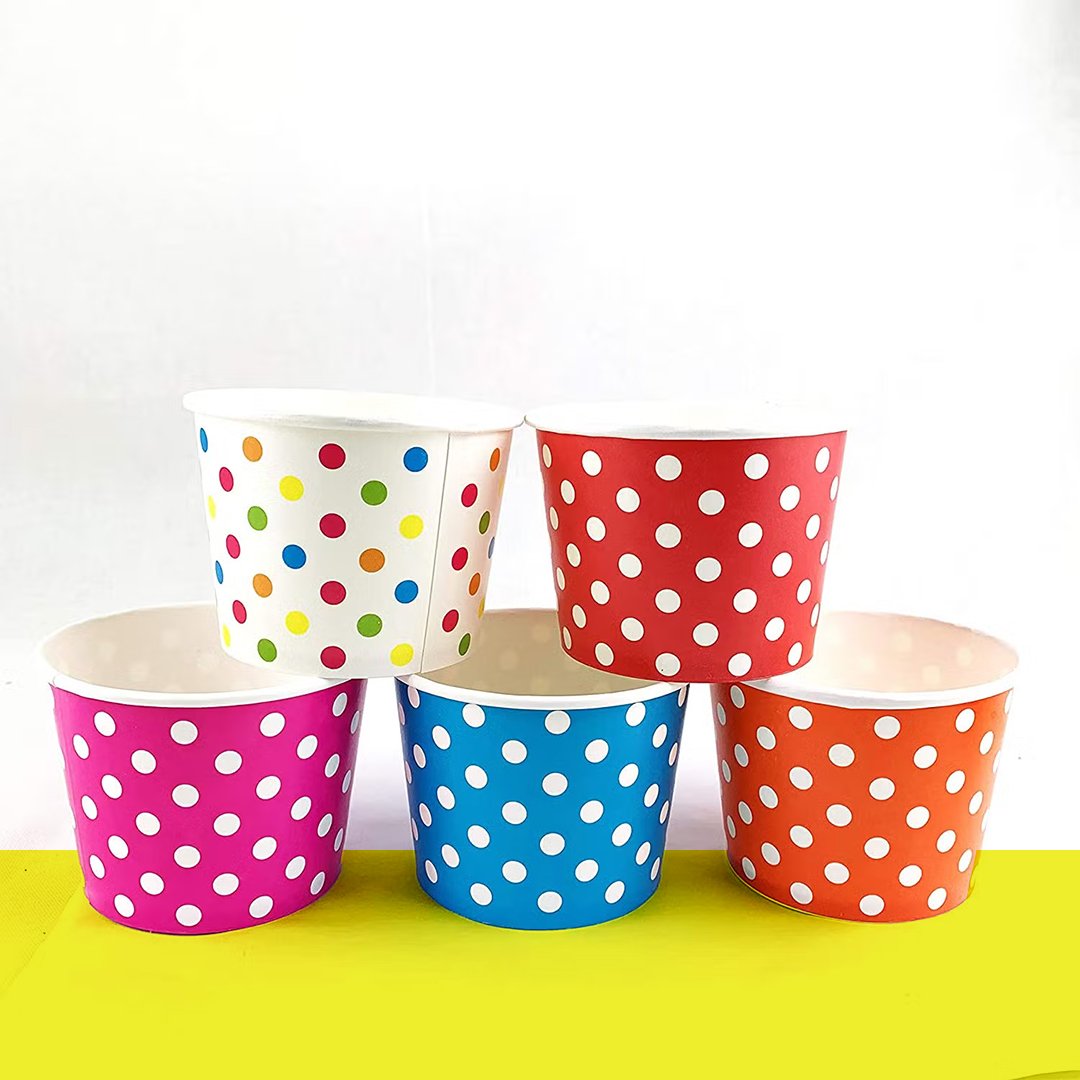
- Pattern backgrounds creating visual interest
- Color psychology reinforcing brand identity
Print area varies by cup size. Small cups accommodate logos primarily. Larger formats enable additional messaging. All-over patterns create distinctive appearances. Strategic choices balance branding goals with production economics.
Printing Methods For Cup Production
Different printing technologies suit varied order volumes and design complexities. Flexographic printing dominates commercial production through speed and economy. Digital printing enables customization and short runs. Each method offers distinct capabilities regarding detail, color accuracy, and minimum quantities.
Printing technology comparison includes:
- Flexographic printing for volume production
- Digital printing for customization and testing
- Offset printing for maximum quality
- Screen printing for specialty effects
- Hot stamping for metallic accents
Print quality affects brand perception. Clean registration ensures crisp graphics. Color consistency maintains brand standards. Proper ink adhesion prevents smearing during handling. Quality control throughout production protects brand presentation.
Environmental Impact And Sustainability
Paper sauce cups offer inherent environmental advantages over plastic alternatives. Uncoated or minimally coated cups recycle through standard paper streams. Compostable coatings enable organic waste processing. Biodegradable materials decompose in landfills reducing long-term environmental impact throughout small serving sizes where sustainable choices matter to environmentally conscious customers.
Environmental responsibility increasingly influences packaging decisions. Sustainable sauce cup choices support green positioning while meeting customer expectations. Material sourcing, manufacturing processes, and end-of-life considerations all impact environmental footprints requiring comprehensive evaluation.
Sustainable material features include:
- Paper base from renewable forest resources
- FSC certification ensuring responsible sourcing
- Recyclable construction in municipal programs
- Compostable coatings from plant-based materials
- Biodegradable options decomposing naturally
- Minimal processing reducing manufacturing impact
Customer expectations increasingly favor sustainable packaging. Visible environmental credentials enhance brand perception. Clear disposal instructions guide proper waste handling. Communication about sustainable choices builds loyalty among conscious consumers.
Lifecycle Assessment Considerations For Materials
Complete environmental evaluation considers manufacturing, distribution, use, and disposal phases. Energy consumption, water usage, and emissions all contribute to total impact. Optimization requires holistic assessment rather than single-factor focus.
Lifecycle optimization strategies include:
- Lightweight designs minimizing material consumption
- Local manufacturing reducing transportation emissions
- Efficient production processes lowering energy use
- Recyclable or compostable disposal pathways
- Sustainable sourcing from certified suppliers
- Transparent reporting building customer trust
Third-party certifications validate environmental claims. Carbon footprint analysis quantifies impact. Renewable energy usage reduces emissions. Comprehensive approaches demonstrate genuine environmental commitment beyond superficial marketing.
Professional Operational Integration And Efficiency
Effective sauce cup implementation requires workflow integration, staff training, and inventory management. Proper systems maximize efficiency while maintaining service quality during peak periods preventing bottlenecks affecting customer satisfaction. Organizing your disposable food cups within a streamlined prep station allows staff to maintain speed and accuracy during high-volume service hours.
Proper portioning techniques ensure consistency across all orders. Staff training reduces waste from overfilling or spillage. Organized workstations enable efficient sauce preparation. Batch pre-portioning during slow periods speeds service during rushes.
Operational best practices include:
- Standardized portioning procedures for consistency
- Pre-portioning during off-peak periods
- Organized sauce stations enabling quick access
- Proper lid application preventing transport spills
- Inventory monitoring maintaining adequate supplies
- Quality checks ensuring customer satisfaction
Storage And Inventory Management And Stock Control
Proper storage maintains product quality preventing contamination or damage. Dry conditions preserve paper integrity. Organized systems enable quick retrieval. Inventory tracking prevents stockouts during busy periods disrupting service continuity.
Storage optimization strategies include:
- Clean, dry storage preventing moisture damage
- FIFO rotation using oldest stock first
- Organized shelving enabling quick access
- Par level systems maintaining adequate inventory
- Supplier coordination ensuring timely replenishment
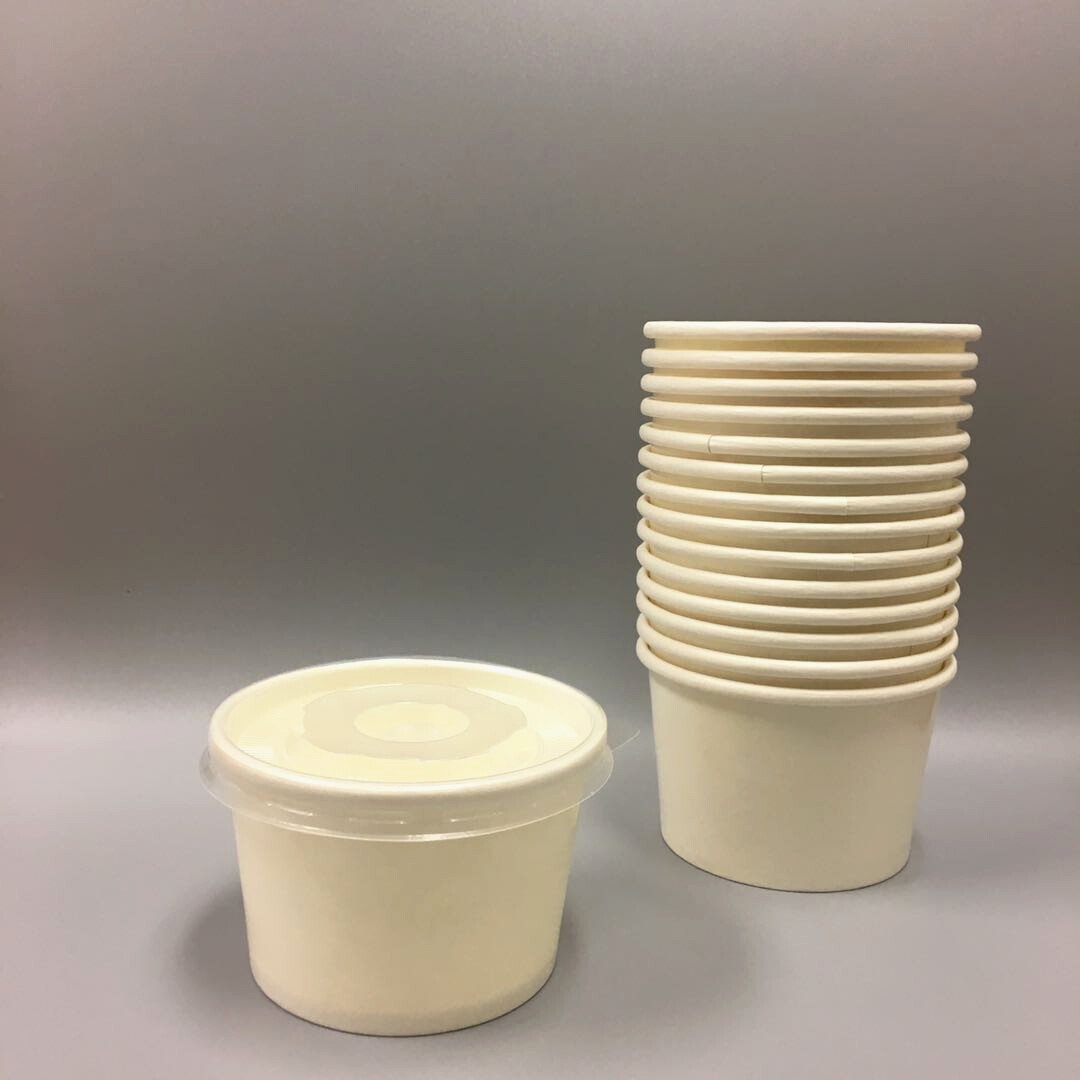
- Space-efficient stacking maximizing storage capacity
Inventory levels balance availability against storage constraints and capital investment. Usage analysis guides reorder timing. Safety stock prevents service interruptions. Automated systems maintain optimal levels.