


Description
Paper Coffee Cup Sleeves Heat Protection
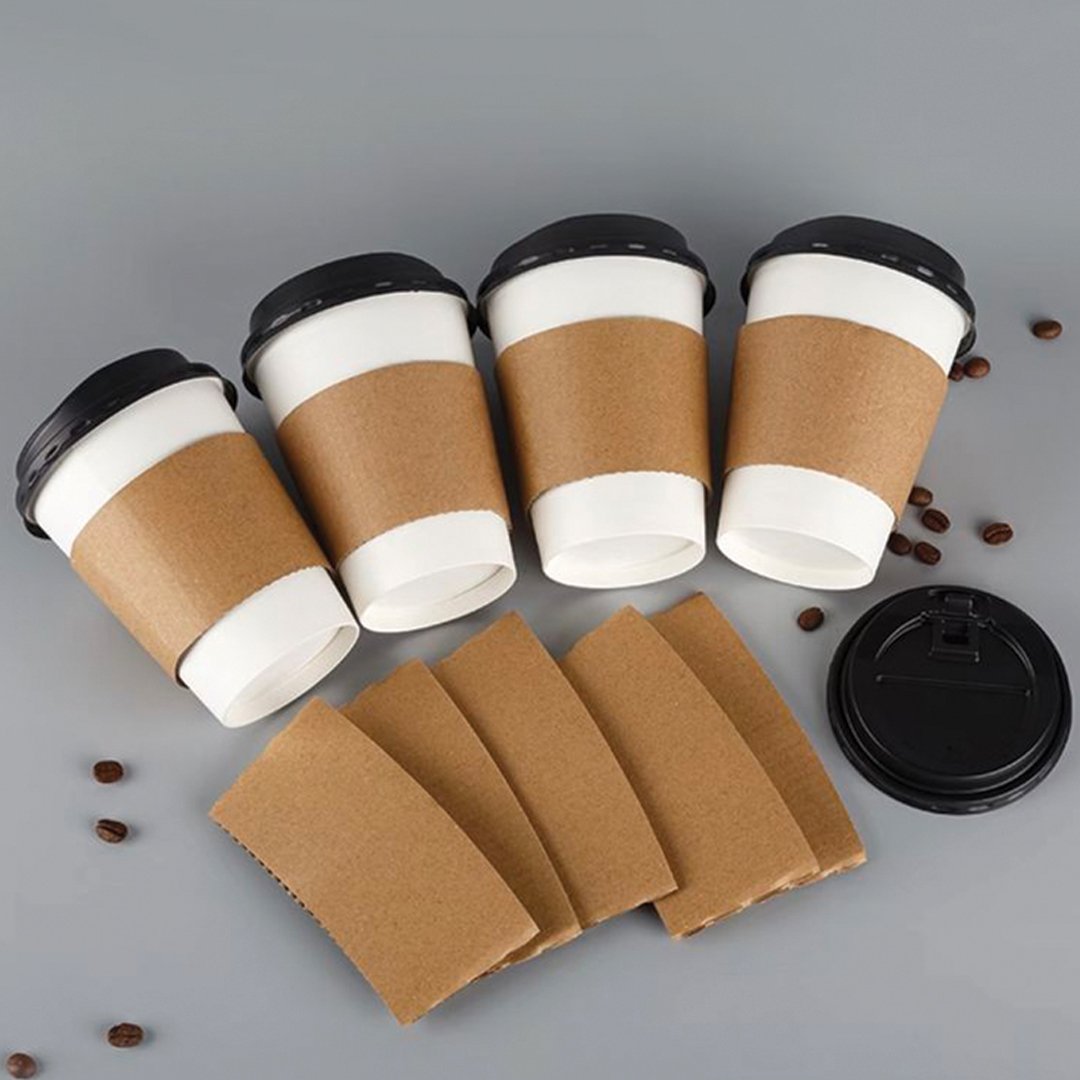
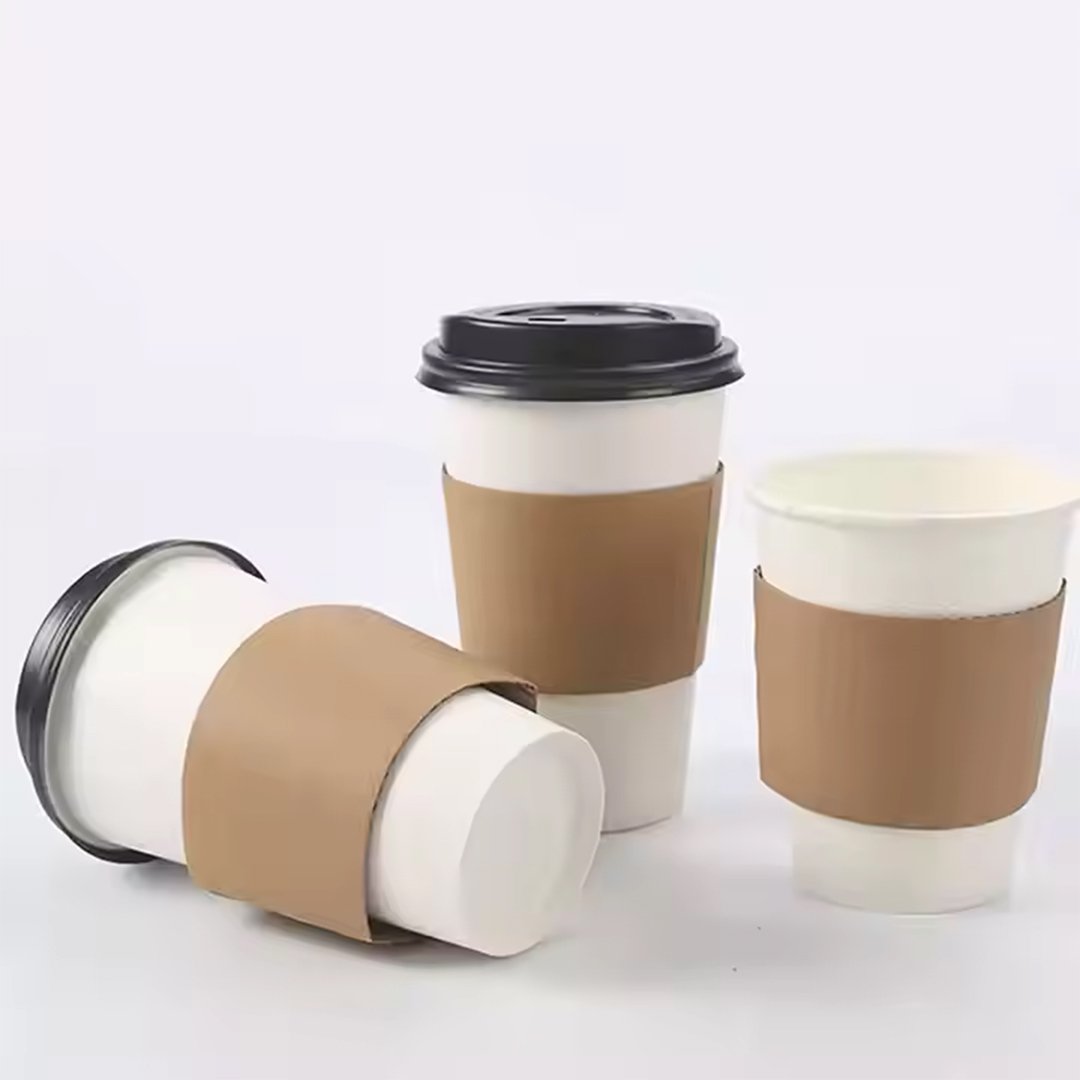
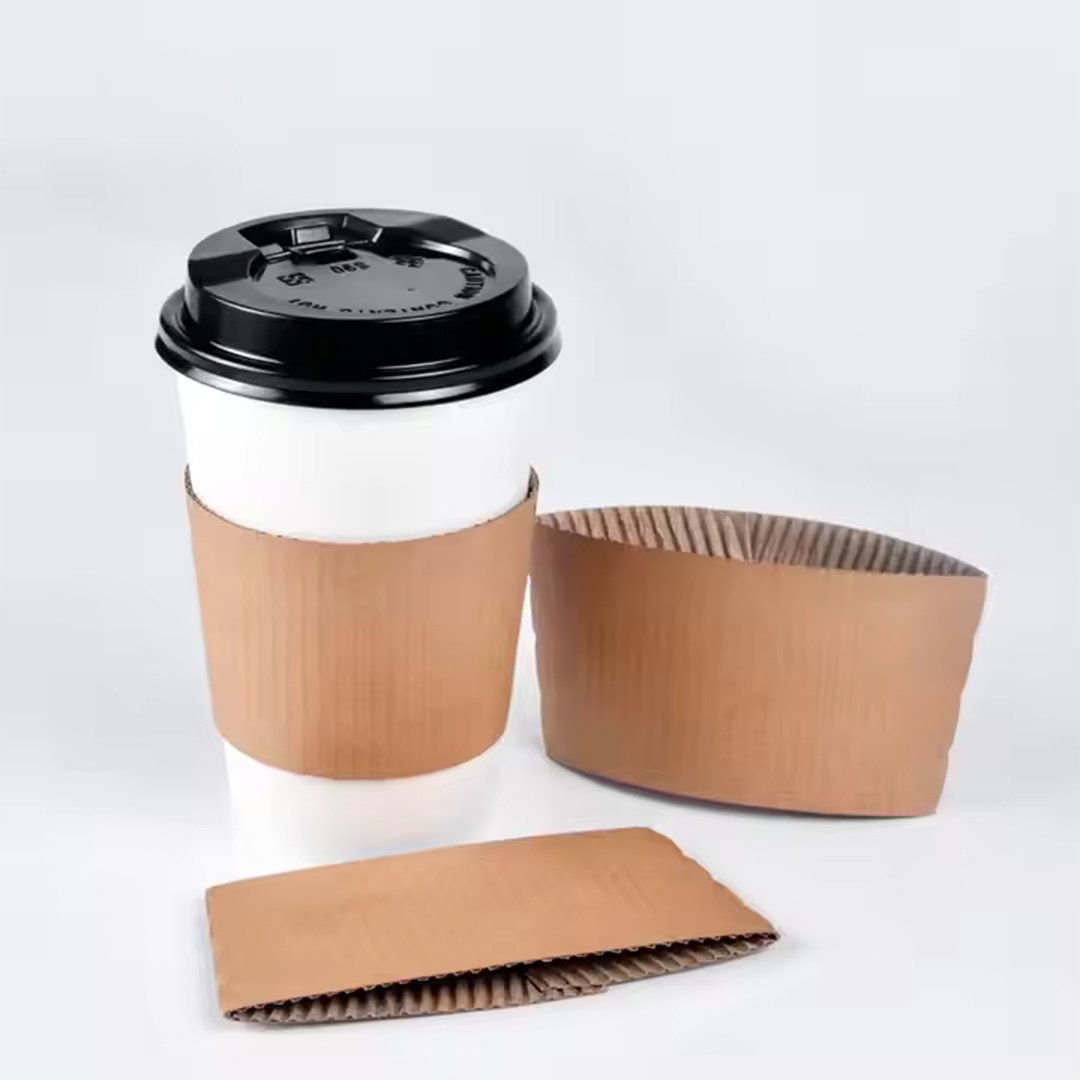
Paper coffee cup sleeves provide essential heat protection for hot beverage service preventing customer burns while enabling comfortable handling. These protective sleeves fit around standard paper cups creating insulating barriers between hot liquids and hands. Coffee shops, cafes, food trucks, and convenience stores rely on cup sleeves ensuring customer safety and satisfaction during takeaway beverage service. The insulated coffee serving systems benefit from sleeve integration where protective barriers enhance overall customer experience.
Beverage businesses benefit from sleeves reducing liability risks associated with hot drink service. Customer comfort improves dramatically when handling hot beverages without discomfort. Brand visibility increases through custom-printed sleeves displaying logos and messaging. These functional accessories transform basic beverage service into professional branded experiences starting with accessible 100-unit minimum orders.
Understanding Cup Sleeve Heat Protection
Cup sleeves function through air gap insulation and material thermal resistance. The space between cup surface and sleeve exterior creates insulating barriers reducing heat transfer to hands. Material thickness and density further enhance protective capabilities preventing burns during normal handling.
Different sleeve designs offer varied protection levels. Single wall sleeves provide basic heat barriers. Double wall construction delivers enhanced insulation. Corrugated sleeves maximize air gap insulation through structural channels. Understanding these variations helps businesses select appropriate protection levels matching beverage temperatures and holding durations.
Heat Transfer Prevention Mechanisms
Heat transfers through conduction, convection, and radiation. Cup sleeves primarily address conduction where direct contact causes heat transfer. Air gaps trapped within sleeve structures prevent convective heat movement. Material selection affects overall thermal resistance performance.
Heat protection factors include:
- Material thickness affecting thermal resistance
- Air gap dimensions determining insulation levels
- Sleeve coverage area protecting hand contact points
- Material density influencing heat conduction rates
- Structural design creating insulating air channels
- Fit tightness preventing heat bypass gaps
Different beverage temperatures require appropriate protection levels. Extra-hot drinks above 180°F demand maximum insulation. Standard coffee temperatures around 160-170°F need moderate protection. Warm beverages below 150°F require minimal barriers.
| Beverage Temperature | Protection Level | Sleeve Type | Material Weight |
|---|---|---|---|
| 180°F+ Extra Hot | Maximum | Double-wall/Corrugated | 200+ GSM |
| 160-180°F Hot | High | Standard thick | 150-200 GSM |
| 140-160°F Warm | Moderate | Standard | 100-150 GSM |
| Below 140°F | Minimal | Thin/Optional | 80-100 GSM |
Material Options For Coffee Cup Sleeves
Paper stocks represent most common sleeve materials. Kraft paper provides natural aesthetics and sustainability. Bleached white paper offers clean canvases for colorful printing. Recycled papers support environmental positioning while maintaining adequate performance through appropriate weight selection and construction methods addressing café beverage packaging requirements.
Various materials suit cup sleeve manufacturing each offering specific characteristics affecting performance, cost, and environmental impact. Paper dominates the market through recyclability, printability, and cost effectiveness. Alternative materials serve specialized applications.
Paper material characteristics include:
- Kraft paper offering natural brown appearance
- White paper enabling vibrant color printing
- Recycled content supporting sustainability goals
- Food-grade certification ensuring safety compliance
- Various weights balancing protection and cost
- Coating options enhancing moisture resistance
Material weight significantly affects both protection and cost. Lightweight options (80-100 GSM) suit warm beverages. Standard weights (120-150 GSM) handle typical coffee temperatures. Heavy-duty sleeves (180-220 GSM) protect against extremely hot drinks.
Corrugated And Specialty Constructions
Corrugated sleeves incorporate fluted layers creating air channels maximizing insulation. These premium options deliver superior heat protection through enhanced structural design. Manufacturing complexity increases costs but performance justifies premiums for high-temperature applications.
The spill prevention accessories complement sleeve usage where complete beverage protection systems integrate multiple safety components creating comprehensive customer satisfaction programs. This integrated approach ensures that heat retention and physical security work together to provide a superior user experience.
Corrugated construction benefits include:
- Maximum heat insulation through air channels
- Rigid structure preventing collapse during handling
- Premium appearance suggesting quality service
- Enhanced brand visibility through prominent surfaces
- Cushioning protection if cups are compressed
- Distinctive texture creating tactile differentiation
Sleeve Design And Structural Features
Sizing variations accommodate different cup manufacturers. Tolerance ranges typically allow 0.25-0.5 inch adjustment. Custom sizing addresses non-standard cups or specific grip preferences. The drink carrying support systems integrate with sleeves where coordinated accessories create complete beverage service solutions. This integration ensures that despite varying cup dimensions, the overall stability and safety of the beverage presentation remain consistent for the end user.
Proper sizing ensures sleeves fit cups securely without slipping or excessive tightness. Standard sizes accommodate common cup dimensions. Custom sizing serves unique cup shapes. Fit tolerances balance secure positioning with easy application during high-volume service.
Standard sleeve sizing includes:
- 8 oz cups: 2.5″ height x 8.5″ circumference
- 12 oz cups: 3″ height x 9.5″ circumference
- 16 oz cups: 3.5″ height x 10.5″ circumference
- 20 oz cups: 4″ height x 11.5″ circumference
Seam And Closure Methods For Secure Packing
Seam construction affects sleeve durability and appearance. Overlapping seams provide simple economical construction. Interlocking tabs create secure closures. Adhesive seams deliver clean appearances. Each method offers distinct advantages regarding cost, strength, and aesthetics.
Seam construction options include:
- Overlap seams offering economical simplicity
- Interlocking tabs providing tool-free closure
- Adhesive bonding creating smooth finishes
- Heat-sealed seams delivering permanent construction
- Stapled closures ensuring secure attachment
- Fold-over designs eliminating adhesive needs
Seam placement affects both function and printing. Side seams maximize continuous print areas. Center seams enable symmetrical designs. Bottom seams preserve full-height graphics. Strategic placement optimizes both practical performance and visual impact.
| Seam Type | Application Speed | Appearance | Durability | Cost |
|---|---|---|---|---|
| Overlap | Very Fast | Basic | Good | Lowest |
| Interlocking | Fast | Clean | Very Good | Low |
| Adhesive | Moderate | Smooth | Excellent | Moderate |
| Heat Sealed | Moderate | Premium | Excellent | Higher |
Printing And Branding Opportunities
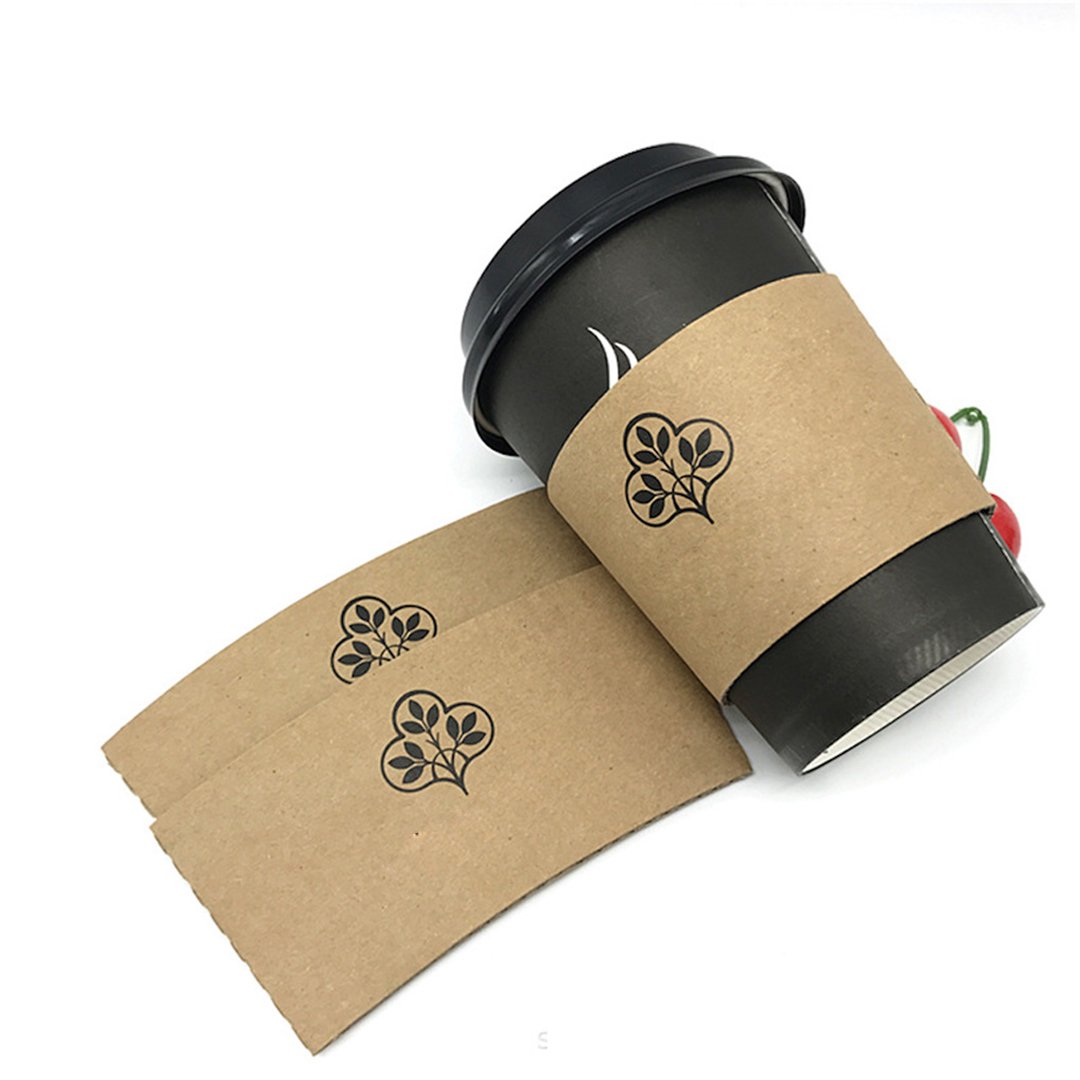
Cup sleeves provide mobile advertising reaching customers throughout their day. Print visibility exceeds cups themselves as sleeves remain visible during entire beverage consumption. Strategic branding transforms functional accessories into marketing tools generating impression beyond initial purchase.
Sleeve circumference provides substantial printing area compared to cups. Full-wrap designs create 360-degree branding. Strategic graphics placement ensures logo visibility from multiple angles. Information hierarchy guides customer attention through visual elements.
Design optimization strategies include:
- Full-wrap graphics maximizing brand exposure
- Front-focused designs emphasizing key messaging
- Side-panel information providing details
- Pattern backgrounds creating visual interest
- QR codes enabling digital engagement
- Social media prompts encouraging sharing
Color psychology influences brand perception through sleeve design. Warm colors suggest energy and comfort. Cool tones communicate sophistication. Earth tones reinforce natural or organic positioning. Strategic color selection enhances messaging effectiveness beyond words alone.
Printing Methods And Consistent Print Quality
Different printing technologies suit varied quantities and design complexities. Digital printing enables short runs and variable data. Flexographic printing delivers economical volume production. Each method offers distinct capabilities regarding color accuracy, detail resolution, and minimum quantities.
Printing technology comparison includes:
- Digital printing for short runs and customization
- Flexographic printing for volume production
- Screen printing for specialty inks and effects
- Offset printing for maximum quality and color
- Hot stamping for metallic accents
- Embossing for dimensional branding
Print quality directly affects brand perception. Sharp details communicate professionalism. Accurate colors maintain brand consistency. Proper registration ensures aligned graphics. Quality control throughout production maintains standards protecting brand reputation.
Environmental Considerations And Sustainability
Environmental consciousness increasingly influences packaging decisions. Sustainable sleeve choices support green business positioning while meeting customer expectations. Material sourcing, recyclability, and disposal considerations all impact environmental footprints through responsible selection within cup accessories and add ons categories.
Paper sleeves naturally offer recyclability advantages over plastic alternatives. Clean paper sleeves process through standard recycling streams. Minimal coating applications maintain recyclability. Food-grade materials ensure safety throughout lifecycle including disposal phases.
Sustainable material features include:
- Recyclable paper accepted in municipal programs
- Compostable materials breaking down naturally
- Biodegradable options decomposing in landfills
- FSC-certified papers from managed forests
- Post-consumer recycled content reducing virgin fiber
- Water-based inks avoiding petroleum solvents
Customers increasingly expect environmental responsibility. Visible sustainability credentials enhance brand perception. Clear disposal instructions guide proper recycling. Communication about environmental choices builds customer loyalty among conscious consumers prioritizing ecological considerations.
Lifecycle Environmental Impact During Production
Complete environmental assessment considers manufacturing, transportation, use, and disposal phases. Material extraction, energy consumption, and waste generation all contribute to overall footprints. Optimization requires holistic evaluation rather than single-factor focus.
Lifecycle optimization strategies include:
- Lightweight designs reducing material consumption
- Local manufacturing minimizing transportation emissions
- Renewable energy in production processes
- Waste stream recycling during manufacturing
- Efficient logistics reducing distribution impact
- End-of-life recovery through recycling programs
Environmental certifications provide third-party validation. Carbon-neutral programs offset production emissions. Renewable energy certificates demonstrate clean power usage. Transparency about environmental efforts builds trust with increasingly informed customers.
Cost Factors And Volume Considerations
Volume discounts reduce per-unit costs substantially. Larger orders distribute setup expenses across more pieces. Economies of scale benefit high volume operators. Strategic purchasing aligns with usage patterns optimizing inventory investment. The hot beverage service industry benefits from flexible ordering starting at 100 units enabling businesses to test designs before larger commitments.
Sleeve costs vary based on materials, printing, quantities, and customization complexity. Understanding cost drivers helps businesses optimize packaging investments balancing quality with budget constraints through strategic decisions. Our 100-unit minimum order makes professional sleeve packaging accessible to businesses of all sizes from independent cafes to growing coffee chains.
Material selection significantly impacts per-unit costs. Premium weights increase expenses. Specialty constructions command premiums. Standard materials balance performance with economics. Volume quantities dramatically affect pricing through setup cost distribution starting at accessible minimums.
Cost variable factors include:
- Material weight and specialty grade selection
- Printing method and color quantity requirements
- Custom sizing requiring specialized tooling
- Finishing options including coating or embossing
- Order quantity affecting per-unit economics
- Rush production compressing standard timelines
| Order Quantity | Cost Efficiency | Setup Distribution | Best Application |
|---|---|---|---|
| 100-500 | Entry level | Minimal | Testing, small cafes |
| 500-2,500 | Good | Moderate | Growing businesses |
| 2,500-10,000 | Better | Excellent | Established operations |
| 10,000+ | Best | Maximum | High-volume chains |
Return On Investment Analysis
Sleeve investments justify through multiple returns. Brand exposure generates marketing value. Customer satisfaction prevents negative experiences. Safety provision reduces liability risks. Professional image supports premium pricing strategies.
ROI consideration factors include:
- Marketing value of mobile brand exposure
- Customer satisfaction preventing complaints
- Liability reduction avoiding injury claims
- Professional image supporting pricing
- Repeat business from positive experiences
- Competitive differentiation in crowded markets
Quality sleeve provision represents relatively modest investment generating disproportionate returns through enhanced customer experiences and brand visibility throughout communities as customers carry branded beverages.
Application Efficiency And Service Speed
Efficient sleeve application maintains service speed during peak periods. Staff training, sleeve positioning, and workflow design all affect operational efficiency. Proper systems prevent bottlenecks maintaining customer satisfaction during rushes.
Proper application techniques ensure consistent sleeve positioning and secure attachment. Training reduces waste from improperly applied sleeves. Consistent placement maintains brand presentation across all served beverages creating professional appearance standards supporting comprehensive coffee cup accessories programs.
Workflow optimization positions sleeves strategically within service sequences. Pre-application on empty cups speeds service. Dedicated sleeve stations enable specialized staff. Batch preparation during slow periods prevents rush delays.
Application best practices include:
- Positioning sleeves before cup filling when possible
- Centering graphics for optimal visibility
- Ensuring secure attachment preventing slippage
- Maintaining consistent orientation across orders
- Keeping sleeves accessible at service stations
- Monitoring inventory preventing service interruptions
Return On Investment Analysis And Cost Savings
Inventory levels balance availability against storage space and capital investment. Usage pattern analysis guides ordering timing. Safety stock prevents disruptions. Automated reordering systems maintain optimal levels. The kraft insulated cups coordinate with sleeve inventory management where complementary products order together streamlining procurement processes.
Proper storage maintains sleeve quality preventing damage or contamination. Dry conditions preserve paper integrity. Organized systems enable quick access. Inventory tracking prevents stockouts during busy periods disrupting service continuity.
Storage optimization strategies include:
- Dry storage preventing moisture damage
- Organized systems enabling quick retrieval
- FIFO rotation using oldest stock first
- Adequate inventory maintaining service continuity
- Multiple location stocking for large operations
- Supplier relationships ensuring reliable replenishment
Regulatory Compliance And Food Safety
Sleeves contacting food and beverages must meet safety standards. Material certifications, ink safety, and manufacturing cleanliness all affect compliance. Proper documentation proves adherence to regulations protecting businesses and customers.
Food grade materials prevent contamination. Certified papers meet safety standards. Approved inks avoid toxic compounds. Manufacturing environments maintain cleanliness. Documentation proves compliance during inspections or audits.
Compliance requirements include:
- FDA food contact approval for materials
- Food-grade ink certifications
- Manufacturing facility cleanliness standards
- Material safety data sheet maintenance
- Allergen-free processing environments
- Third-party testing verification
Proper certification documentation supports health inspections. Compliance prevents regulatory violations. Customer safety remains paramount throughout material selection and manufacturing processes.
Labeling And Information Requirements For Safety
Regulatory labeling requirements vary by jurisdiction. Some regions mandate specific safety warnings or disposal instructions. International sales may require multiple language labeling. Understanding applicable requirements prevents compliance issues.
Labeling consideration factors include:
- Disposal instruction clarity
- Safety warning placement when required
- Material composition disclosure
- Manufacturer identification information
- Country of origin labeling
- Barcode compatibility for distribution
Clear labeling serves both regulatory compliance and customer information needs creating transparent communication supporting informed purchasing decisions.