



Description
Distinct Shape And Functional Flow Of Paper Cone Cups
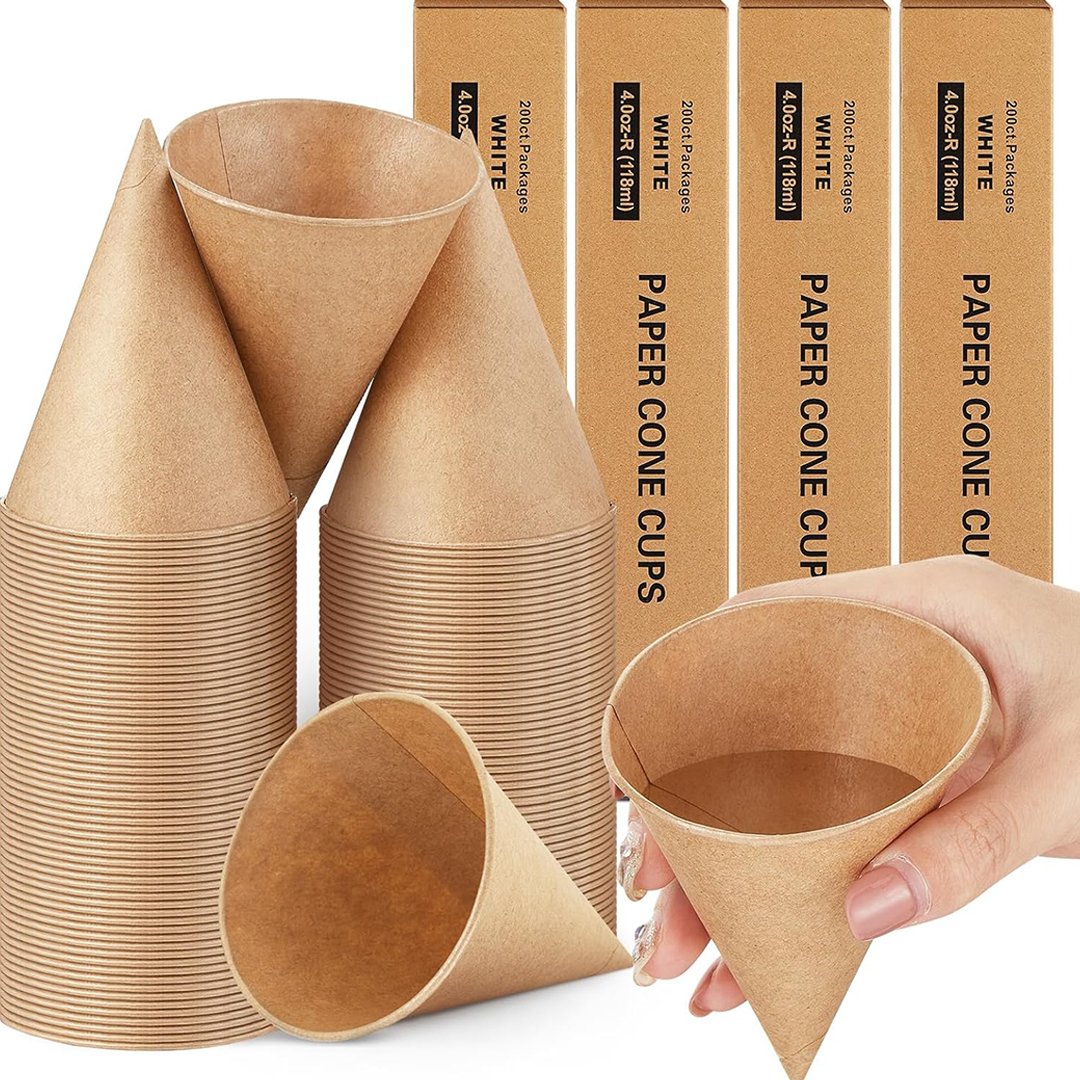
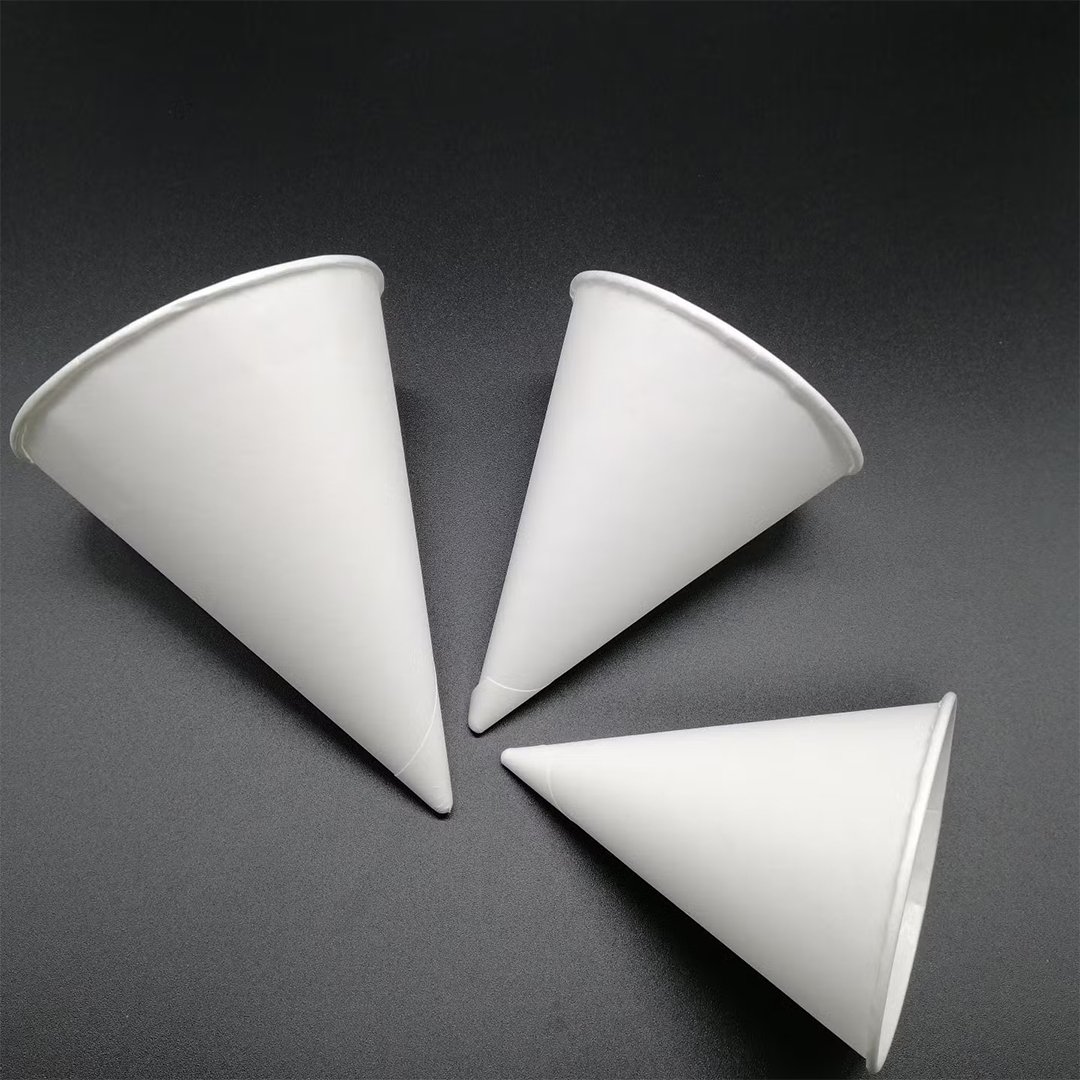
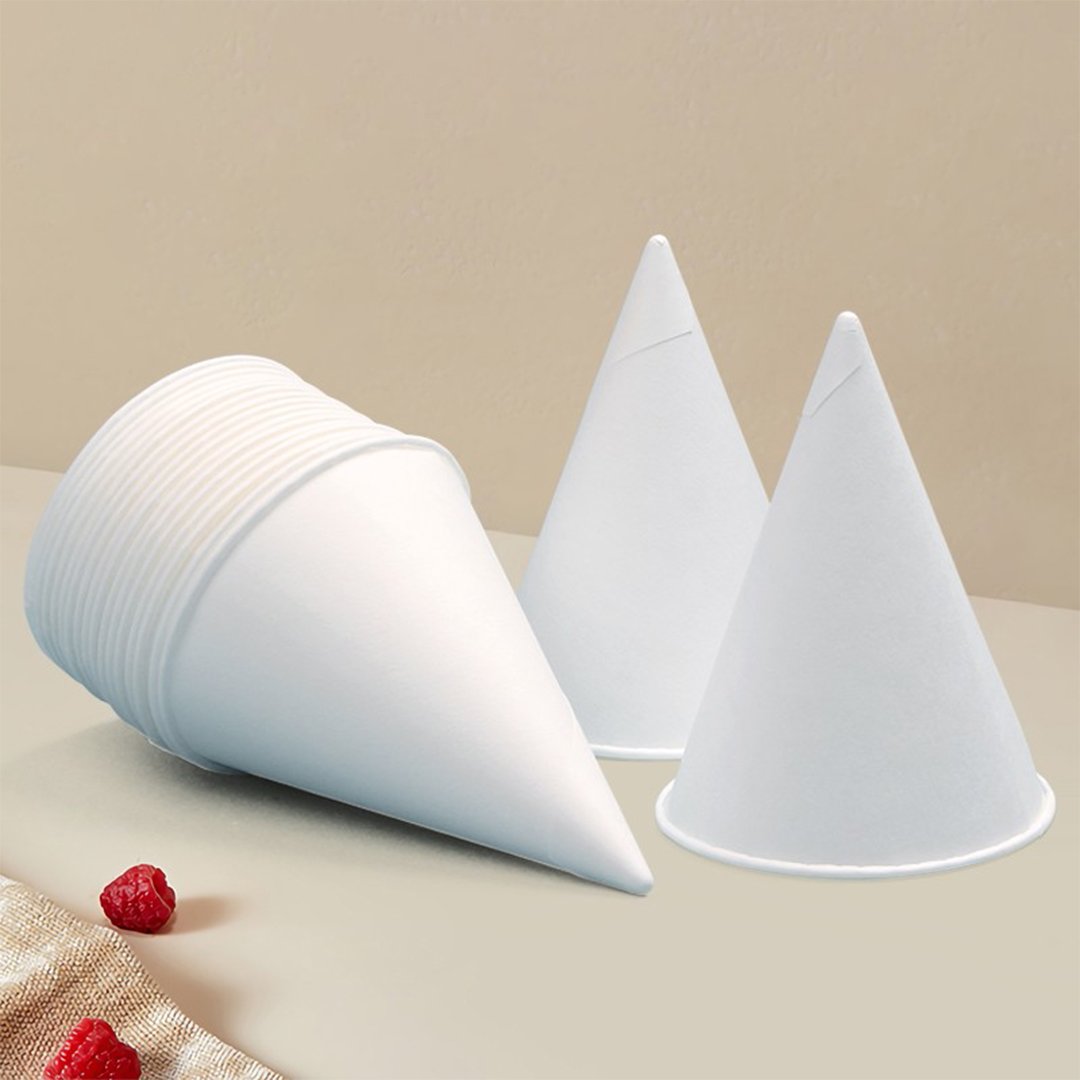
Paper cone cups are designed with a pointed base and circular rim, creating a unique structure that supports quick beverage consumption. Unlike flat-bottom cups, the conical shape encourages immediate use, as the cup cannot stand upright on its own. This feature makes them especially suitable for water dispensers and fast hydration points. In many facilities, cone style paper cup designs are selected because they reduce cup wastage and encourage single-use consumption in controlled serving areas.
The tapered form allows liquid to flow smoothly toward the drinking edge, creating a steady and controlled experience. The paperboard used in paper cone cups is formed to maintain rigidity while remaining lightweight. The interior surface is prepared to resist moisture for the duration of use, ensuring that the cup maintains its integrity during short-term liquid contact. For organizations managing high-volume needs, a free quote and custom design can help define appropriate sizing, and free delivery in USA may be available depending on quantity and destination.
Because paper cone cups cannot be placed on surfaces without support, they are commonly used with wall-mounted dispensers. This structural detail helps maintain hygiene standards, as cups are typically dispensed one at a time. The shape naturally limits prolonged handling and reduces the chance of cups being reused or left unattended.
Conical Structure Promoting Single Use Efficiency
The pointed base of paper cone cups serves a functional purpose beyond design. It ensures that the cup is used immediately after dispensing, which supports clean and efficient beverage service. This structure reduces clutter around water stations and encourages responsible disposal after use.
When compared with covered cup formats, cone cups eliminate the need for additional components such as lids. The simplicity of the structure supports quick distribution and disposal, particularly in public spaces or shared environments. The lightweight build ensures easy stacking within dispensers, while the smooth inner surface allows water or other light beverages to be consumed comfortably.
-
Use dispenser-compatible cone sizes for proper fit.
-
Ensure inner surface resists short-term moisture exposure.
-
Maintain smooth rim edges for safe drinking.
-
Store in dry conditions to protect structure.
-
Dispose of cups promptly after use.
| Feature Focus | Structural Element | Functional Outcome | Common Application | Note |
|---|---|---|---|---|
| Cup Shape | Conical body | Immediate use | Water stations | Cannot stand upright |
| Inner Surface | Treated paper | Moisture resistance | Hydration points | Short-term use |
| Rim Design | Rounded edge | Drinking comfort | Offices | Smooth contact |
| Dispenser Fit | Nested stack | Easy dispensing | Public spaces | Hygienic access |
| Lightweight Build | Thin paperboard | Efficient storage | Events | Space-saving |
Practical Application In Public And Workplace Settings
Paper cone cups are widely used in environments where quick hydration and controlled distribution are required. Their design ensures that each cup is taken individually, supporting hygiene and reducing unnecessary handling. Because the cup cannot stand upright, it encourages immediate consumption and disposal, which helps maintain cleanliness in shared spaces.
In workplaces and public facilities, paper cone cups are often paired with top cover options for storage units or dispenser protection. While the cups themselves do not require lids during use, protective covers can help maintain hygiene before dispensing. The conical structure allows large quantities of cups to be stacked compactly, making them easy to refill in dispensers.
The lightweight construction ensures that the cups are easy to transport and store. Their minimal material usage supports efficient production while maintaining sufficient strength for holding water and other light beverages. This makes paper cone cups practical for schools, clinics, offices, and event venues.
Hygienic Dispensing And Streamlined Usage Flow
One of the key advantages of paper cone cups lies in their compatibility with wall-mounted or countertop dispensers. These systems allow cups to be released one at a time, reducing cross-contact between users. The shape supports smooth dispensing, as each cup separates easily from the stack.
When compared with grip layers for serving, which are often used with larger beverage cups, cone cups rely on simplicity rather than added components. The absence of additional layers keeps the structure straightforward and efficient. This supports quick use in high-traffic areas where speed and cleanliness are priorities.
-
Install compatible dispensers for smooth operation.
-
Keep refill stations organized and accessible.
-
Maintain clean storage conditions before loading.
-
Monitor stock levels to avoid overfilling.
-
Replace stacks carefully to prevent rim damage.
| Feature Focus | Usage Element | Benefit | Suitable Environment | Tip |
|---|---|---|---|---|
| Dispenser System | Single-release | Hygiene control | Offices | Reduce cross-contact |
| Compact Stack | Nested cones | Space efficiency | Schools | Easy refill |
| Lightweight Design | Minimal material | Easy transport | Events | Quick setup |
| Immediate Use | Non-standing base | Reduces clutter | Clinics | Encourages disposal |
| Smooth Rim | Rounded finish | Comfortable sip | Public areas | Maintain rim integrity |
Material Composition And Structural Reliability
Paper cone cups are manufactured using paperboard formed into a seamless cone shape. The material is selected to provide enough rigidity for holding water while remaining lightweight. The inner surface is treated to handle short exposure to liquids, ensuring that the cup maintains its shape during use.
The seam of the cone is sealed to prevent leakage, which is especially important given the pointed base. This sealing method supports liquid containment while maintaining the overall structure. Because the cup is designed for quick consumption, the material thickness is optimized for efficiency rather than extended use.
When combined with snack serving cups, paper cone cups can support varied event setups where both beverages and light snacks are offered. While the structures differ, the material simplicity allows for coordinated packaging approaches across different serving formats.
Structural Design Supporting Controlled Liquid Flow
The conical design directs liquid toward the narrow base, allowing for steady consumption. This shape reduces splashing and supports controlled drinking, particularly when used for water. The structure also prevents the cup from being set down, reinforcing its single-use purpose.
Compared with larger beverage formats, cone cups are intentionally minimal. They focus on delivering hydration quickly without requiring lids, sleeves, or additional accessories. This streamlined approach supports efficiency in environments where large numbers of cups are used daily.
-
Ensure seam sealing remains secure.
-
Use correct paper thickness for stability.
-
Maintain smooth interior for liquid flow.
-
Protect stacked cups from compression.
-
Monitor dispenser alignment for proper release.
| Feature Focus | Structural Detail | Performance Result | Application | Note |
|---|---|---|---|---|
| Sealed Seam | Side bond | Leak prevention | Water service | Secure structure |
| Conical Base | Pointed end | Controlled flow | Hydration points | Directs liquid |
| Paperboard Strength | Lightweight layer | Short-term durability | Offices | Efficient design |
| Nested Stacking | Cone alignment | Easy storage | Events | Compact fit |
| Rim Finish | Smooth edge | User comfort | Public areas | Safe handling |
Operational Efficiency And Storage Considerations
Paper cone cups are designed to maximize operational efficiency. Their stackable shape allows thousands of units to be stored in compact spaces, reducing storage requirements. This makes them suitable for large facilities where consistent supply is needed.
Because the cups are lightweight, transportation and handling are simplified. Staff can refill dispensers quickly without excessive effort. The cups separate smoothly within the dispenser, ensuring that users receive one cup at a time.
Proper storage conditions help maintain cup quality. Keeping stacks in dry environments protects the paperboard from premature softening. Organized storage ensures that cups remain accessible and ready for immediate use.
Maintaining Quality Through Proper Storage Practices
To preserve structural integrity, paper cone cups should be stored in clean, dry conditions away from humidity. This helps prevent weakening of the paper fibers before use. Proper stacking avoids deformation of the rims and ensures that cups dispense correctly.
The simplicity of paper cone cups makes them easy to manage across different environments. Their design supports hygiene, quick consumption, and efficient disposal. By maintaining organized storage and proper dispenser use, facilities can ensure consistent performance across high-traffic areas.
-
Store cups in moisture-free environments.
-
Avoid compressing stacks during transport.
-
Load dispensers carefully to prevent jams.
-
Replace used stacks promptly.
-
Keep surrounding areas clean for hygiene.
| Feature Focus | Storage Method | Benefit | Use Case | Tip |
|---|---|---|---|---|
| Dry Storage | Controlled environment | Maintains strength | Warehouses | Prevent humidity |
| Organized Stacking | Upright alignment | Protects shape | Offices | Easy access |
| Dispenser Care | Proper loading | Smooth release | Schools | Reduce jams |
| Lightweight Transport | Easy movement | Quick setup | Events | Minimal effort |
| Clean Handling | Controlled access | Hygiene support | Public spaces | Encourage disposal |
Paper cone cups offer a focused solution for quick hydration and controlled dispensing. Their conical structure promotes immediate use, reduces clutter, and supports hygiene in shared spaces. By combining lightweight paperboard construction with efficient storage and dispensing systems, these cups deliver consistent performance across workplaces, schools, events, and public facilities.