


Description
Spill Control And Secure Fit Functionality Of Paper Cup Cover
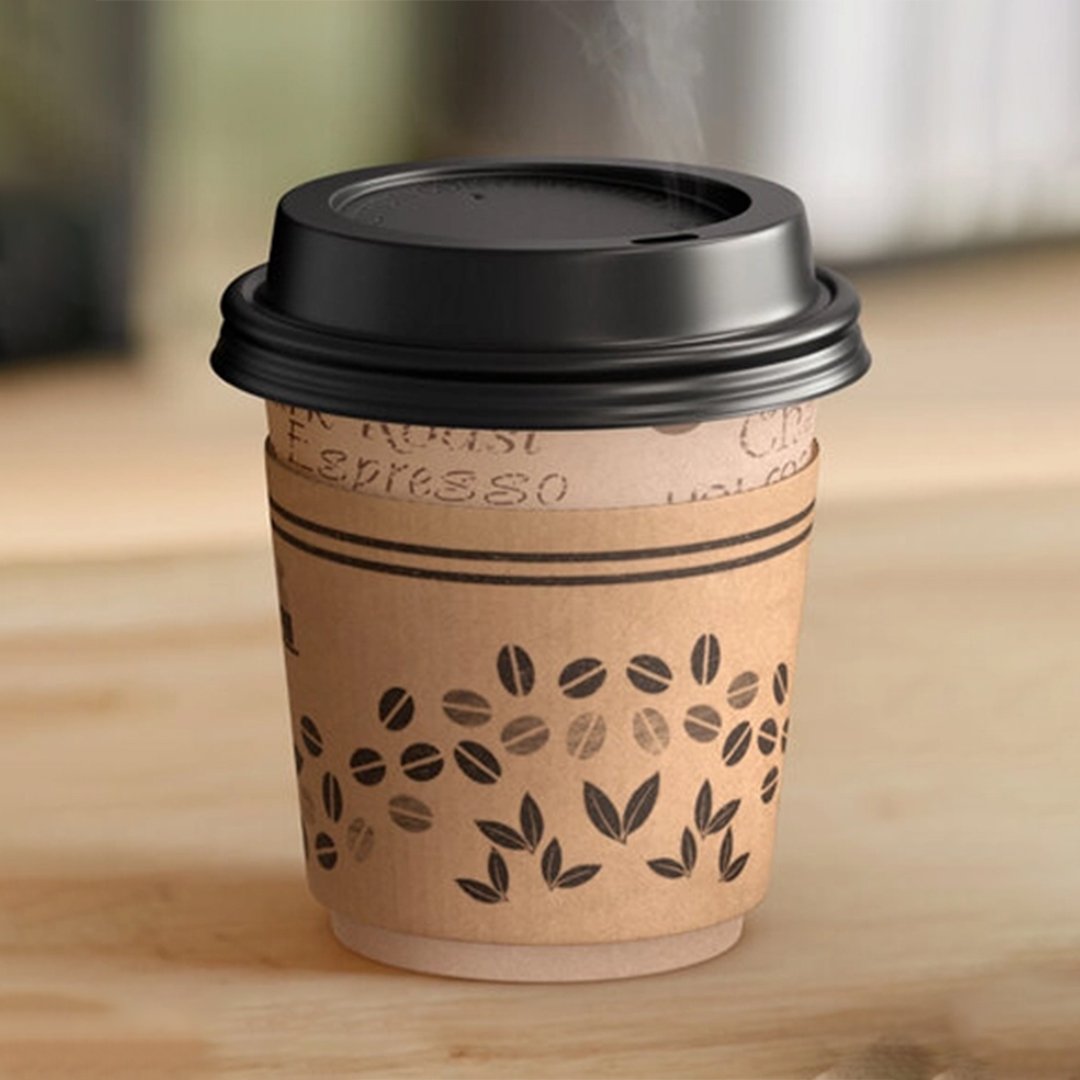
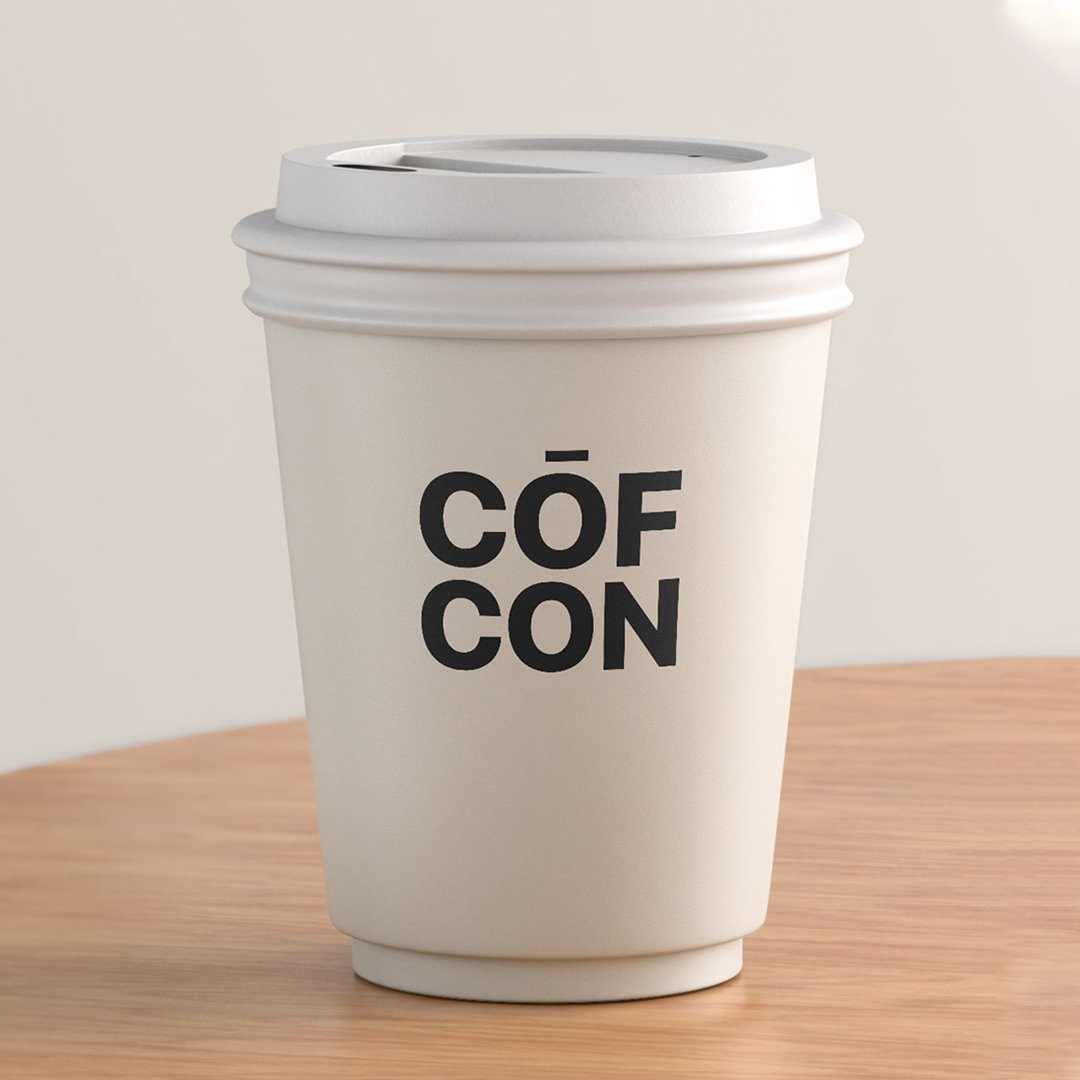
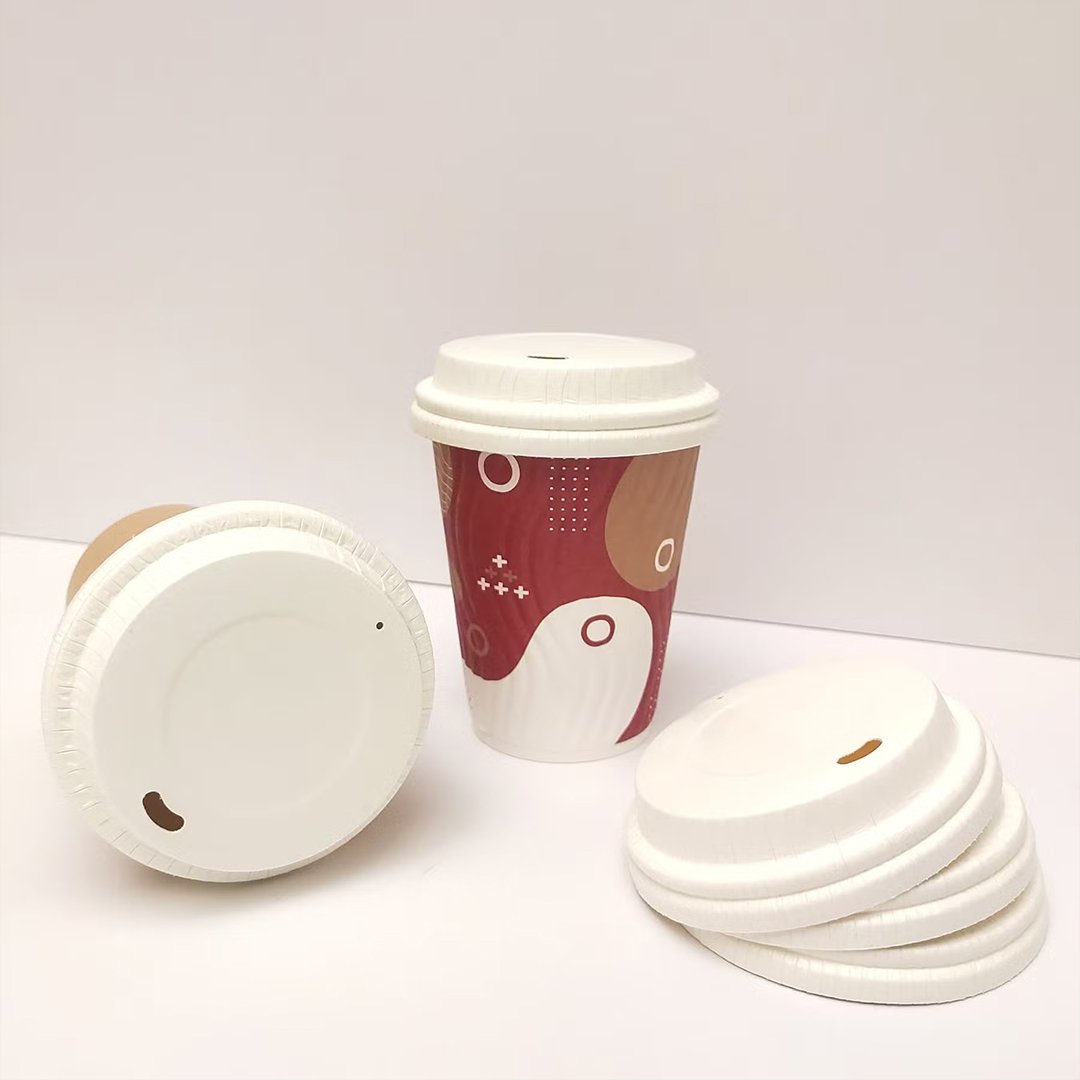
Paper cup covers are designed to create a secure seal over beverage cups, helping to reduce spillage during movement and transport. These covers play an important role in takeaway beverage service, where drinks are often carried over distances or placed in cup holders. In many setups, top cover and spill control options are selected to improve handling safety while maintaining convenience for users. The cover fits over the rim of the cup, creating a closure that helps keep the liquid contained while allowing controlled sipping through a designated opening.
The design of paper cup covers focuses on compatibility with various cup sizes and rim types. The edges are shaped to snap securely onto the cup, ensuring that the cover remains in place during handling. This reduces the risk of accidental spills, especially when drinks are moved quickly or placed in bags. The drinking opening is positioned to allow smooth flow while minimizing splashes. For large-scale requirements, a free quote and custom design can help determine the correct dimensions and fit, while free delivery in USA may be available depending on order volume.
Paper cup covers are typically made from materials that balance strength and flexibility. This allows the cover to fit snugly without cracking or losing its shape. The surface remains smooth, ensuring comfortable use while drinking. By combining secure fitting with easy handling, paper cup covers support efficient beverage service across different environments.
Precision Rim Fit Enhancing Spill Resistance And Safety
The effectiveness of a paper cup cover depends largely on how well it fits the rim of the cup. A precise fit ensures that the cover stays in place, reducing the chance of leaks or spills. The design often includes a slightly raised edge that locks onto the cup, creating a secure connection that remains stable during movement.
When compared with lidded paper cups, separate covers provide flexibility, allowing users to pair them with different cup types based on their needs. This adaptability makes paper cup covers suitable for a wide range of beverage applications, from hot drinks to cold beverages.
-
Ensure proper size matching between cup and cover.
-
Maintain clean rim edges for a secure fit.
-
Avoid overfilling cups to prevent leakage.
-
Check seal before transporting beverages.
-
Store covers in dry conditions to maintain shape.
| Feature Focus | Design Element | Functional Outcome | Application | Note |
|---|---|---|---|---|
| Rim Fit | Snap-on edge | Spill reduction | Takeaway drinks | Secure hold |
| Drinking Slot | Sipping opening | Controlled flow | Coffee service | Reduces splashes |
| Material | Flexible structure | Easy fitting | Daily use | Durable |
| Surface Finish | Smooth top | Comfortable use | Travel drinks | Clean feel |
| Stack Design | Nested covers | Easy storage | Bulk supply | Space-saving |
Practical Use In Beverage Handling And Transport
Paper cup covers are widely used in takeaway and on-the-go beverage service, where stability and spill prevention are essential. They help maintain the quality of the drink by keeping it contained and reducing exposure to external elements. This makes them suitable for environments where beverages are frequently moved, such as cafés, events, and delivery services.
In setups where additional support is needed, paper cup covers can be used alongside heat grip support, which helps improve handling of hot beverages. While the cover prevents spillage from the top, sleeves provide insulation, creating a complete solution for safe beverage transport. The combination of these elements ensures that drinks can be carried comfortably without compromising safety.
The design of paper cup covers also supports compatibility with different cup structures. This allows businesses to use a single cover type across multiple cup sizes, simplifying inventory management. The lightweight nature of the covers makes them easy to handle and distribute, supporting efficient service operations.
Controlled Beverage Flow And User Convenience Design
Paper cup covers are designed to allow controlled drinking while minimizing the risk of spills. The drinking opening is shaped to direct the flow of the beverage, making it easier to sip without removing the cover. This is particularly useful in travel situations where removing the cover may not be convenient.
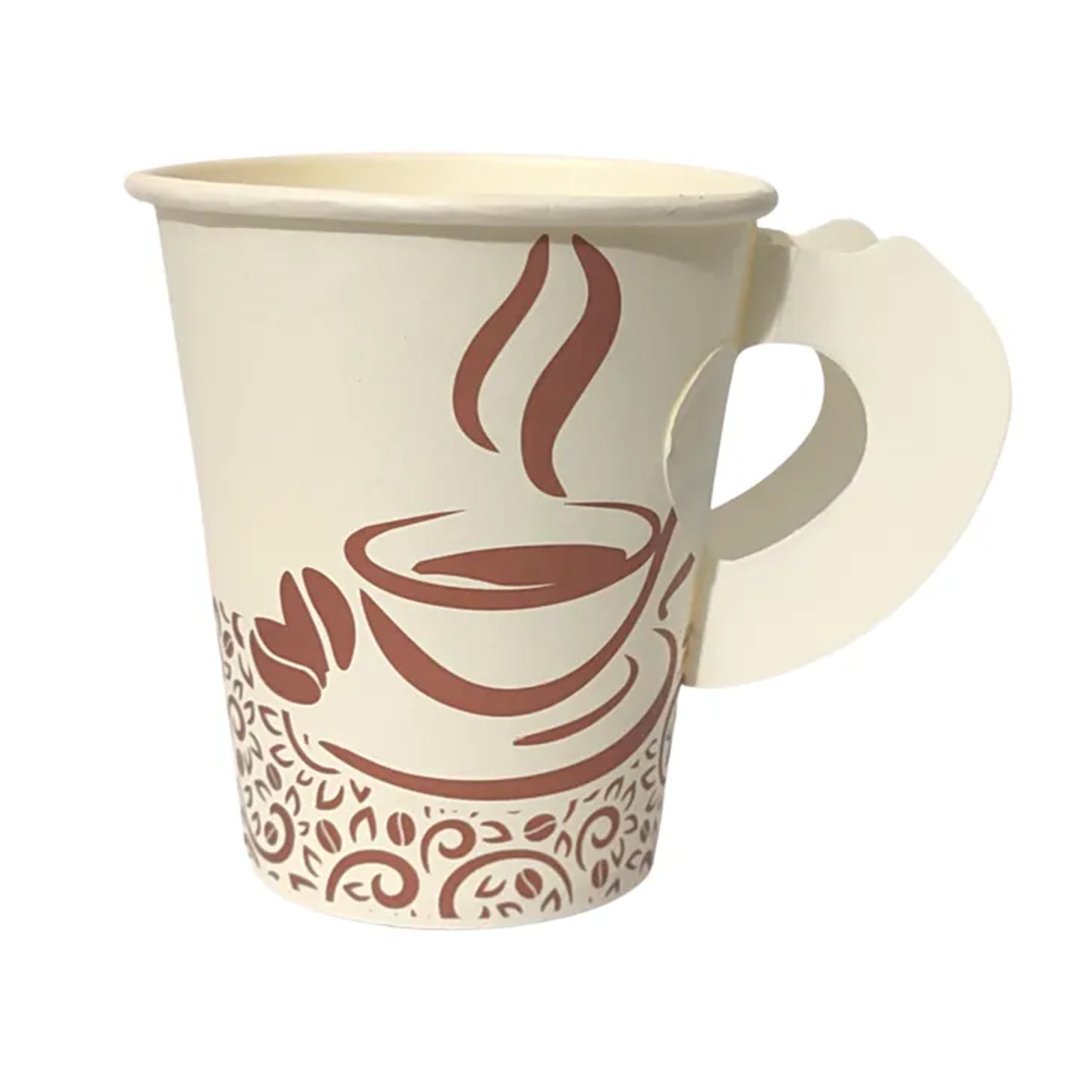
When compared with carry ready structures, such as handled cups, paper cup covers provide a simpler approach to improving usability. They focus on sealing the cup and controlling liquid flow, ensuring that the beverage remains contained during use.
-
Use covers with properly sized drinking openings.
-
Maintain consistent alignment when placing covers.
-
Ensure openings are clear for smooth flow.
-
Avoid tilting cups excessively during use.
-
Dispose of covers after use to maintain hygiene.
| Feature Focus | Usage Element | Benefit | Suitable Use | Tip |
|---|---|---|---|---|
| Drinking Slot | Controlled opening | Easy sipping | Travel drinks | Prevent spills |
| Cover Fit | Secure placement | Stability | Takeaway | Check seal |
| Lightweight Build | Easy handling | Convenience | Events | Quick use |
| Compatibility | Multiple cup sizes | Flexibility | Cafés | Simplifies stock |
| Surface Design | Smooth finish | Comfort | Daily use | Clean experience |
Material Selection And Structural Strength Of Covers
Paper cup covers are produced using materials that provide durability while maintaining flexibility. The material must be strong enough to hold its shape while fitting securely onto the cup. This balance ensures that the cover remains functional during use without becoming difficult to apply or remove.
The structure is designed to withstand pressure during handling, such as when cups are carried in holders or bags. The edges are reinforced to maintain the seal, while the top surface is shaped to support the drinking opening. This ensures that the cover performs consistently across different beverage conditions.
When used with large drink travel use cups, paper cup covers become essential for maintaining stability during transport. Larger beverages require secure sealing to prevent spillage, especially when carried over longer distances. The cover helps keep the drink contained while allowing easy access for drinking.
Reinforced Edges Supporting Secure Attachment Stability
The edges of paper cup covers are designed to grip the rim of the cup securely. This ensures that the cover does not come loose during movement. The reinforced structure helps maintain the shape of the cover, even when pressure is applied during handling.
Compared with standard cup openings, the addition of a cover provides an extra layer of protection. It helps prevent external contaminants from entering the drink while also reducing the chance of spills. This makes paper cup covers a practical addition to beverage service systems.
-
Use reinforced edges for secure attachment.
-
Ensure compatibility with cup rim design.
-
Maintain material flexibility for easy fitting.
-
Protect covers from deformation during storage.
-
Replace damaged covers before use.
| Feature Focus | Structural Element | Performance Result | Application | Note |
|---|---|---|---|---|
| Edge Design | Reinforced rim | Secure fit | Takeaway drinks | Prevents leaks |
| Material Strength | Flexible layer | Durability | Daily use | Easy application |
| Top Surface | Molded shape | Stability | Travel | Holds form |
| Seal Quality | Tight closure | Spill control | Delivery | Reliable |
| Stack Design | Nested covers | Storage ease | Bulk supply | Quick access |
Storage Handling And Operational Efficiency
Paper cup covers are designed for efficient storage and quick handling in high-volume environments. Their stackable design allows large quantities to be stored in compact spaces, making them suitable for both small and large operations. Proper storage conditions help maintain the integrity of the material, ensuring consistent performance during use.
Keeping covers in a dry environment helps prevent deformation and maintains their flexibility. Proper stacking ensures that the covers remain easy to separate, reducing delays during service. This supports efficient workflows in environments where speed and accuracy are important.
In beverage service operations, paper cup covers contribute to overall efficiency by reducing spills and simplifying transport. Their design allows them to be applied quickly, supporting fast-paced service without compromising safety.
Storage Conditions That Maintain Cover Quality And Shape
Maintaining proper storage conditions helps ensure that paper cup covers perform as expected. Keeping them in clean, dry spaces prevents damage and preserves their shape. Organized storage allows for easy access, ensuring that covers are readily available when needed.
Because paper cup covers are used frequently, maintaining a consistent supply is important for smooth operations. Proper inventory management ensures that covers are available when required, supporting uninterrupted service.
-
Store covers in dry and clean conditions.
-
Keep stacks aligned to maintain shape.
-
Avoid excessive pressure during storage.
-
Handle covers carefully during transport.
-
Rotate stock to maintain quality.
| Feature Focus | Storage Method | Benefit | Use Case | Tip |
|---|---|---|---|---|
| Environment | Dry storage | Maintains shape | Warehousing | Avoid humidity |
| Stacking | Organized piles | Easy access | Cafés | Quick retrieval |
| Handling | Careful movement | Preserves structure | Transport | Reduce pressure |
| Inventory | Stock rotation | Consistency | Operations | Maintain supply |
| Accessibility | Ready placement | Efficient service | Counters | Saves time |
Paper cup covers provide an essential solution for managing beverages during transport and use. Their design supports spill prevention, secure fitting, and controlled drinking, making them a practical addition to beverage service systems. By maintaining proper storage and handling practices, these covers deliver consistent performance while improving overall efficiency in daily operations.