

Description
Large Paper Cups For High Volume Beverage Service
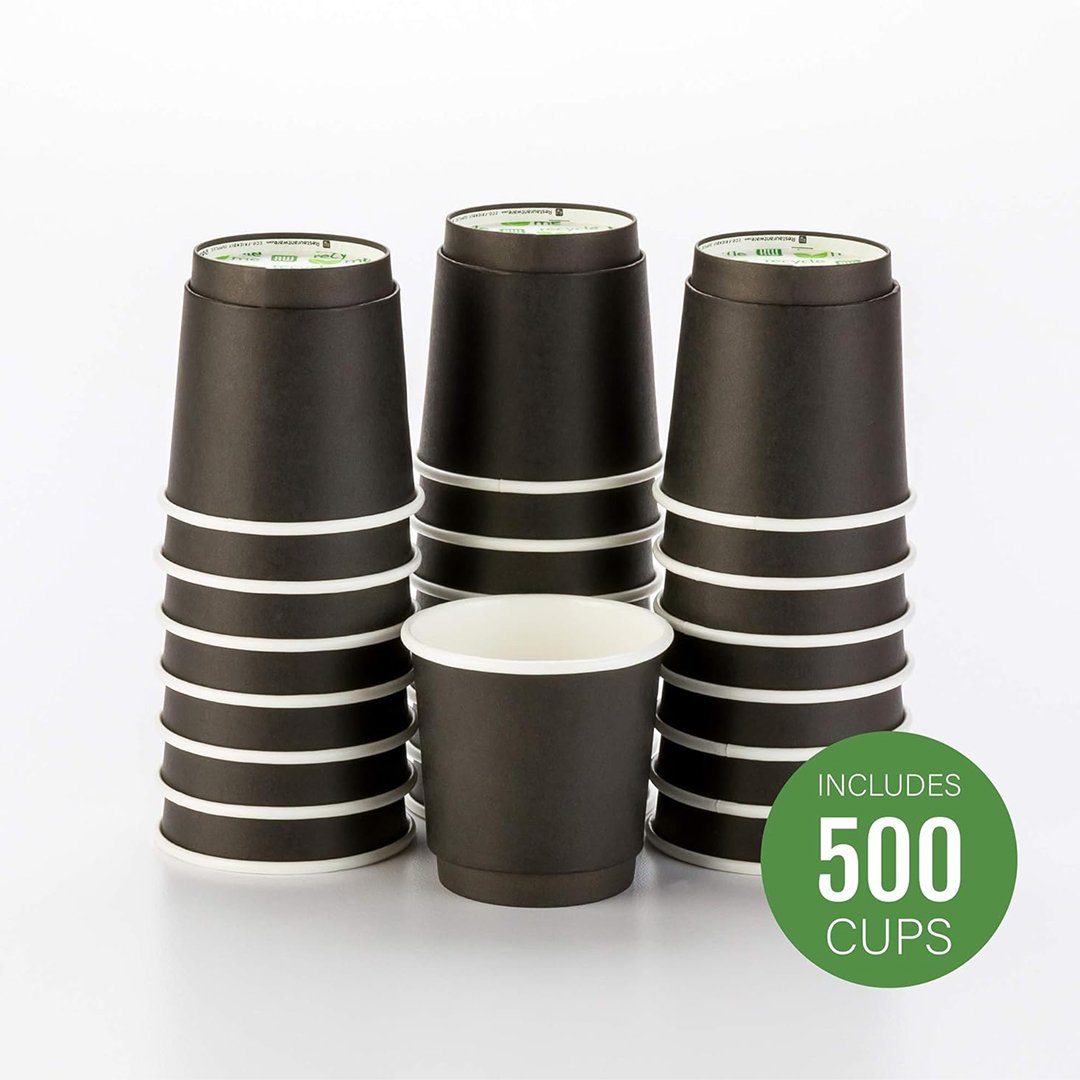
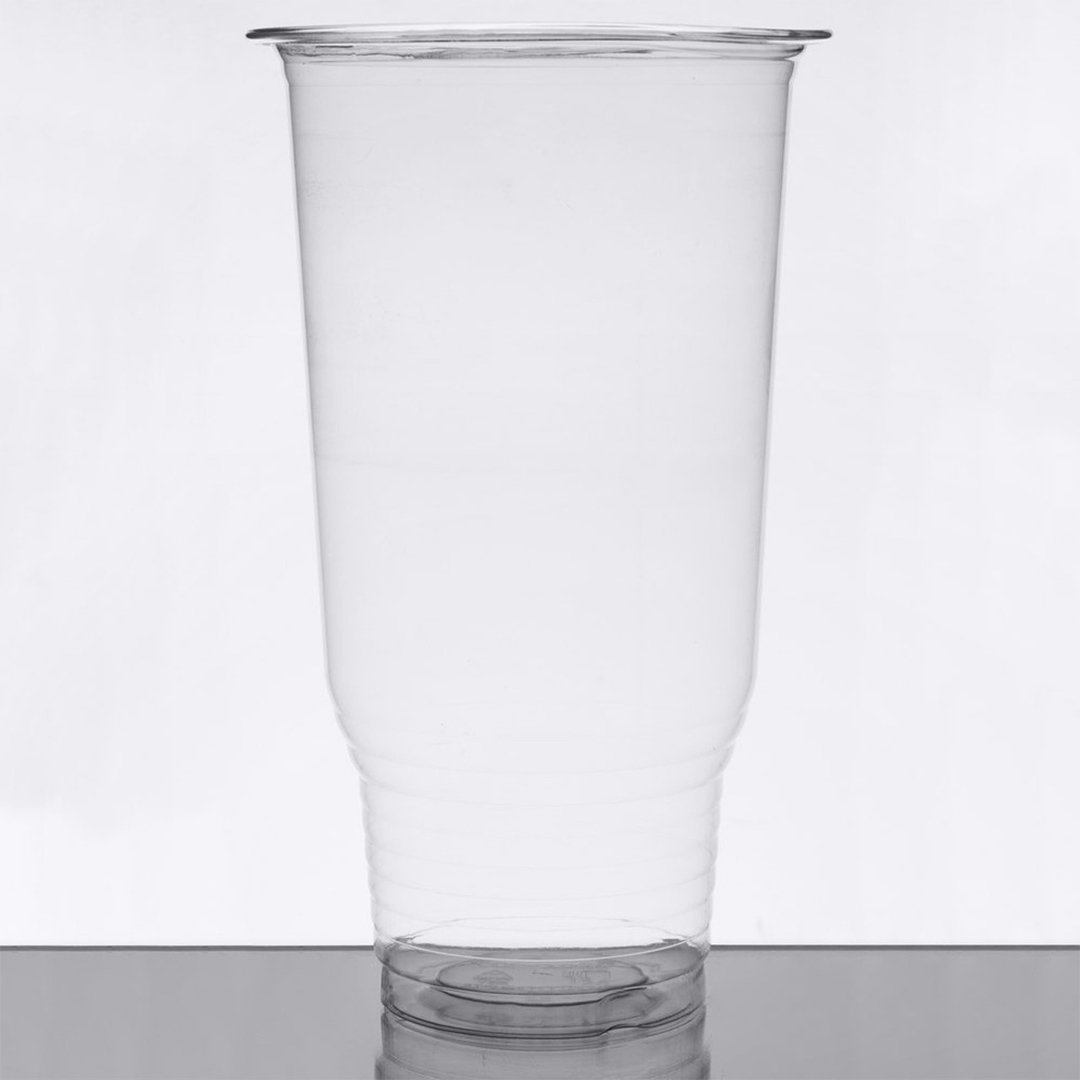
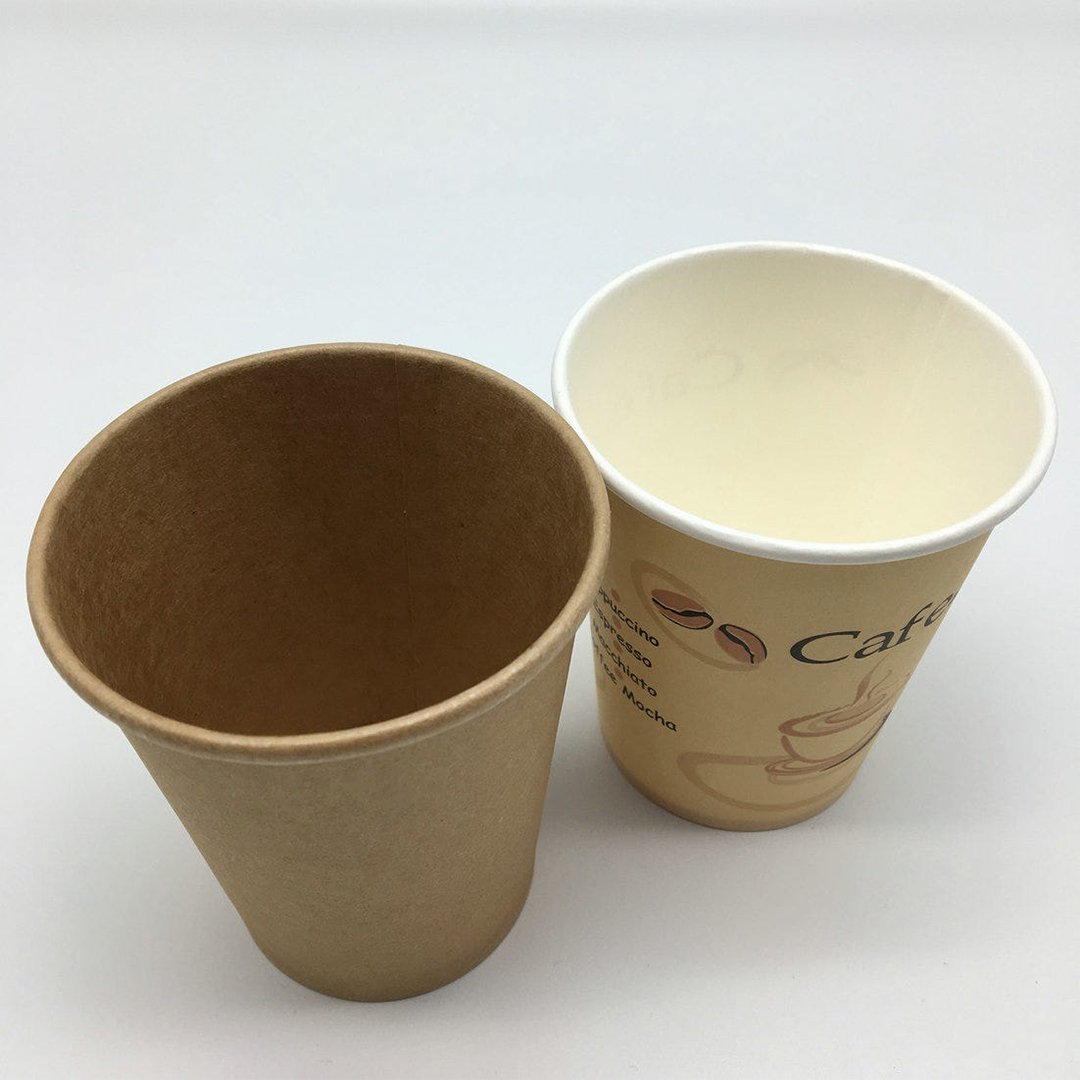
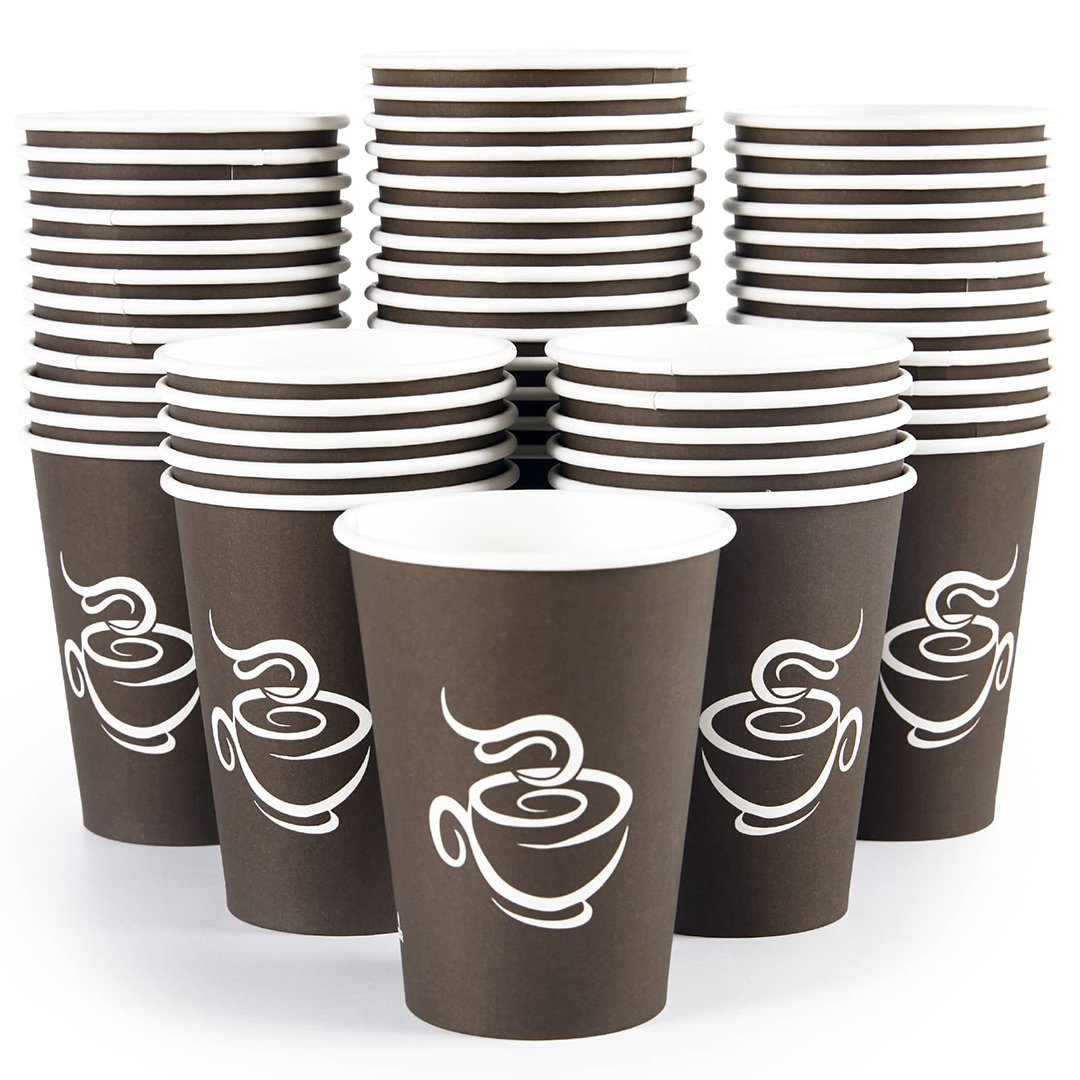
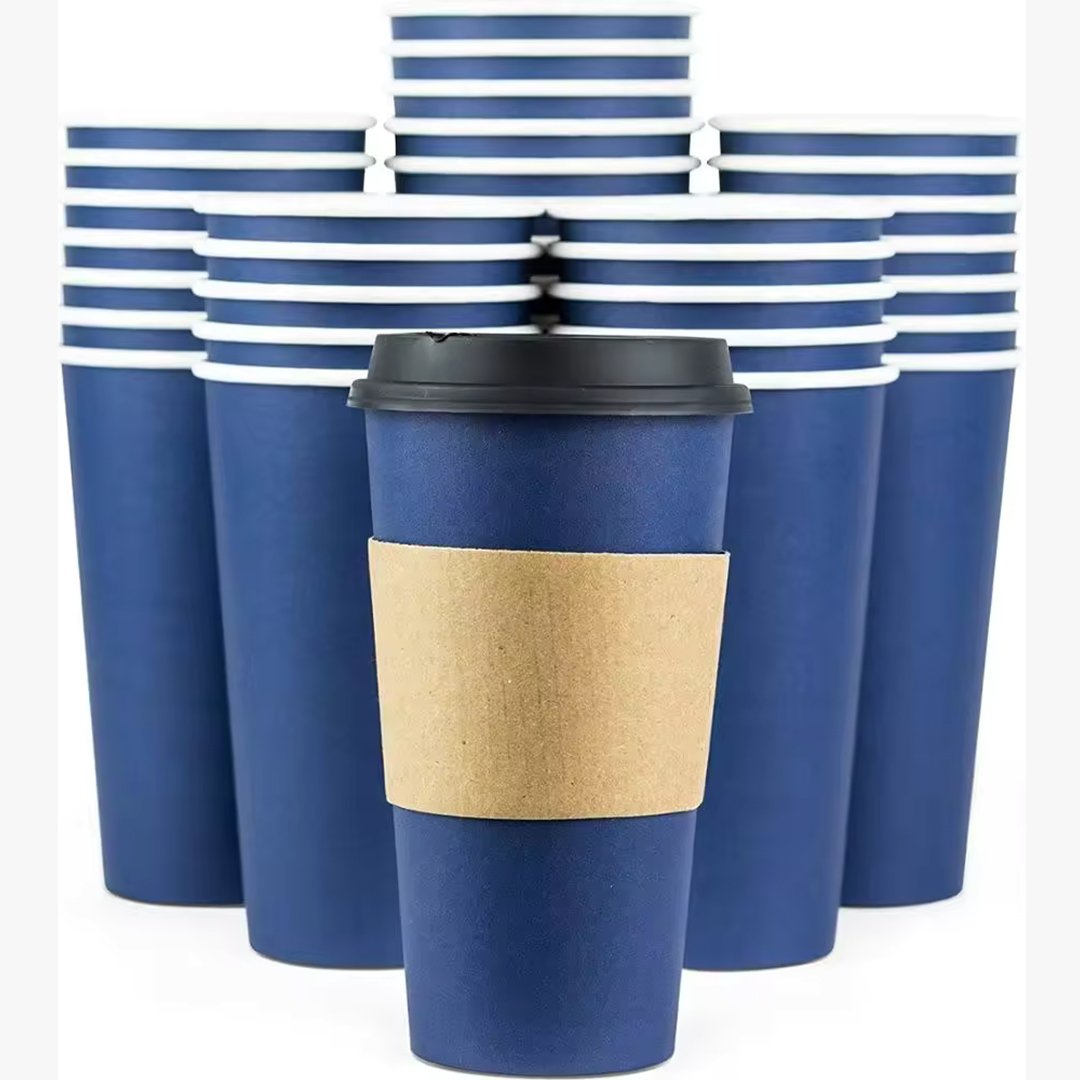
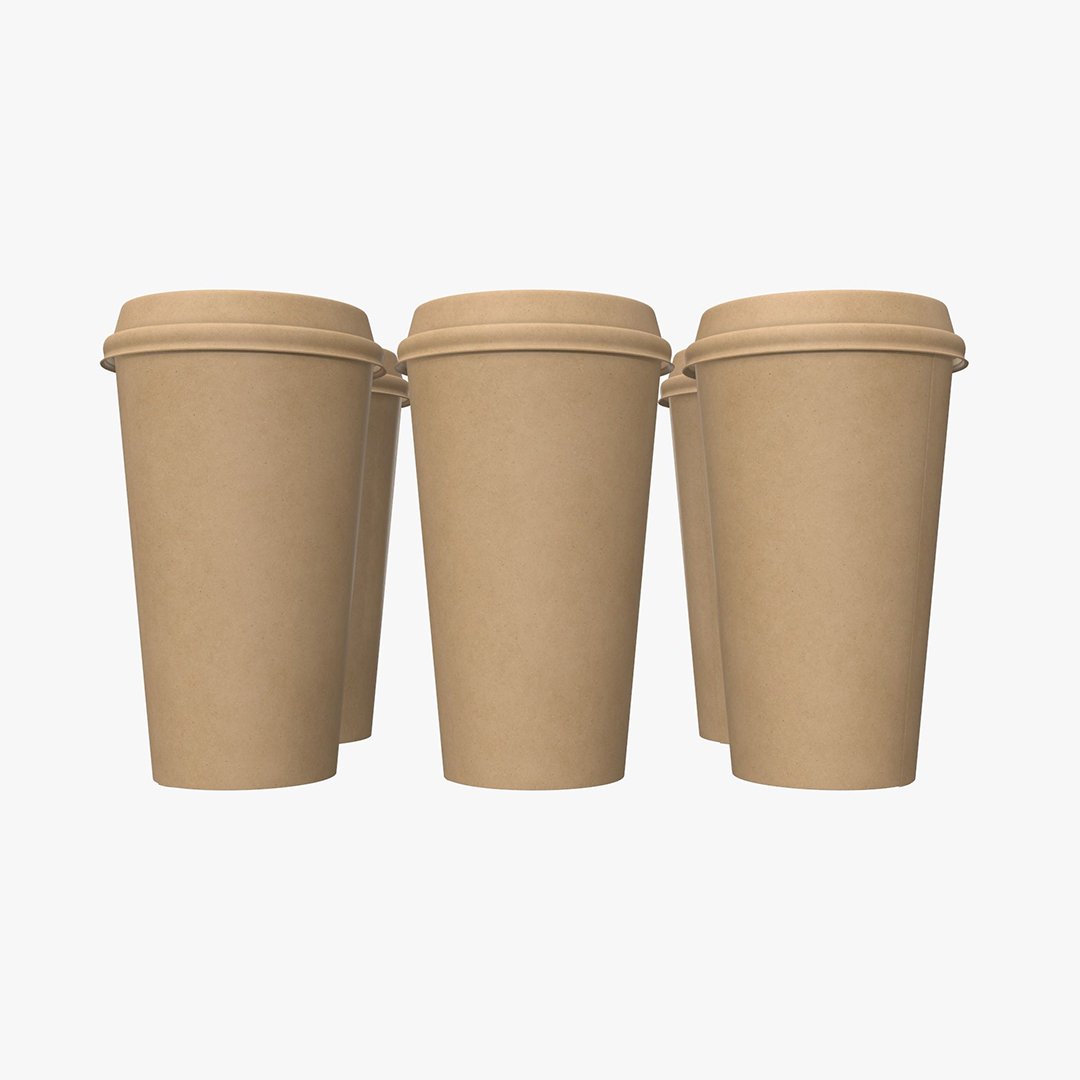
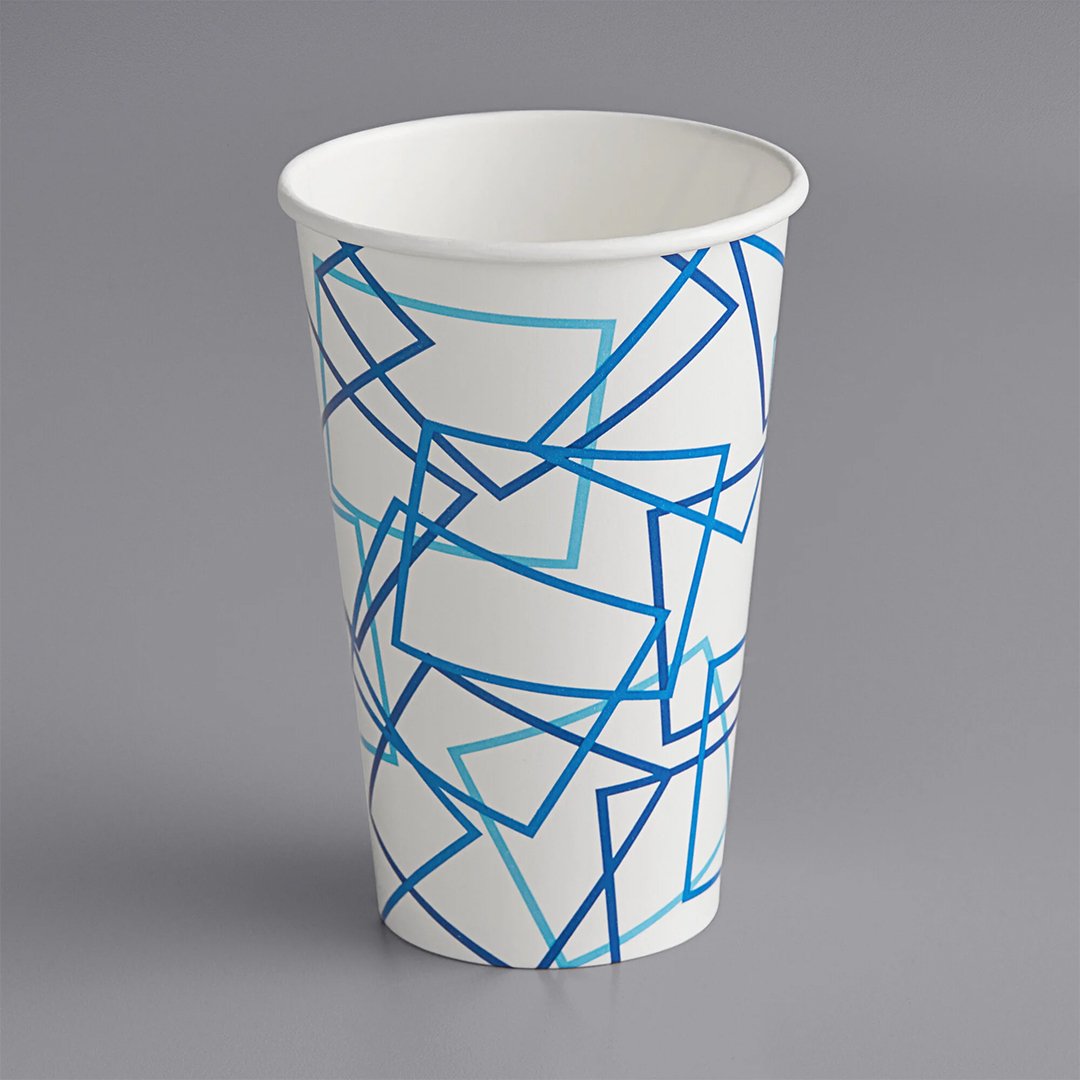
Large paper cups provide generous serving solutions for beverages ranging from 16 to 32 ounces accommodating customer preferences for substantial drink portions. These oversized containers serve coffee, tea, smoothies, soft drinks, and specialty beverages throughout coffee shops, convenience stores, fast-casual restaurants, and concession operations. Professional establishments rely on large cups meeting demand for value-oriented servings while maintaining quality presentation and structural integrity. The large drink servings demonstrates how substantial cup sizes deliver customer satisfaction through generous portions supporting competitive positioning in beverage-focused markets.
Food service operations benefit from large cup versatility across multiple beverage types and temperature ranges. Cold drinks maintain structural integrity throughout extended consumption periods. Hot beverages require enhanced insulation preventing customer discomfort. Specialty drinks benefit from capacity accommodating ice, toppings, and ingredients. Our 100-unit minimum orders make professional large cup service accessible to operations establishing value programs or expanding beverage menus without excessive inventory commitments.
Understanding Large Cup Size Standards
Large paper cups typically encompass 16-24 ounce standard sizes and 24-32 ounce extra-large formats serving distinct customer preferences and occasions. Sixteen-ounce cups represent entry-level large sizing. Twenty-ounce formats deliver substantial servings. Twenty-four-ounce options provide generous portions. Thirty-two-ounce sizes accommodate maximum capacity demands. Size selection depends on menu positioning, target demographics, and competitive market analysis.
Customer expectations vary by beverage type and consumption context. Coffee drinkers appreciate 16-20 ounce sizes for extended enjoyment. Soft drink consumers often select 24-32 ounce formats maximizing value. Smoothie customers expect 20-24 ounce servings accommodating ingredients and ice. Understanding these patterns guides menu development and inventory planning throughout diverse beverage service applications.
| Cup Size Category | Typical Capacity | Common Applications | Target Demographic | Service Context |
|---|---|---|---|---|
| Large (16 oz) | 473 ml | Large coffee, tea, fountain drinks | Daily commuters | Quick service |
| Extra Large (20 oz) | 591 ml | Premium coffee, smoothies, shakes | Value seekers | Extended consumption |
| Jumbo (24 oz) | 710 ml | Specialty drinks, iced beverages | Young adults | Social occasions |
| Super Size (32 oz) | 946 ml | Fountain drinks, shared beverages | Families, teens | Entertainment venues |
| Custom Sizes | Variable | Signature beverages | Brand-specific | Unique positioning |
Market Demand For Oversized Servings Trends
Consumer preferences increasingly favor larger beverage portions reflecting value perceptions and lifestyle patterns. Morning commuters seek coffee lasting entire drives. Office workers prefer drinks sustaining through meetings. Students desire beverages supporting long study sessions. These consumption patterns drive demand for cups exceeding traditional sizing supporting extended satisfaction. The oversized beverages market segment continues expanding as businesses respond to customer preferences for substantial servings justifying premium pricing through generous portions.
Market research consistently shows customers associate larger sizes with better value despite higher absolute costs. Per-ounce pricing advantages make large formats economically attractive. This perception creates opportunities for businesses increasing check averages through strategic upselling programs.
Large format demand drivers include:
- Value perception associated with generous portions
- Extended consumption throughout activities and commutes
- Social media appeal of oversized specialty drinks
- Lifestyle preferences for convenience and sustainability
- Competitive positioning through size-based differentiation
Beverage-specific sizing considerations include:
- Hot coffee: 16-20 oz for optimal temperature maintenance
- Iced coffee: 20-24 oz accommodating ice volume
- Smoothies: 20-24 oz for ingredient capacity
- Fountain drinks: 24-32 oz maximizing value appeal
- Specialty drinks: Variable based on recipe requirements
Understanding ingredient ratios and ice requirements prevents customer dissatisfaction from insufficient capacity. Proper sizing ensures attractive presentation without excessive headspace or spillover risks affecting customer experience and operational efficiency.
Material Construction And Performance
Large paper cups require robust materials supporting substantial liquid weights while maintaining structural integrity throughout extended use. Heavy-duty paperboard ranging from 280-350 GSM provides necessary strength. Enhanced coating systems prevent moisture penetration and maintain rigidity. Reinforced rim construction prevents crushing and facilitates comfortable drinking. Quality materials directly impact customer satisfaction and brand perception throughout beverage service operations.
Large cup construction demands substantial paperboard maintaining shape under significant liquid weight. Standard large cups utilize 280-300 GSM materials. Extra-large formats require 300-330 GSM for adequate strength. Jumbo sizes often employ 330-350 GSM preventing collapse. Material weight directly correlates with structural performance and cost positioning throughout operational applications. Understanding takeaway drinks requirements helps businesses select materials supporting portable consumption without structural failures.
Material performance characteristics include:
- Heavy-weight construction supporting liquid capacity
- Structural rigidity preventing collapse when filled
- Rim strength maintaining shape during handling
- Bottom integrity preventing leaks under pressure
- Print surface quality enabling detailed graphics
Material testing validates performance under real-world conditions. Load testing confirms capacity support. Temperature cycling ensures coating integrity. Drop testing simulates handling stress. Comprehensive validation prevents field failures affecting customer satisfaction and brand reputation.
| Material Specification | Standard Large | Premium Large | Extra-Large | Jumbo/Super | Specialty Construction |
|---|---|---|---|---|---|
| Paperboard Weight | 280-300 GSM | 300-320 GSM | 320-340 GSM | 340-360 GSM | Custom specification |
| Coating Type | Standard PE | Enhanced PE | Double PE | Premium PE | Bio-based options |
| Insulation Level | Basic | Good | Enhanced | Maximum | Double-wall available |
| Structure | Single-wall | Single-wall | Single-wall | Single-wall | Double-wall optional |
| Best Use | General service | Quality programs | Value sizing | Maximum capacity | Premium positioning |
Advanced Coating Technologies And Surface Control
Effective coatings prevent liquid penetration while supporting hot beverage temperatures. Polyethylene coating delivers reliable moisture barriers across temperature ranges. Double-coating applications enhance performance for demanding uses. Bio-based coating alternatives support environmental positioning. Coating quality affects leak prevention, temperature maintenance, and customer comfort throughout beverage consumption experiences.
Coating performance factors include:
- Complete liquid barriers preventing leakage
- Heat insulation protecting hands from hot contents
- Temperature stability maintaining performance
- Lip comfort avoiding unpleasant sensations
- Environmental compatibility supporting sustainability
Quality coating application ensures consistent performance across production runs. Even coverage prevents weak points. Proper adhesion maintains long-term integrity. Testing validates performance under varied conditions preventing failures affecting operational reliability.
The Double Wall Construction Options
Double-wall cups provide superior insulation eliminating sleeve requirements. Two paperboard layers with air gap create effective thermal barriers. Premium construction suggests quality positioning. Enhanced protection improves customer comfort. Higher material costs justify through perceived value and enhanced functionality across premium beverage programs.
Double-wall advantages include:
- Superior insulation eliminating accessory requirements
- Premium perception supporting higher pricing
- Enhanced structural strength for heavy drinks
- Improved grip comfort during handling
- Distinctive appearance differentiating offerings
Double-wall construction particularly suits premium coffee programs and specialty beverage operations where enhanced customer experience justifies additional material investment through competitive positioning and customer loyalty development.
Design And Branding Applications For Added Protection
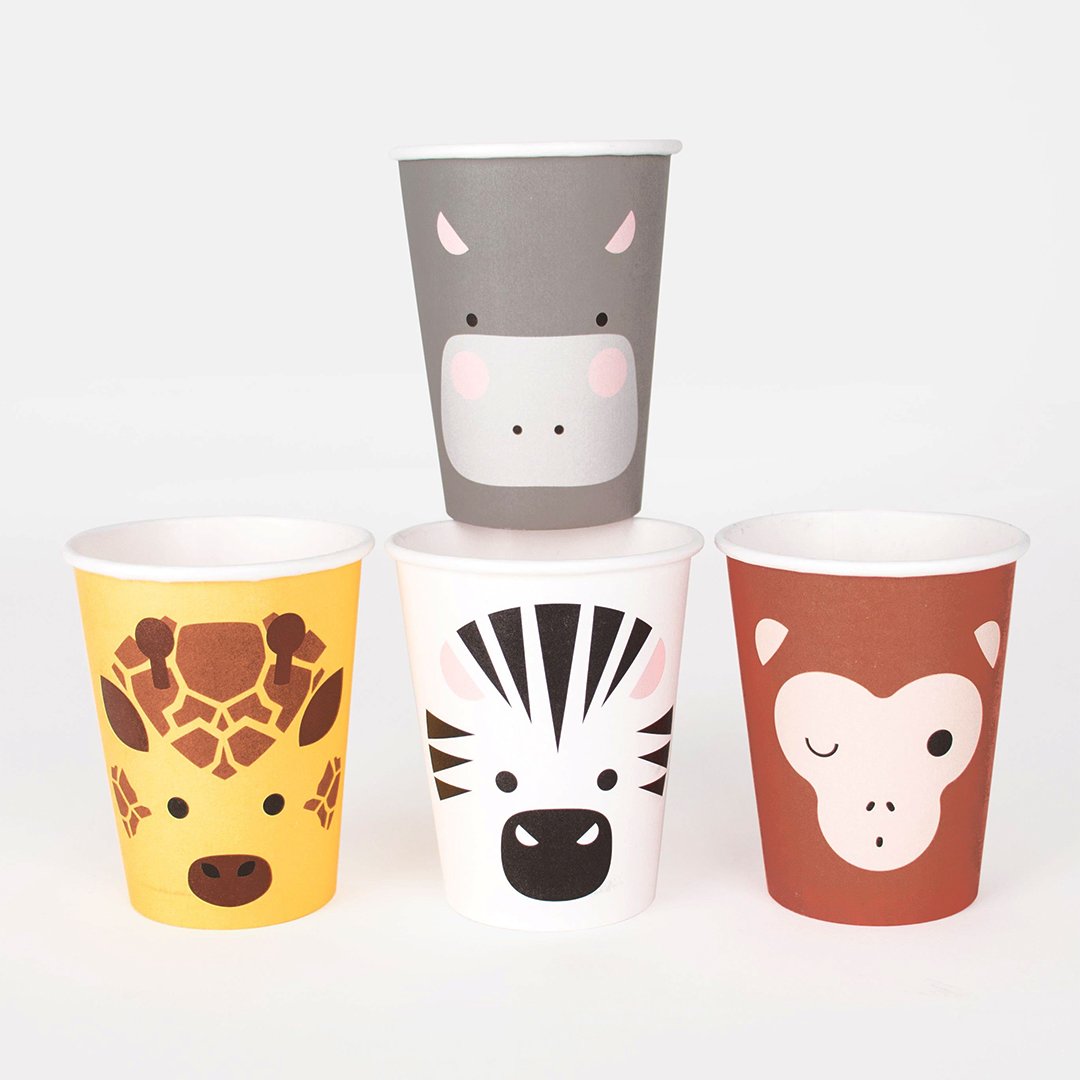
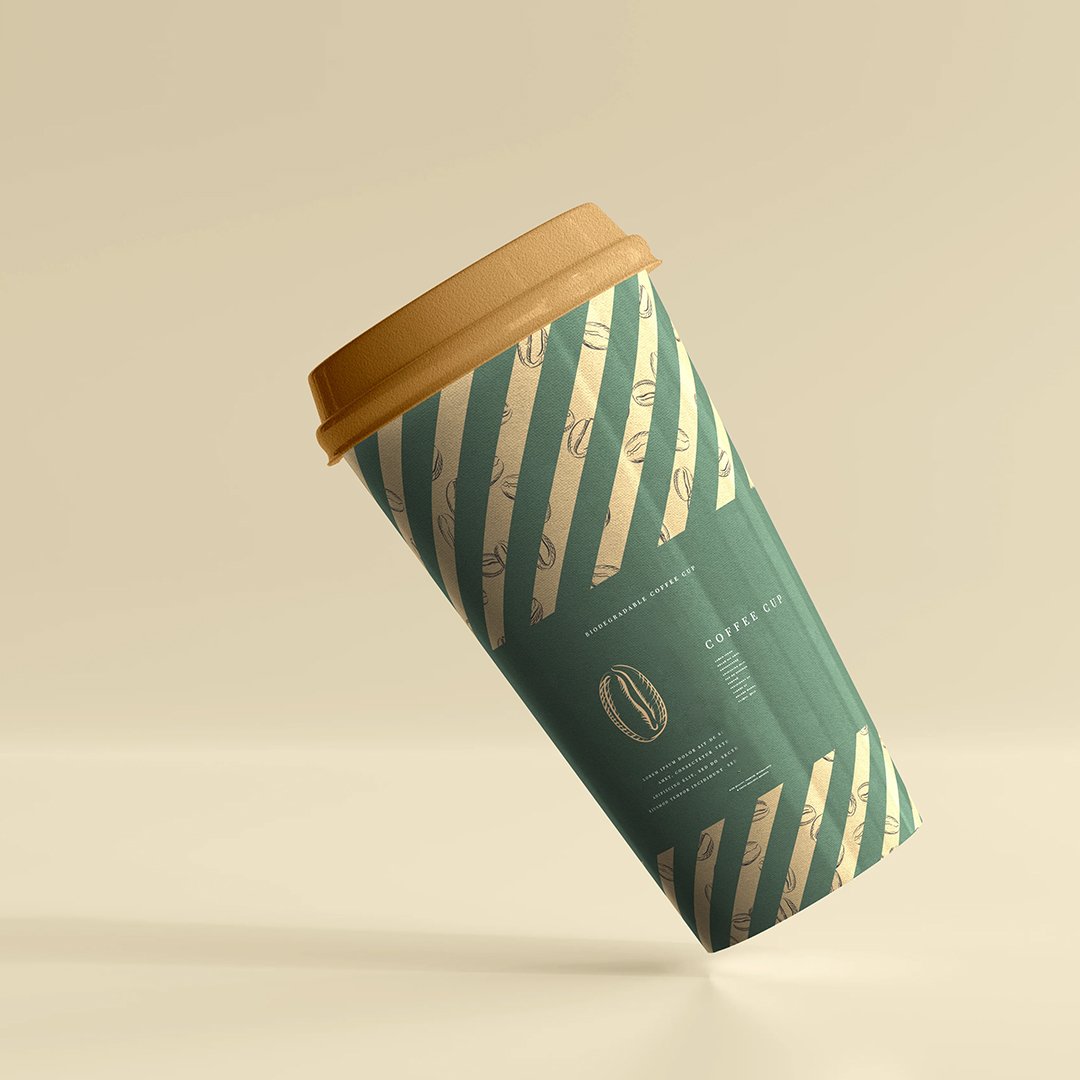
Large cup surfaces provide substantial branding opportunities maximizing visual impact and marketing reach. Generous dimensions accommodate detailed graphics, promotional messaging, and sophisticated designs impossible on smaller formats. Strategic branding transforms functional containers into mobile marketing platforms reaching audiences throughout communities as customers transport beverages.
Large cup circumference and height provide exceptional print area compared to standard sizes. Full-wrap designs create 360-degree brand presence. Vertical space accommodates messaging hierarchy. Substantial surfaces enable photography and detailed illustrations. Strategic design utilization maximizes marketing return on packaging investment throughout oversized cup options where generous dimensions support comprehensive brand communication.
Design optimization strategies include:
- Full-wrap graphics maximizing brand exposure
- Vertical space for layered messaging
- Large logos ensuring visibility from distance
- Detailed graphics impossible on smaller formats
- QR codes and interactive elements
Design complexity scales appropriately with cup size. Large formats justify sophisticated graphics. Investment in quality design produces substantial returns through enhanced brand recognition and customer engagement across extensive mobile visibility.
Premium Finishing Effects For Brand Presentation
Large cups support specialty finishing creating luxurious appearances distinguishing premium programs. Matte coatings provide sophisticated bases. Gloss highlights create visual interest. Spot UV emphasizes specific elements. Metallic inks add premium touches. Embossing produces dimensional branding customers notice during handling.
Premium finishing options include:
- Matte coating for sophisticated appearance
- Spot gloss creating contrast and emphasis
- Metallic inks delivering premium accents
- Embossing producing tactile branding
- Combination finishes maximizing impact
Specialty finishing justifies through perceived value supporting premium pricing strategies. Customer appreciation and social sharing amplify marketing return on finishing investments creating memorable brand interactions.
| Design Feature | Economy Approach | Standard Design | Premium Design | Ultra-Premium | Custom Signature |
|---|---|---|---|---|---|
| Color Usage | 1-2 colors | 2-3 colors | Full color CMYK | Full + Pantone | Unlimited + effects |
| Graphics | Simple logo | Logo + patterns | Detailed designs | Photography | Custom artwork |
| Finishing | None | Basic coating | Spot UV/Gloss | Multiple finishes | Signature effects |
| Complexity | Minimal | Moderate | High | Very High | Maximum |
| Brand Impact | Basic recognition | Good visibility | Strong presence | Luxury perception | Distinctive identity |
Temperature Management And Insulation
Hot coffee, tea, and specialty drinks create burn risks requiring adequate protection. Single-wall cups typically need sleeves providing comfortable holding. Double-wall construction eliminates accessory requirements through integrated insulation. Material thickness contributes to thermal resistance. Proper protection maintains customer comfort while preventing liability concerns throughout hot beverage use where safety considerations remain paramount alongside service quality.
Large cups containing hot beverages require effective insulation protecting customers from burns while maintaining drinkable temperatures. Single-wall construction often necessitates sleeves. Double-wall designs provide integrated insulation. Material weight affects thermal properties. Coating systems influence heat transfer. Understanding insulation principles guides appropriate cup selection matching beverage temperatures and holding durations.
Heat protection considerations include:
- Adequate insulation preventing customer discomfort
- Comfortable holding throughout consumption duration
- Temperature maintenance for beverage quality
- Safety compliance preventing burn injuries
- Operational efficiency minimizing accessory needs
Temperature testing validates protection adequacy across expected holding periods. Comfort assessments ensure customer satisfaction. Safety evaluations prevent liability risks. Comprehensive validation supports confident cup selection meeting operational requirements.
Cold Beverage Condensation Management
Large cold drinks generate substantial condensation affecting grip comfort and surface protection. Quality coating prevents moisture penetration weakening structure. Condensation management becomes important for extended holding. Surface treatments can reduce external moisture accumulation. Customer comfort and structural integrity both depend on effective moisture control throughout cold beverage service.
Cold drink performance factors include:
- Structural integrity maintenance when wet
- Grip comfort despite external moisture
- Coating performance preventing penetration
- Bottom strength supporting liquid weight
- Aesthetic appearance throughout consumption
Material selection considers both internal liquid containment and external moisture management ensuring reliable performance across varied beverage temperatures and environmental conditions.
Storage And Logistics Considerations
Large cup dimensions create storage challenges requiring strategic space management. Oversized formats occupy more shelf space than standard sizes. Bulk ordering provides economic advantages but demands adequate storage capacity. Efficient organization maximizes limited space. Proper storage prevents damage maintaining product quality throughout inventory cycles.
Large cup storage demands vertical utilization and organized systems maximizing available space. Stackable packaging enables high-density storage. Protective sleeves prevent crushing during storage. Strategic placement near usage points improves operational efficiency. Proper organization supports FIFO rotation ensuring stock freshness.
Storage optimization approaches include:
- Vertical stacking maximizing height utilization
- Protective packaging preventing damage
- Organized zones by size and type
- Usage-point proximity reducing handling
- FIFO systems maintaining stock rotation
Space constraints often limit large cup inventory requiring balanced ordering maintaining adequate availability without excessive storage burden. Strategic planning optimizes space utilization supporting operational needs.
Inventory Management Strategies And Stock Planning
Large cup inventory requires careful planning balancing availability against storage limitations and capital investment. Usage forecasting guides order quantities. Seasonal variations affect demand patterns. Supplier reliability influences safety stock requirements. The large capacity cups demands comprehensive inventory strategies ensuring consistent availability supporting uninterrupted service throughout peak demand periods.
Effective inventory management prevents both stockouts affecting service and excess stock consuming capital and space. Automated systems maintain optimal levels. Supplier partnerships ensure reliable availability supporting operational continuity.
Inventory planning considerations include:
- Historical consumption data and trends
- Seasonal demand fluctuations and patterns
- Storage capacity constraints and limitations
- Supplier lead times affecting reorders
- Economic order quantities optimizing costs
Operational Efficiency And Service Speed
Large cup service must maintain speed during peak periods despite increased filling time and handling requirements. Efficient workflows position cups strategically within service sequences. Staff training optimizes filling procedures. Equipment compatibility ensures smooth integration. Proper systems prevent bottlenecks maintaining customer satisfaction during high-volume periods.
Large cup filling requires appropriate techniques maintaining speed without sacrificing accuracy. Beverage-specific procedures optimize efficiency. Ice dispensing methods affect speed. Ingredient additions need systematic approaches. Staff training standardizes procedures ensuring consistency across shifts and team members.
Operational efficiency factors include:
- Standardized filling procedures for consistency
- Strategic cup positioning in workflows
- Efficient ice and ingredient dispensing
- Quality control maintaining standards
- Equipment compatibility supporting speed
Workflow optimization prevents service delays during rushes. Efficient procedures maintain throughput. Proper training ensures staff competency. Comprehensive systems support operational excellence.
Equipment Compatibility Verification For Packing
Large cups must fit existing dispensers, holders, and machinery. Cup holder dimensions accommodate varying sizes. Dispenser compatibility prevents service interruptions. Lid matching ensures proper sealing. Equipment verification during selection prevents operational complications after implementation.
Compatibility verification includes:
- Cup holder and carrier sizing
- Dispenser and storage equipment
- Lid compatibility and sealing
- Filling station clearances
- Customer handling and transport
Pre-implementation testing identifies compatibility issues enabling resolution before operational deployment. Comprehensive verification prevents disruptions affecting service quality and customer satisfaction.