



Description
Small Cardboard Cups For Compact Beverage Service
Small cardboard cups provide efficient serving solutions for beverages ranging from 2 to 8 ounces accommodating espresso, samples, children’s drinks, and portion-controlled servings across diverse food service environments. These compact containers deliver professional presentation while optimizing material costs and storage efficiency throughout coffee shops, healthcare facilities, schools, and catering operations. Businesses rely on small cups meeting demand for appropriate portion sizes without excessive waste or expense. The insulated beverage cups demonstrates how compact formats deliver thermal protection and quality presentation supporting customer satisfaction across varied beverage temperatures and service contexts.
Small format popularity continues growing as consumers seek appropriate portions matching consumption patterns and health consciousness. Waste reduction initiatives favor right-sized servings. Specialty beverage trends embrace concentrated flavors in smaller volumes. Sampling programs drive product discovery. Understanding market dynamics helps businesses capitalize on small cup applications through strategic menu development and service innovation.
Understanding Small Cup Size Classifications
Customer preferences vary based on beverage type, consumption context, and demographic factors. Coffee enthusiasts appreciate authentic espresso portions in 2-3 ounce cups. Parents seek appropriate children’s servings in 4-6 ounce formats. Health-conscious consumers prefer portion-controlled sizes limiting intake. Sample programs balance generosity with cost efficiency through 3-4 ounce selections throughout small serving sizes where appropriate portioning supports both customer satisfaction and operational economics.
Small cardboard cups typically encompass 2-8 ounce capacities serving distinct purposes across food service and healthcare applications. Two-ounce cups handle espresso and medicine portions. Four-ounce formats accommodate children’s drinks and samples. Six-ounce sizes serve small beverages and generous tastings. Eight-ounce cups represent upper small-format limits approaching standard sizing. Classification understanding guides appropriate selection matching specific operational requirements and customer expectations.
| Size Features | Typical Capacity | Primary Applications | Target Users | Service Environment |
|---|---|---|---|---|
| Extra Small (1-2 oz) | 30-60 ml | Espresso, medicine, concentrated samples | Adults, patients | Cafes, healthcare |
| Small (3-4 oz) | 90-120 ml | Ristretto, samples, kids’ drinks | All demographics | Food service, events |
| Medium-Small (5-6 oz) | 150-180 ml | Small beverages, generous samples | Children, adults | Schools, sampling |
| Upper Small (7-8 oz) | 210-240 ml | Small drinks, moderate servings | General public | Quick service |
| Custom Sizes | Variable | Specialized applications | Specific needs | Unique operations |
Specialty coffee serving standards include:
- Ristretto: 1-2 oz for concentrated extraction
- Espresso: 2-3 oz for traditional single shots
- Macchiato: 3-4 oz accommodating milk foam
- Cortado: 4-5 oz for equal espresso-milk ratio
- Piccolo: 3-4 oz for small milk coffee
Size accuracy signals professionalism and specialty coffee expertise. Oversized cups dilute visual presentation. Undersized formats risk spillage. Proper matching demonstrates attention to beverage traditions and quality standards distinguishing specialty operations from generic service.
Healthcare And Institutional Requirements
Healthcare facilities utilize small cups for medication administration, nutritional supplements, and water service at patient bedsides. Precise volume markings ensure accurate dosing. Medical-grade materials prevent contamination. Disposable design eliminates cross-contamination risks. Regulatory compliance supports healthcare inspection standards. Understanding spill resistant cardboard cups applications helps medical operations select appropriate solutions preventing spills during patient handling and medication administration.
Medical environments particularly value reliability and safety. Patient wellbeing depends on accurate dosing and contamination prevention. Quality assurance throughout supply chains maintains standards essential in healthcare settings where regulatory compliance remains paramount.
Healthcare application benefits include:
- Accurate volume measurement for medication dosing
- Single-use design preventing patient cross-contamination
- Easy patient handling without spillage risks
- Clear materials enabling content visibility
- Cost efficiency for high-volume institutional use
Material Construction And Thermal Properties
Material selection considers both functional performance and cost optimization. Premium specialty coffee applications justify heavier materials and advanced coatings. High-volume institutional use prioritizes economic efficiency. Application analysis guides appropriate material specifications balancing performance requirements with budget constraints throughout insulated cup options where thermal management affects customer comfort and satisfaction.
Small cardboard cups require materials balancing structural integrity with thermal performance across varied beverage temperatures. Paperboard weights typically range from 200-280 GSM depending on capacity and application. Coating systems prevent liquid penetration while supporting temperature requirements. Construction quality directly affects customer experience and operational reliability throughout professional beverage service.
Adaptive Thermal Protection Technologies
Single-wall small cups utilize paperboard and coating creating basic liquid containment. Material weights of 200-250 GSM provide adequate strength for compact formats. PE coating delivers moisture barriers. Construction simplicity enables cost efficiency. Applications include room-temperature beverages, samples, and brief holding periods where extended insulation remains unnecessary.
Single-wall formats suit many small cup applications where cost efficiency outweighs thermal performance requirements. Sampling programs, children’s cold drinks, and brief consumption periods all benefit from economical single-wall construction.
Single wall performance characteristics include:
- Economical construction minimizing material costs
- Adequate strength for small liquid volumes
- Basic moisture barriers for standard applications
- Quick heat transfer suitable for brief holding
- Lightweight design reducing shipping expenses
| Material Feature | Basic Economy | Standard Quality | Premium Grade | Specialty | Custom Options |
|---|---|---|---|---|---|
| Paperboard Weight | 200-220 GSM | 230-250 GSM | 260-280 GSM | 280-300 GSM | Specified |
| Wall Construction | Single-wall | Single-wall | Single/Double | Double-wall | Customized |
| Coating System | Basic PE | Standard PE | Enhanced PE | Bio-based | Specialty |
| Insulation | Minimal | Basic | Good | Excellent | Optimized |
| Application | Cold samples | General use | Hot beverages | Premium coffee | Specialized |
Double Wall Insulation Benefits For Hot Drinks
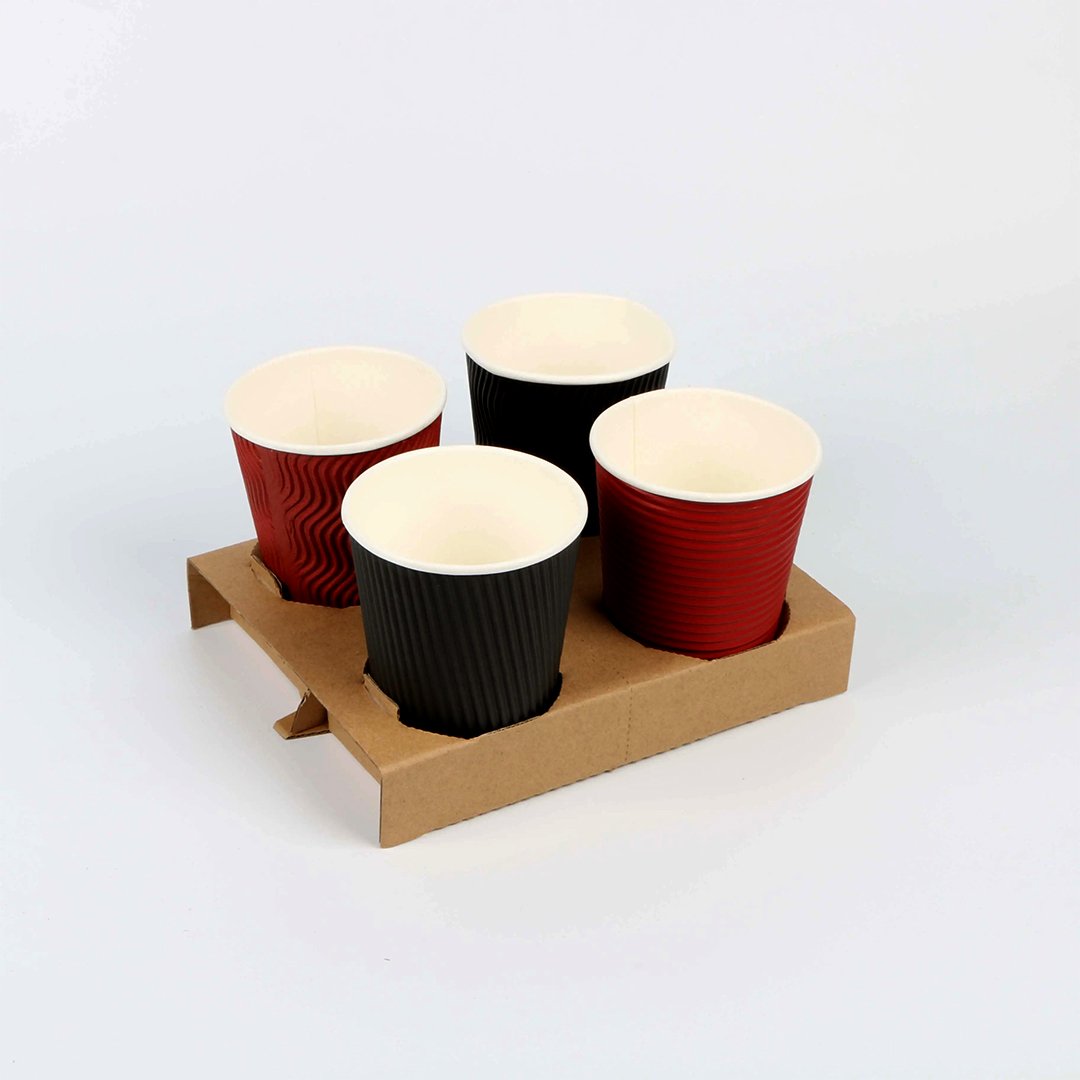
Double-wall construction provides superior thermal performance in compact formats. Two paperboard layers with air gap create effective insulation. Enhanced protection suits hot espresso and specialty beverages. Premium perception supports quality positioning. Higher material costs justify through improved customer experience and competitive differentiation.
Double wall small cups particularly suit specialty coffee programs where authentic presentation and customer comfort justify material premiums through enhanced experience and brand positioning.
Double-wall advantages include:
- Superior heat insulation protecting hands
- Premium quality perception supporting positioning
- Enhanced structural strength for hot liquids
- Comfortable handling throughout consumption
- Distinctive appearance differentiating offerings
Design Capabilities And Branding Strategies
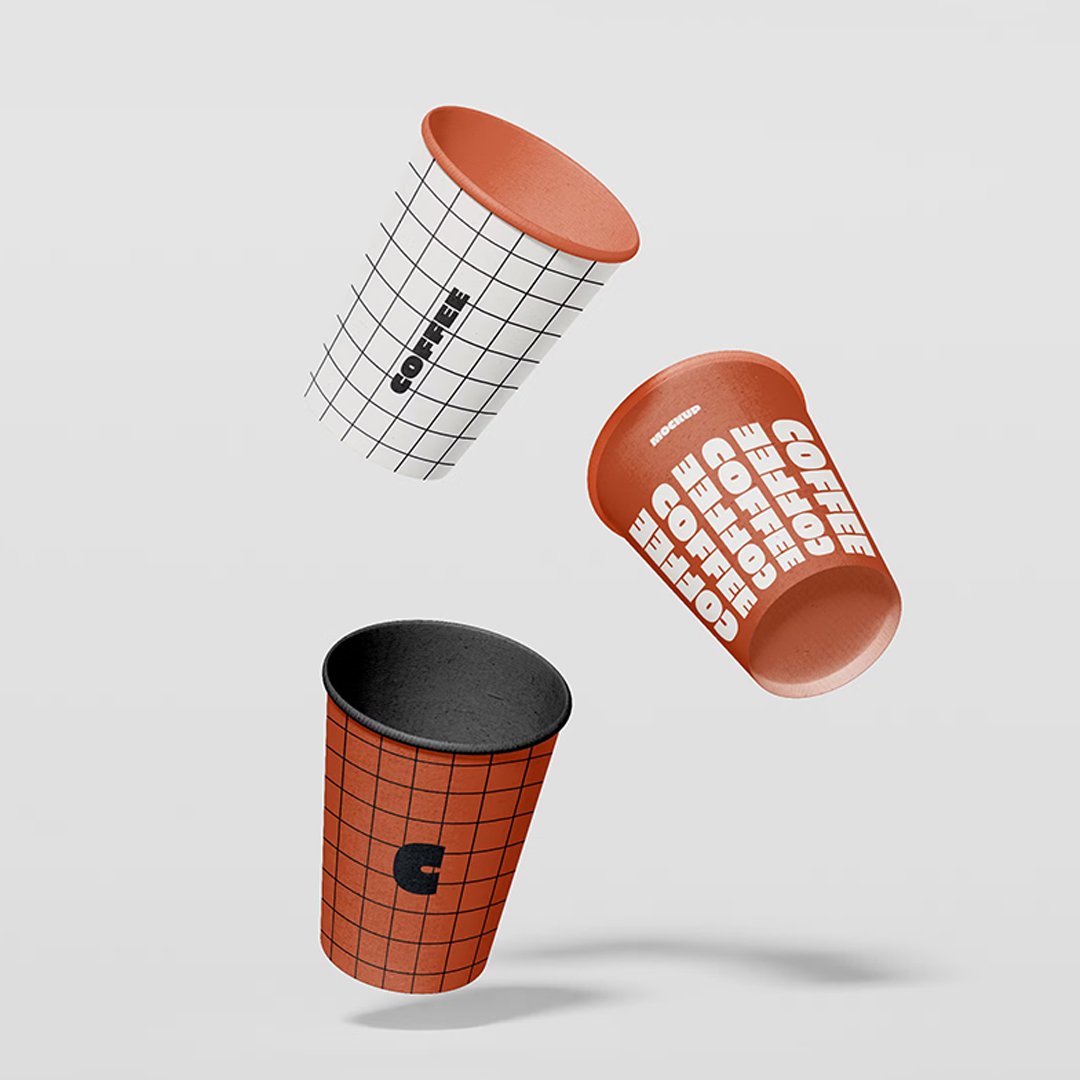
Small cup surfaces present design challenges requiring strategic approaches maximizing impact within limited space. Compact dimensions demand simplified graphics focusing on essential brand elements. Logo clarity remains paramount. High-contrast colors ensure visibility. Pattern designs create distinctive recognition. Effective small cup branding communicates identity without overwhelming functional containers.
Limited surface area requires design restraint prioritizing essential brand communication. Large simplified logos maintain visibility. Bold single-color backgrounds create impact. Minimal text prevents cluttered appearance. Strategic choices balance brand expression with functional clarity throughout professional beverage service where visual appeal enhances customer perception.
Small format design principles include:
- Simplified logos maintaining recognition clarity
- Bold color blocking ensuring immediate impact
- Minimal text focusing on brand essentials
- Pattern backgrounds creating distinctiveness
- Strategic white space preventing visual clutter
Design sophistication adapts to size constraints. Tiny espresso cups accommodate logos primarily. Slightly larger formats enable taglines. Restraint produces professional results avoiding amateurish overcrowding common in poorly designed small cup graphics.
Professional Pattern And Color Strategies
Pattern designs create brand recognition without detailed graphics. Repeating motifs cover surfaces attractively. Color psychology influences perception and appetite. Coordinated patterns across size ranges strengthen brand identity. Strategic pattern use transforms space limitations into distinctive branding opportunities throughout cardboard cup packaging where visual consistency builds customer recognition and loyalty.
Pattern consistency across product ranges creates cohesive brand families. Customers recognize patterns instantly. Coordinated designs strengthen market presence through memorable visual signatures distinguishing operations in competitive markets.
Pattern design approaches include:
- Geometric repeating elements creating visual rhythm
- Organic patterns suggesting natural ingredients
- Branded motifs reinforcing identity elements
- Color gradients adding depth and interest
- Texture simulations creating tactile appeal
| Design Element | Micro Sizes | Small Sizes | Upper Small | Multi-Size Program | Custom Signature |
|---|---|---|---|---|---|
| Logo Size | Large, simple | Standard | Detailed | Proportional scaling | Brand-specific |
| Text Amount | Minimal | Moderate | Standard | Coordinated | Strategic |
| Color Usage | 1-2 colors | 2-3 colors | Full color | Consistent palette | Unlimited |
| Complexity | Very simple | Simple | Moderate | Scalable system | Maximum |
| Recognition | Basic | Good | Strong | Excellent | Distinctive |
Lid Compatibility And Sealing Systems
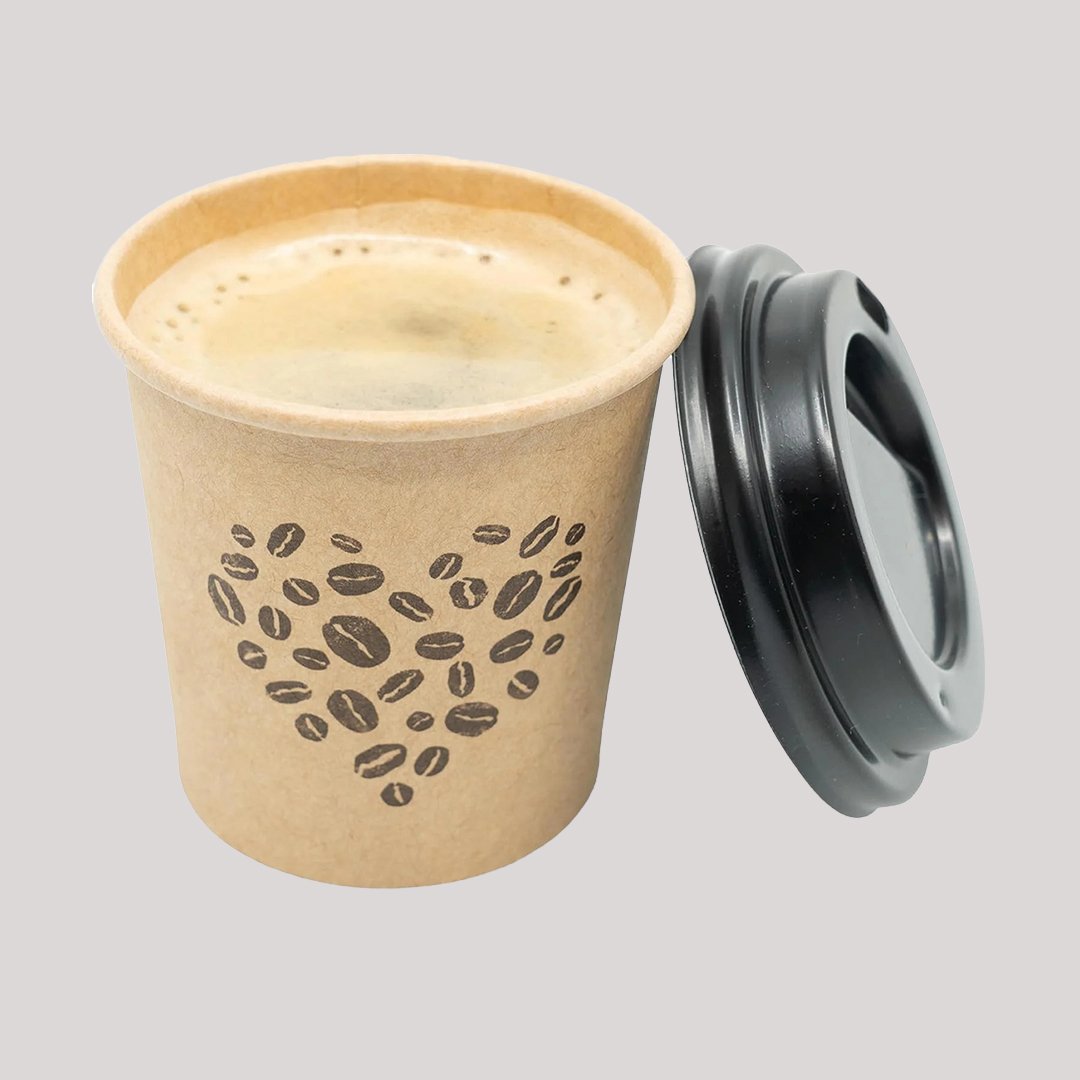
Small cup functionality often depends on appropriate lid availability. Secure sealing prevents spills during transport. Clear lids enable content visibility. Reclosable options support extended consumption. Lid matching ensures reliable sealing across temperature ranges and handling conditions supporting customer satisfaction and operational efficiency.
Different lid styles suit varied small cup applications. Flat lids provide basic coverage for samples. Dome lids accommodate foam and toppings. Sip lids enable drinking convenience. Straw-slot designs support children’s beverages. Each style serves specific functional requirements balancing convenience, containment, and cost considerations.
Lid style options include:
- Flat lids for basic coverage and economy
- Dome lids for foam and topping accommodation
- Sip lids enabling direct drinking convenience
- Straw-slot lids for children’s applications
- Reclosable lids supporting extended consumption
Lid selection should match beverage characteristics and customer needs. Hot beverages require heat-resistant lids. Cold drinks benefit from straw access. Samples may not need lids. Strategic lid matching optimizes both functionality and cost efficiency.
Seal Quality And Transport Security
Seal integrity determines spill prevention effectiveness during customer handling and transport. Proper cup rim formation ensures consistent sealing surfaces. Lid design creates secure attachment. Material compatibility prevents seal failure under temperature stress. Quality sealing protects customer clothing and vehicle interiors supporting satisfaction and repeat business.
Seal performance factors include:
- Cup rim consistency providing uniform sealing
- Lid fit precision preventing gaps and leakage
- Material flexibility accommodating variations
- Temperature stability maintaining seal integrity
- Pressure resistance preventing separation during handling
Testing validates seal performance under real-world conditions. Drop simulation tests handling stress. Temperature cycling confirms thermal stability. Pressure testing reveals potential failure points requiring design optimization before operational deployment.
Storage Efficiency And Space Management
Small cup dimensions provide substantial storage advantages in space-constrained operations. Compact footprint enables high-density storage. Efficient stacking maximizes vertical utilization. Organized systems support quick access. Proper storage maintains quality preventing damage or contamination throughout inventory cycles.
Space-efficient organization becomes critical in crowded commercial kitchens and service areas. Small cups occupy minimal footprint compared to standard sizes. Vertical stacking utilizes height efficiently. Protective packaging prevents crushing. Strategic placement near usage points reduces handling steps improving operational flow.
Storage optimization techniques include:
- High-density vertical stacking systems
- Protected packaging preventing damage
- Organized zones by size and application
- Usage-point proximity reducing steps
- FIFO rotation maintaining freshness
Storage efficiency particularly benefits small operations with limited space. Compact cup dimensions enable adequate inventory without excessive storage burden. Organized systems support operational efficiency during service periods.
Inventory Planning For Multiple Sizes
Operations serving various beverages often require multiple small cup sizes. Inventory management becomes complex coordinating different formats. Usage forecasting guides ordering quantities. Storage allocation balances availability against space constraints. Strategic planning optimizes inventory investment supporting service continuity without excessive capital commitment.
Inventory management considerations include:
- Usage data analysis across size ranges
- Space allocation balancing availability needs
- Supplier lead times affecting reorder timing
- Minimum order quantities from manufacturers
- Seasonal variations requiring adjustment
Effective inventory systems prevent stockouts while avoiding excess investment. Automated tracking maintains optimal levels. Supplier partnerships ensure reliable availability supporting uninterrupted operations.
| Operational Factor | Single Size Use | Multiple Size Use | High-Volume Single | High-Volume Multiple | Specialty Programs |
|---|---|---|---|---|---|
| Inventory Complexity | Simple | Moderate | Simple | Complex | Variable |
| Storage Requirements | Minimal | Moderate | Substantial | Maximum | Moderate |
| Ordering Frequency | Regular | Varied | Bulk scheduled | Complex scheduling | Custom |
| Staff Training | Basic | Moderate | Standard | Comprehensive | Specialized |
| Cost Management | Straightforward | Moderate complexity | Volume optimized | Complex optimization | Custom approach |
Cost Efficiency And Economic Benefits
Small cup economics favor operations prioritizing portion control and waste reduction. Minimal material usage reduces per-unit costs. Appropriate sizing prevents over-serving. Disposable convenience eliminates washing expenses. Economic advantages accumulate substantially across high-volume operations where cost efficiency directly impacts profitability.
Small format material requirements create inherent cost advantages compared to standard sizes. Reduced paperboard consumption lowers per-unit costs. Less coating material decreases expenses. Compact dimensions enable economical shipping. Material efficiency particularly benefits high-volume operations where small cost savings multiply significantly.
Cost efficiency factors include:
- Minimal paperboard usage reducing material costs
- Reduced coating application decreasing expenses
- Compact shipping enabling transportation savings
- Lower waste disposal costs from small volumes
- Inventory efficiency from space-saving dimensions
Cost advantages extend beyond simple material pricing. Storage efficiency, handling ease, and waste reduction all contribute to total ownership economics favoring small cup formats in appropriate applications.
Portion Control Economic Benefits
Appropriate serving sizes prevent over-serving reducing ingredient costs substantially. Precise portions ensure consistency. Customer satisfaction remains high with right-sized servings. Cost savings accumulate across numerous transactions. Portion control represents significant economic benefit particularly for expensive specialty beverages and ingredients.
Portion control advantages include:
- Reduced ingredient waste through precise servings
- Consistent customer experience across orders
- Lower beverage costs through controlled usage
- Inventory predictability enabling planning
- Menu pricing accuracy based on known costs
Data analysis quantifies portion control impact on operational economics. Cost savings often justify small cup programs through reduced waste and improved margin management supporting profitability objectives.