


Description
Natural Material Composition And Usage Of Kraft Paper Cups
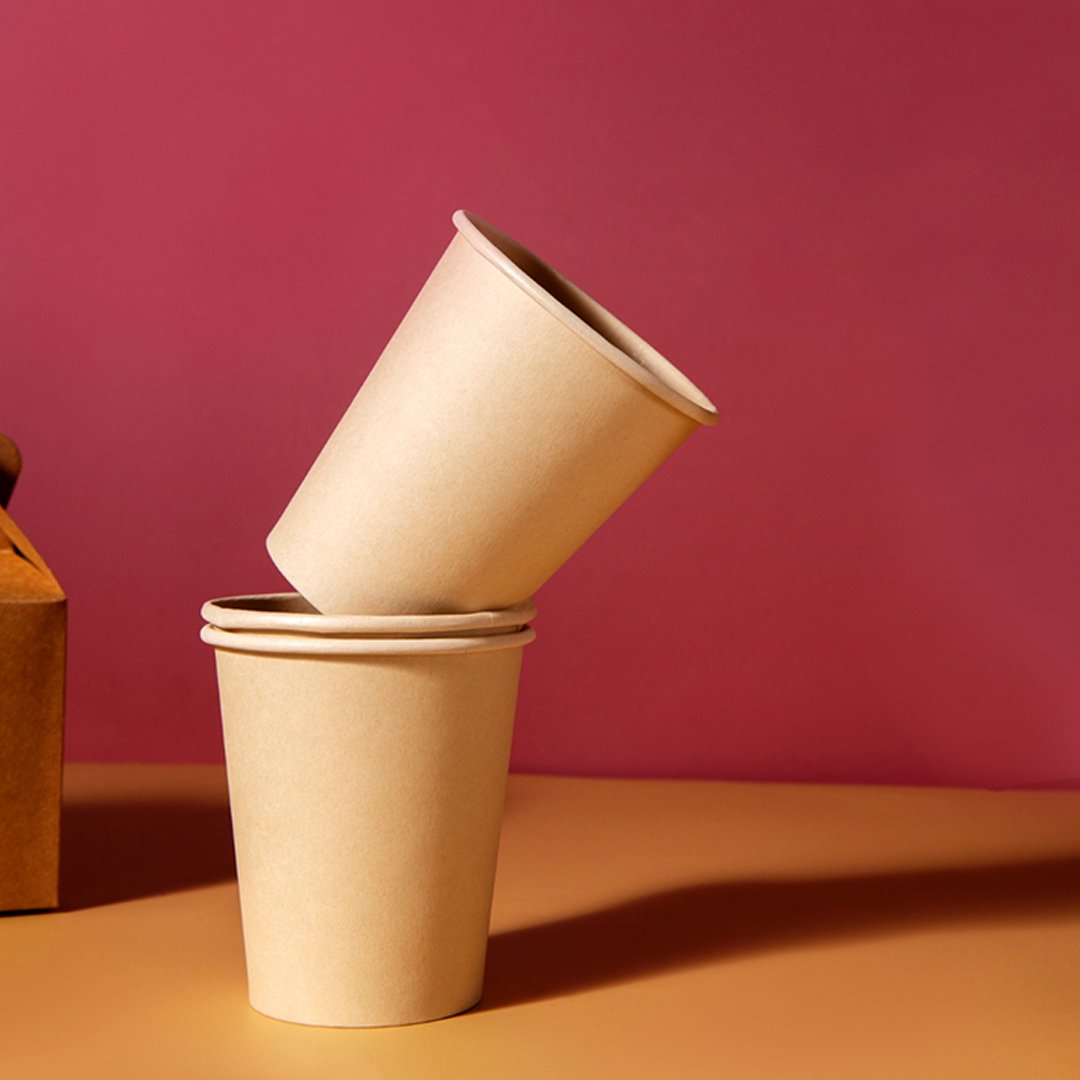
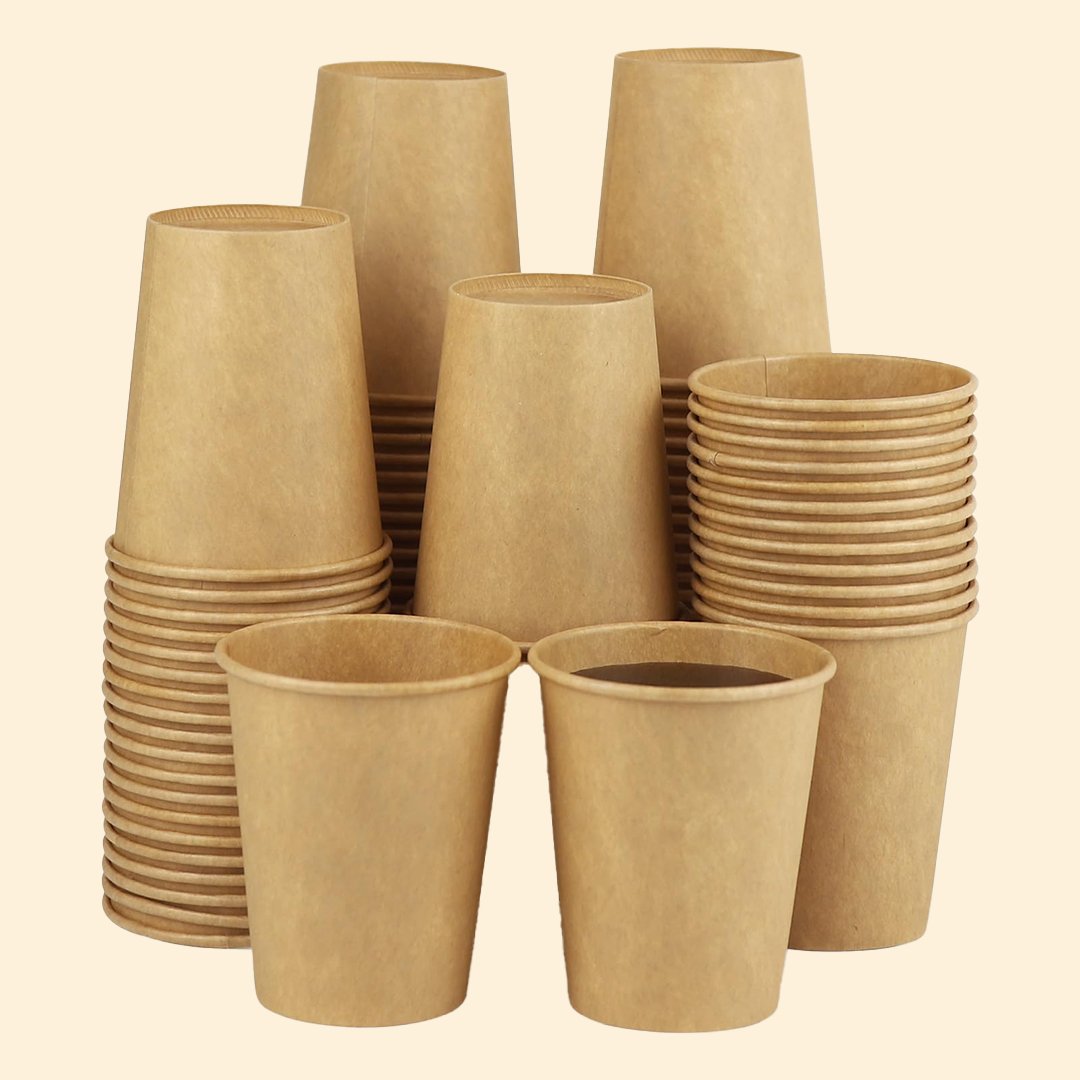
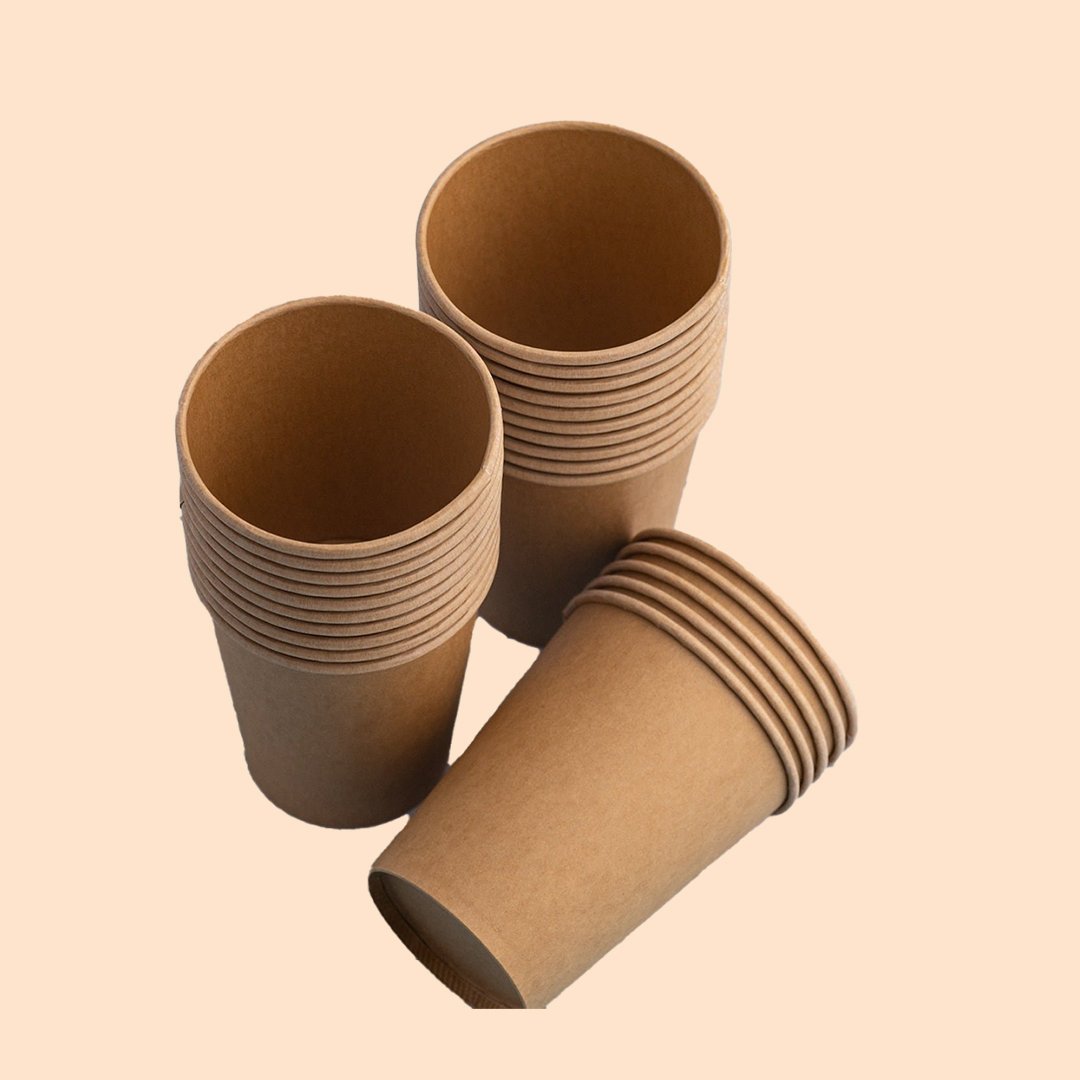
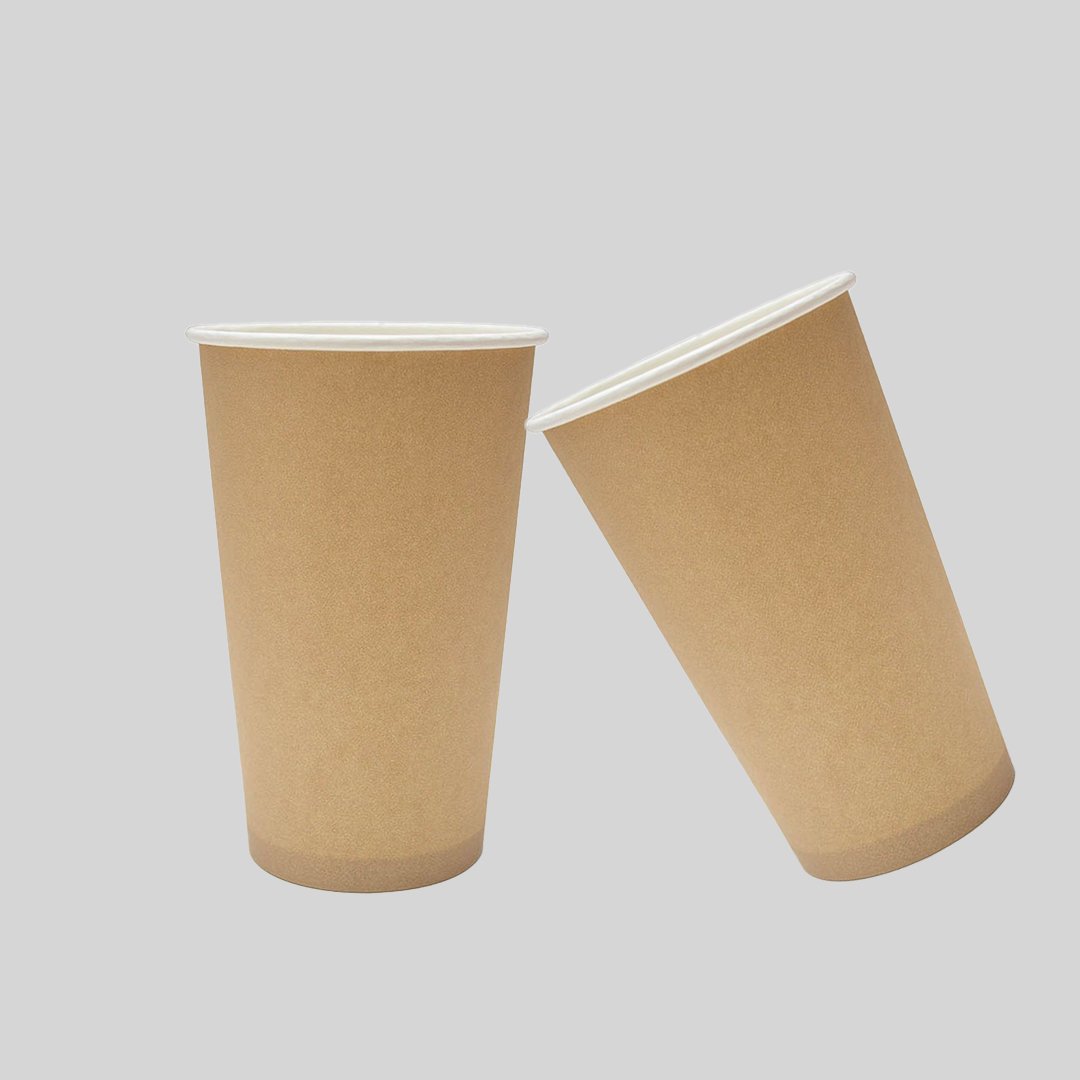
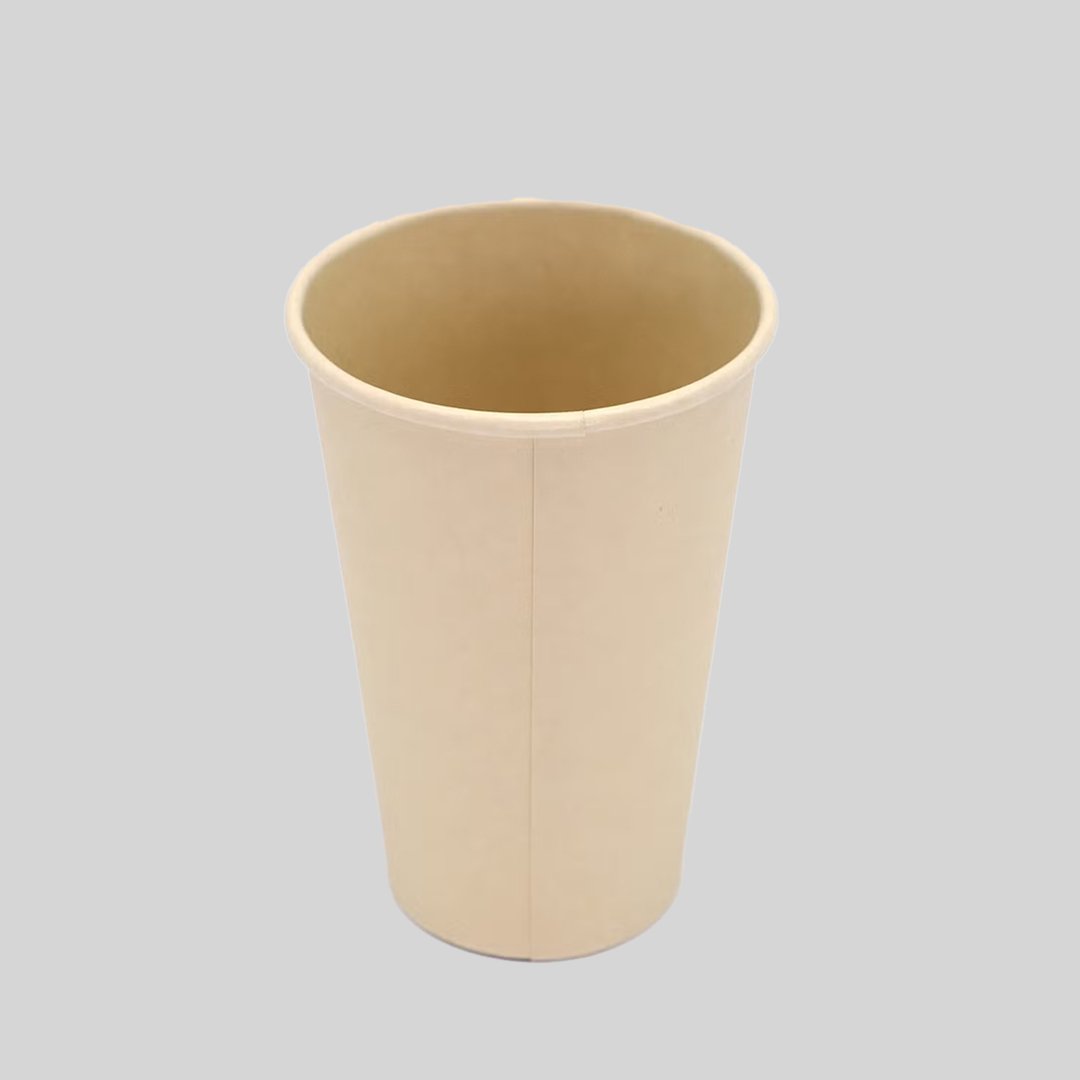
Kraft paper cups are known for their natural appearance and sturdy structure, making them a reliable option for beverage service where a simple, organic look is preferred. The base material used in these cups comes from unbleached paperboard, which retains its brown tone and offers a more raw surface compared to coated white alternatives. In many applications, kraft paper cup materials are selected because they balance strength with a natural texture that feels practical and easy to handle.
The outer surface of kraft cups has a slightly fibrous finish, which can improve grip and reduce slipping during use. Inside, a protective lining is applied to prevent liquid from weakening the paperboard. This combination allows the cup to maintain its shape while holding hot or cold beverages for the required duration. The structure is designed to support everyday use without adding unnecessary weight, making the cups easy to carry, stack, and store.
Kraft paper cups are also often chosen for their simple material identity. Their appearance does not rely on heavy surface treatment, which makes them suitable for setups where a minimal and clean presentation is needed. When planning consistent cup usage, some businesses request custom design with a free quote to align sizes and layout, while free delivery in USA may be available for bulk orders.
Material Properties Supporting Natural Paper Cup Structure
The key feature of kraft paper cups lies in the paperboard itself. Unlike heavily processed surfaces, kraft paper maintains more of its original fiber structure, which contributes to durability. This makes the cups less prone to tearing and helps them maintain form during handling. When comparing with eco material cup selection, kraft cups often provide a balance between structural strength and a natural appearance.
The inner lining plays an important role in performance. It acts as a barrier that keeps liquid from penetrating the outer layer. Without this lining, moisture would quickly weaken the cup. With it, the cup remains stable throughout its use cycle, whether for hot drinks or cold beverages.
-
Use natural paperboard for better grip and feel.
-
Maintain inner lining for liquid resistance.
-
Ensure base sealing prevents leakage.
-
Keep structure stable during handling.
-
Select appropriate thickness for application.
| Feature Focus | Material Element | Benefit | Suitable For | Notes |
|---|---|---|---|---|
| Paperboard | Kraft fiber | Strong structure | Beverages | Natural appearance |
| Inner Layer | Protective coating | Leak resistance | Hot/cold drinks | Maintains shape |
| Surface | Raw texture | Better grip | Handling | Less slip |
| Base Seal | Reinforced bottom | Stability | Liquids | Prevents seepage |
| Build | Lightweight form | Easy use | Daily service | Stackable |
Structural Balance Between Strength And Flexibility
Kraft paper cups are designed to balance firmness with flexibility. The paperboard needs to be strong enough to hold liquid, but also flexible enough to prevent cracking during forming. This balance ensures that the cup can be produced efficiently while still performing reliably.
When compared with recycling stream options, kraft paper cups can fit into systems where material separation is considered, although disposal practices depend on local guidelines. Their simple composition makes them a practical choice for environments where material clarity is important.
Functional Design And Performance In Beverage Service
Kraft paper cups are built to handle different beverage types while maintaining usability. Their design supports both hot and cold drinks, allowing them to be used in a variety of service conditions. The structure ensures that the cup remains stable, even when exposed to temperature changes.
The outer surface of kraft cups allows for simple layouts, while the natural tone provides a neutral background. This helps maintain clarity in presentation without relying on complex finishes. When paired with kraft coffee service cups, a consistent appearance can be achieved across different cup sizes and formats.
Lining And Barrier Layers For Liquid Containment
The inner lining of kraft paper cups is essential for maintaining performance. It creates a barrier that prevents liquid from soaking into the paperboard. This helps keep the outer surface dry and ensures that the cup remains firm during use.
When comparing with paper based lining styles, different types of coatings can be applied depending on the intended use. Some options are designed for hot beverages, while others are suitable for cold drinks. The choice of lining affects how long the cup can hold liquid without losing strength.
-
Select lining based on beverage temperature.
-
Maintain barrier layer for moisture control.
-
Ensure compatibility with hot and cold drinks.
-
Keep structure stable under liquid weight.
-
Choose appropriate material thickness.
| Feature Focus | Design Option | Benefit | Usage | Notes |
|---|---|---|---|---|
| Lining | Barrier coating | Prevents soaking | Liquids | Maintains strength |
| Structure | Thick paperboard | Stability | Hot drinks | Durable |
| Rim | Smooth edge | Comfortable use | Drinking | Easy sip |
| Base | Sealed bottom | Leak prevention | Handling | Reliable |
| Surface | Natural finish | Simple appearance | Presentation | Clean look |
Usability Across Different Beverage Conditions
Kraft paper cups perform well in both hot and cold beverage settings. Their structure allows them to maintain shape under varying temperatures, making them suitable for multiple uses.
They are often used for coffee, tea, juices, and other drinks where a simple and functional cup is required. The natural material also provides a consistent appearance that fits different environments.
Production Process And Material Handling Approach
The manufacturing of kraft paper cups involves several steps to ensure consistent quality. The process begins with selecting kraft paperboard, which is then cut into blanks. These blanks are shaped into cups, and the inner lining is applied to create a moisture barrier.
The base is sealed to prevent leakage, and the rim is formed to provide a smooth edge for drinking. Each step is designed to maintain the structural integrity of the cup while ensuring usability.
Quality Control And Consistency In Manufacturing
Quality checks are performed during production to ensure that the cups meet performance standards. These checks include testing for leakage, strength, and consistency in shape.
This helps ensure that each cup performs reliably during use.
Material Efficiency And Handling Considerations
Kraft paper cups are designed to use materials efficiently while maintaining performance. The thickness of the paperboard can be adjusted based on the intended application, allowing flexibility in production.
Manufacturers focus on balancing material usage with durability to ensure that the cups remain practical and cost-effective.
Storage And Handling Guidelines For Kraft Paper Cups
Proper storage is important for maintaining the quality of kraft paper cups. Keeping them in a dry environment helps prevent moisture from affecting the material.
The cups should be stored in their original packaging to protect them from dust and damage. Proper handling ensures that the cups remain ready for use without deformation.
Storage Conditions To Maintain Cup Integrity
-
Keep in a dry and cool environment
-
Avoid exposure to moisture
-
Store in protective packaging
-
Maintain clean storage areas
Handling Practices For Efficient Use
Handling kraft paper cups correctly helps maintain their structure and usability. The lightweight design allows for easy movement, while proper stacking ensures that the cups remain in good condition.
-
Handle cups with clean hands.
-
Avoid crushing during transport.
-
Maintain organized stacking.
-
Use protective packaging.
-
Ensure proper storage conditions.