

Description
Soft Tone Presentation With Pink Paper Cups
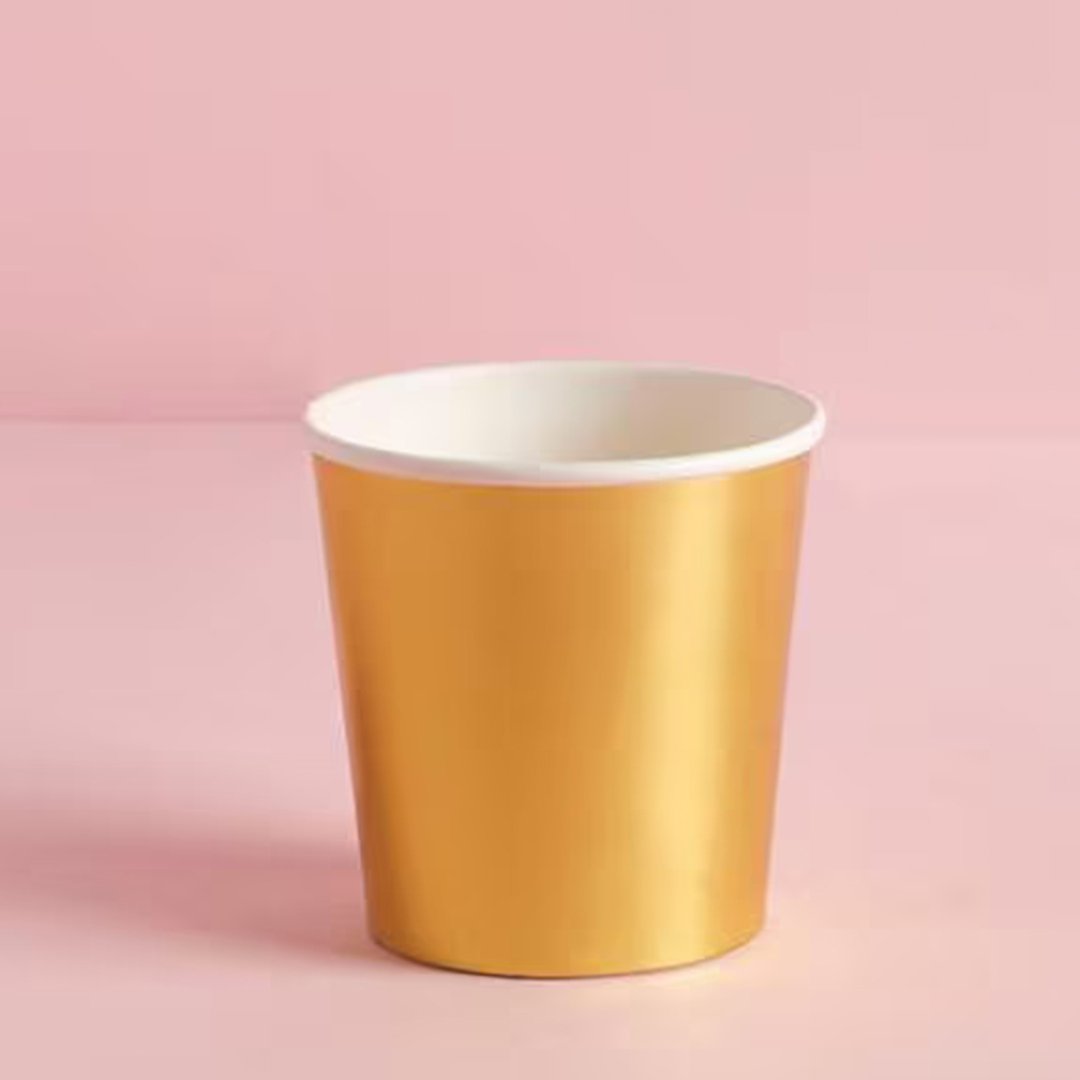
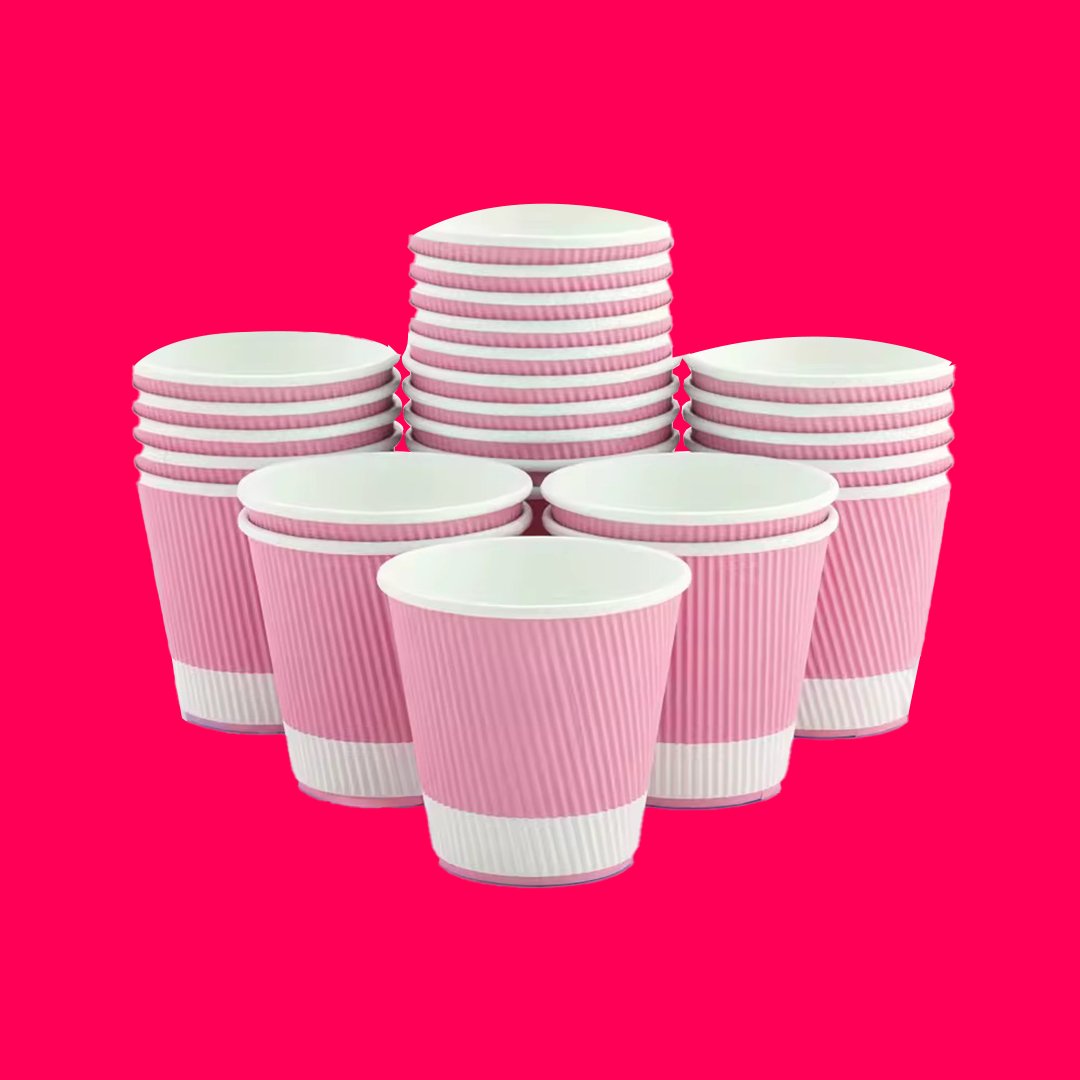
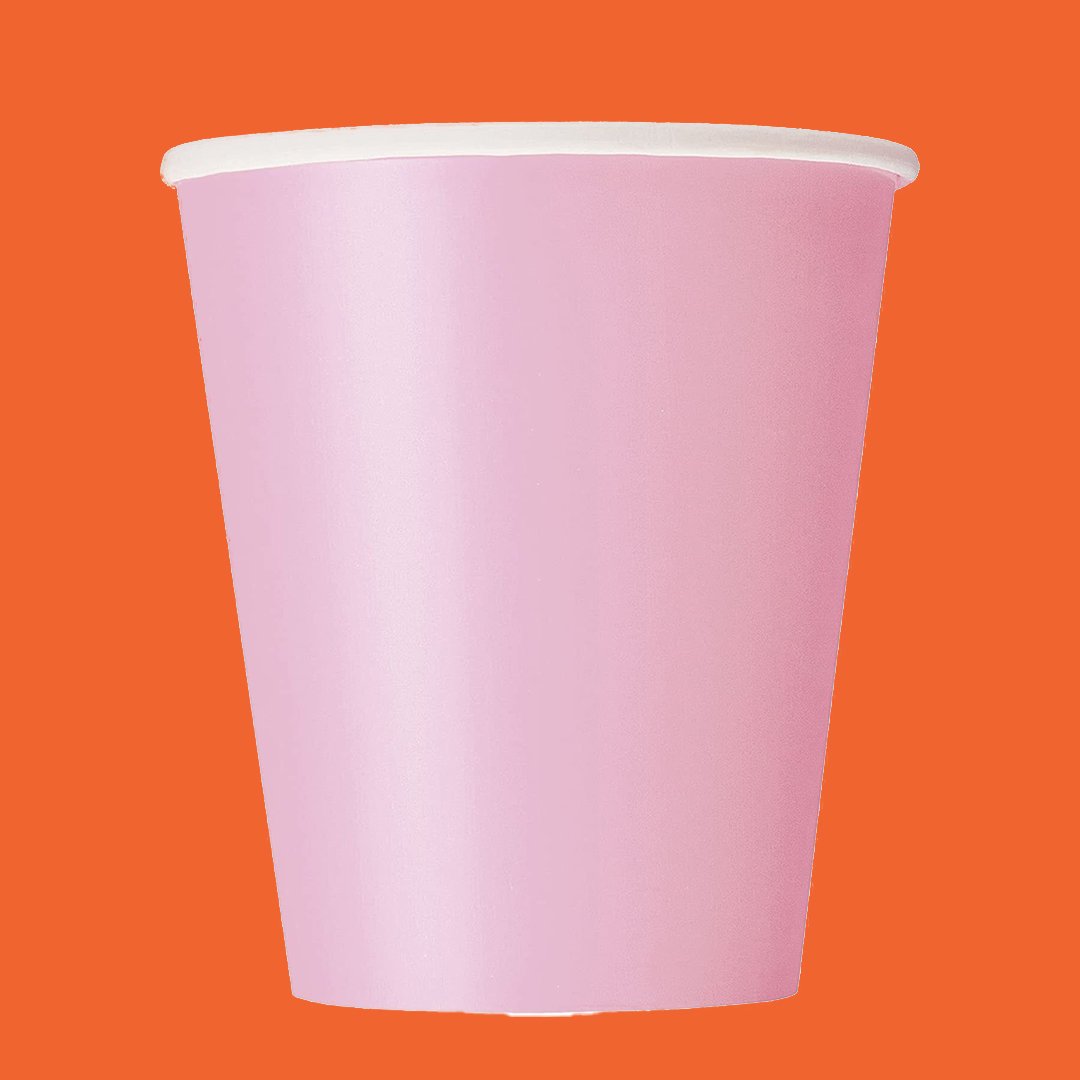
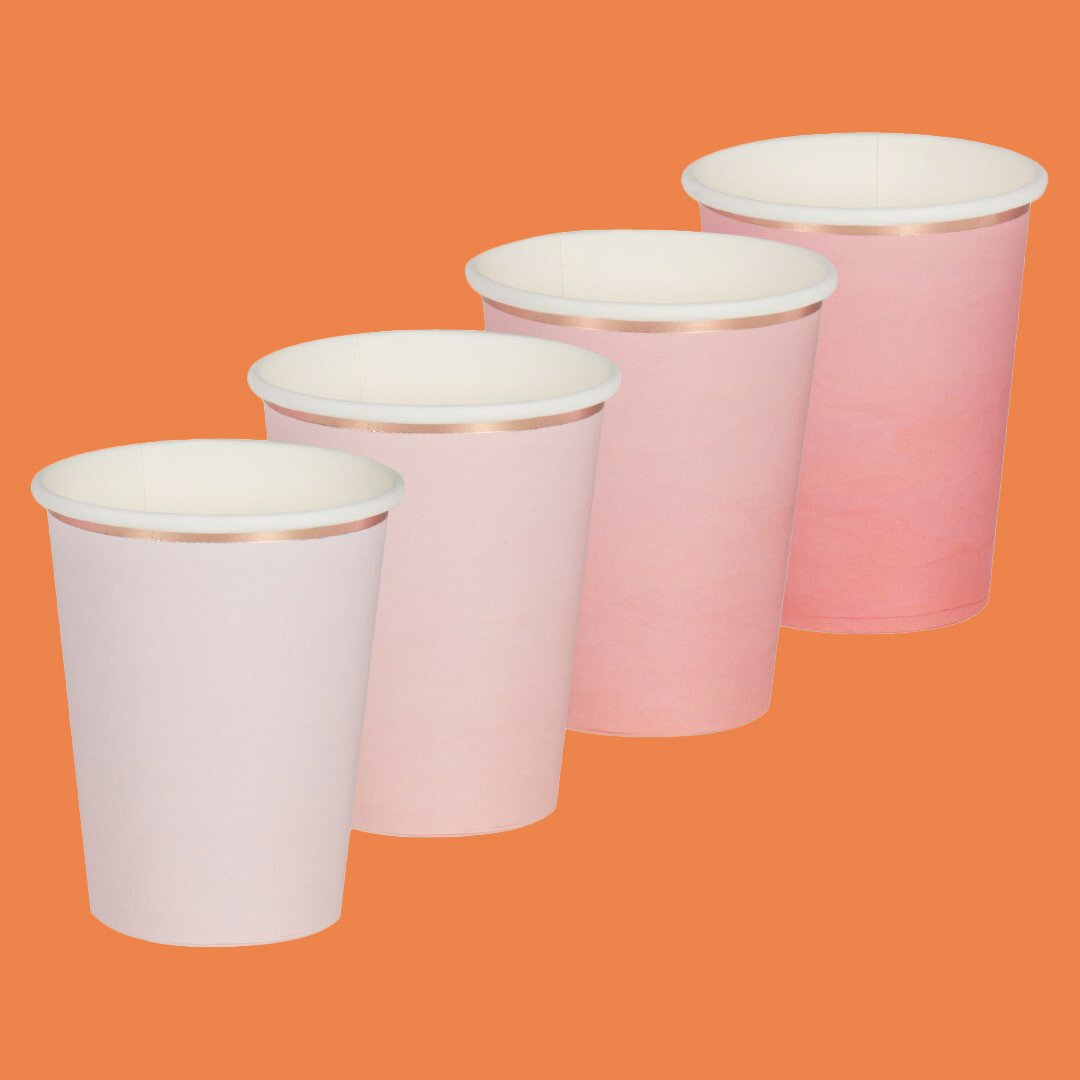
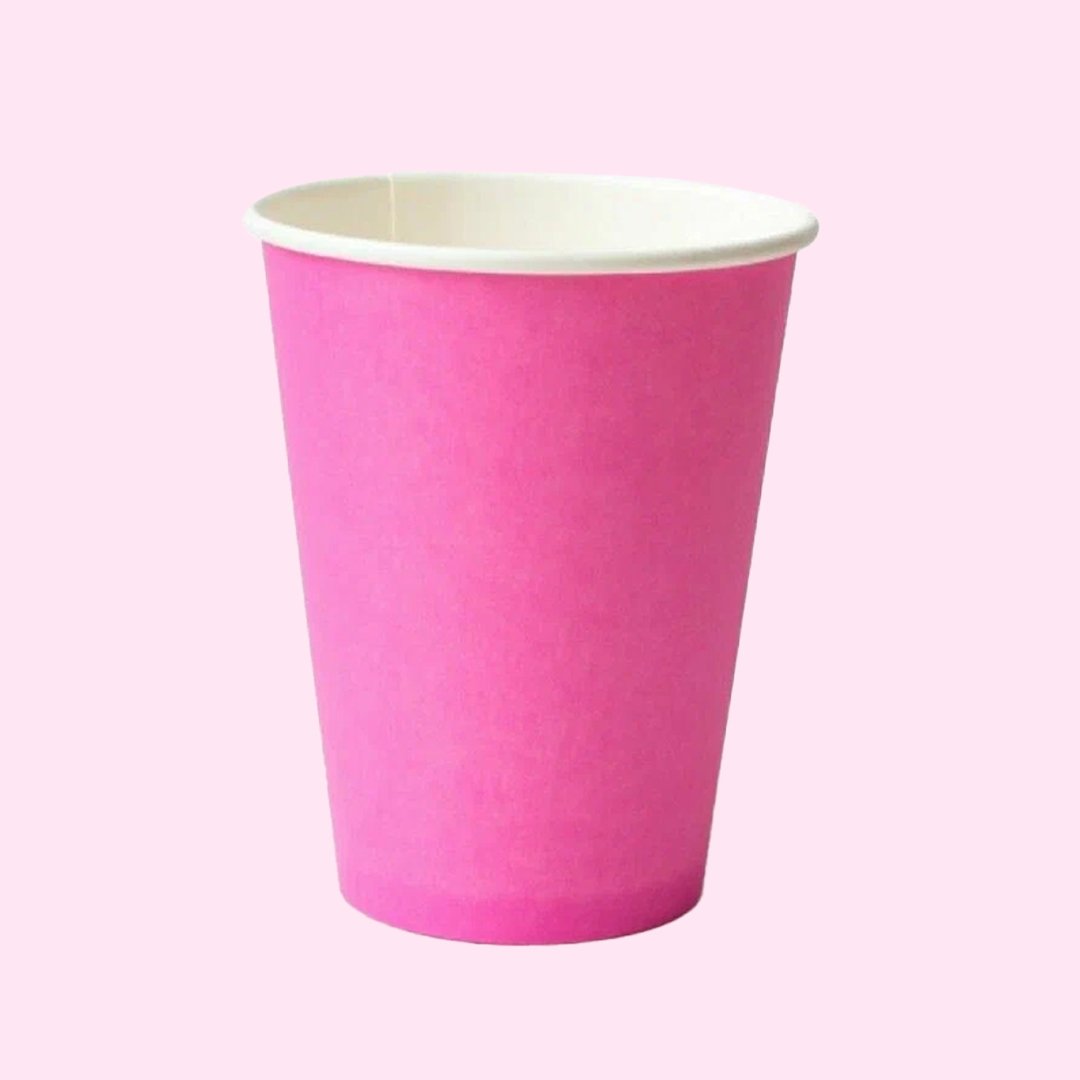
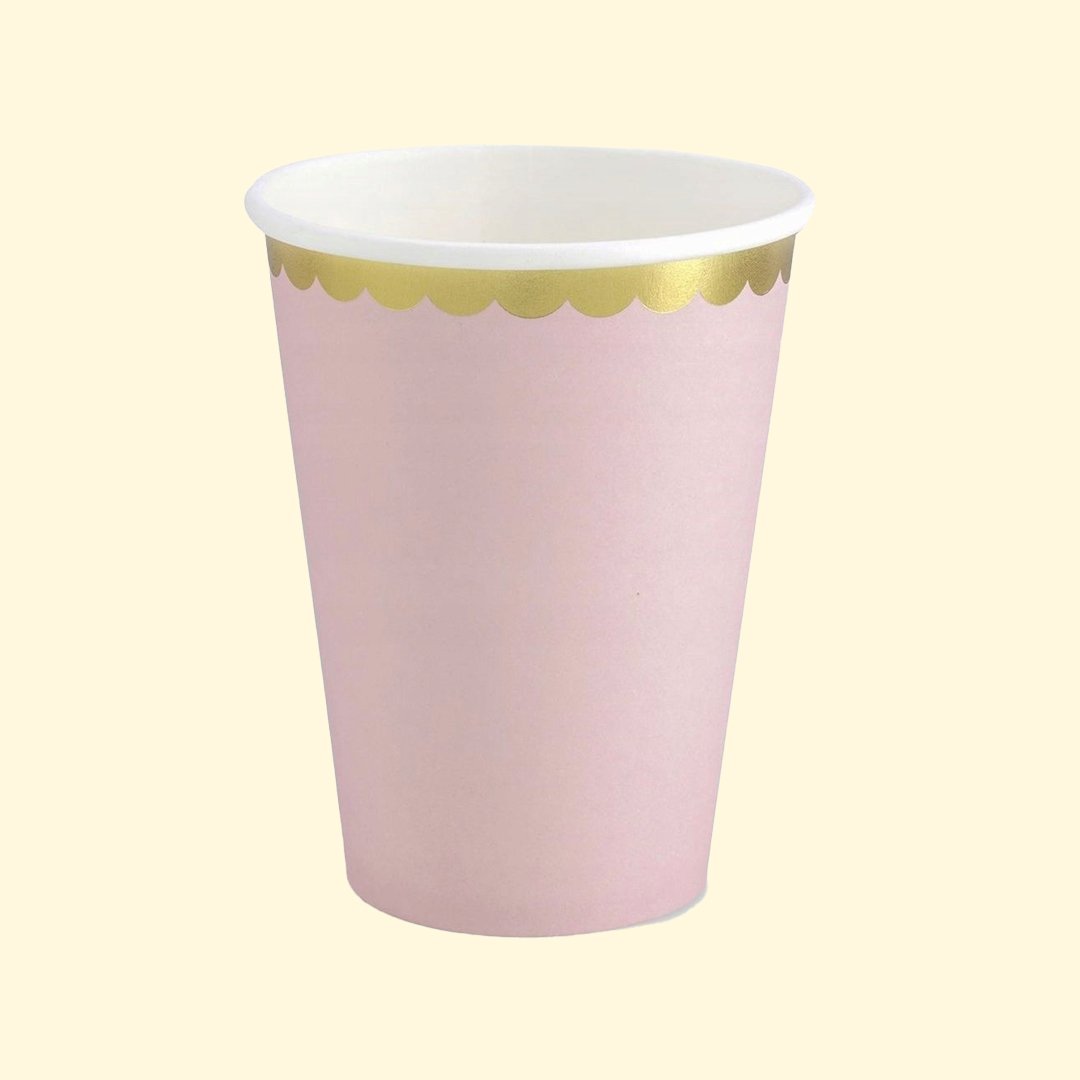
Pink paper cups introduce a gentle color presence that can shift how beverage service looks without changing how it works. In setups where appearance matters, pastel color paper cups help create a calm visual flow that feels organized rather than overly bold. This makes them suitable for environments where colors are used to guide attention or match a theme without becoming distracting.
The structure of the cup remains focused on usability. Paperboard is shaped to hold liquids without losing form, while the inner layer helps limit moisture absorption so the outer surface stays dry. This balance between visual tone and functional design ensures that the cup performs as expected while still supporting a softer presentation.
Pink paper cups are often used when a specific color is needed to match branding, seasonal layouts, or event coordination. Instead of relying on strong or high-contrast colors, this tone allows a smoother visual transition between different elements. When consistency across multiple sizes is required, many buyers request a free quote and custom design to keep alignment across products, and free delivery in USA may be available for larger orders.
Surface Color Application For Balanced Appearance
The way color is applied on pink paper cups plays an important role in how the final product looks during use. A smooth outer layer ensures that the color remains even, without patchiness or variation. When compared with clean style drink cups, which focus on plain surfaces, pink cups provide a subtle shift in presentation without affecting usability.
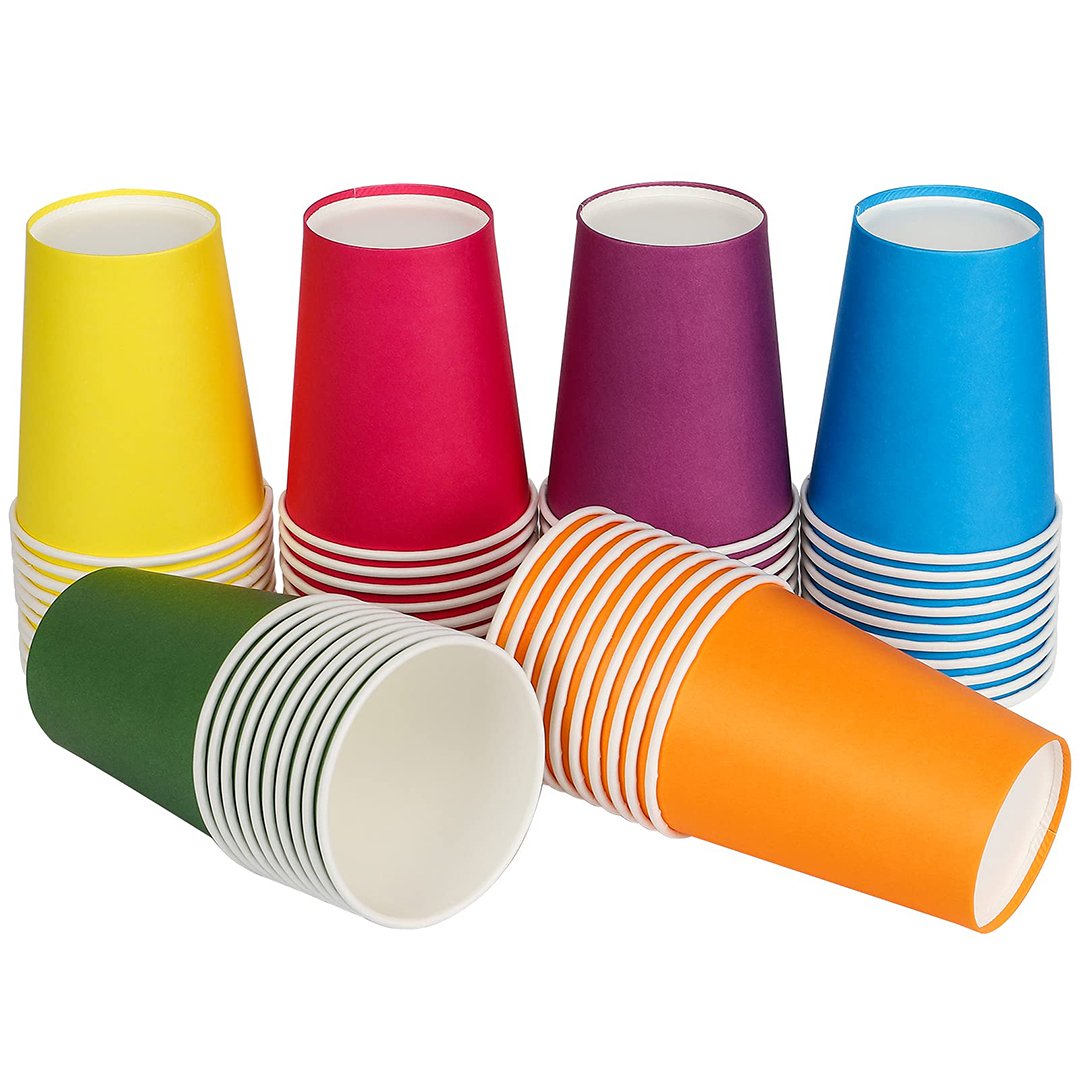
This type of color application is useful when cups are displayed in stacks or arranged across serving areas. The consistent tone helps maintain order, especially in setups where multiple colors are used to separate drink types. The finish is designed to stay visible throughout use, even when the cup is handled frequently.
-
Maintain even color distribution across the surface.
-
Ensure coating supports consistent tone.
-
Keep outer layer smooth for visual clarity.
-
Use stable materials to prevent fading.
-
Allow stacking without surface marks.
| Feature Focus | Surface Element | Benefit | Suitable For | Notes |
|---|---|---|---|---|
| Color Finish | Pink coating | Soft appearance | Events | Consistent tone |
| Surface Layer | Smooth texture | Clean look | Presentation | Maintains clarity |
| Inner Barrier | Protective lining | Liquid control | Drinks | Supports structure |
| Rim Shape | Rounded edge | Comfortable use | Drinking | Easy sip |
| Stack Design | Nested cups | Space saving | Storage | Organized layout |
Paper Structure That Maintains Cup Integrity
The performance of pink paper cups depends on how well the paperboard and lining work together. The outer layer provides shape, while the inner barrier helps prevent liquid from weakening the structure. This ensures that the cup remains stable during use, regardless of the beverage type.
When compared with accent tone paper cups, which often use deeper colors, pink cups rely on lighter tones that require consistent coating to maintain appearance. Even with this lighter tone, the structural performance remains the same. The base is sealed to hold liquids securely, and the walls provide enough strength to support the drink without bending.
Usage Adaptability And Layout Flexibility
Pink paper cups are not limited to one type of use. Their design allows them to work in different environments, from casual setups to more structured arrangements. The color helps define sections or categories, while the structure supports consistent performance across all uses.
In environments where multiple cup styles are used together, pink cups can create visual contrast without overwhelming the layout. When placed next to strong tone drink cups, the softer shade helps balance the overall look, making the setup easier to navigate.
Visual Arrangement For Organized Serving Spaces
Organizing beverage stations becomes easier when color is used as a guiding element. Pink paper cups can be placed in specific areas to indicate drink types, portion sizes, or service sections. This helps users identify their options quickly without needing additional labeling.
The smooth surface allows for clear layouts, whether simple or detailed. Minimal designs can highlight the color itself, while more detailed layouts can add variety without reducing readability.
Common layout approaches include:
-
Soft color emphasis with minimal graphics
-
Repeating patterns for visual consistency
-
Simple marks for identification
-
Balanced spacing for readability
These methods help maintain clarity while supporting the visual role of the cup.
Functional Elements That Support Everyday Handling
While appearance plays a role, functionality remains essential. Pink paper cups include design elements that ensure they are easy to use in different situations. These features help maintain performance without adding complexity.
-
Maintain smooth rim for comfortable sipping.
-
Use stable base for secure placement.
-
Ensure inner layer prevents seepage.
-
Keep structure lightweight for handling.
-
Allow easy separation from stacks.
| Feature Focus | Design Element | Benefit | Usage | Notes |
|---|---|---|---|---|
| Surface | Colored layer | Visual clarity | Display | Maintains tone |
| Rim | Rounded edge | Comfort | Drinking | Smooth feel |
| Base | Balanced bottom | Stability | Liquids | Prevents tipping |
| Structure | Lightweight form | Easy use | Daily service | Efficient |
| Shape | Standard profile | Space saving | Storage | Stackable |
Integration With Pattern Based Cup Styles
Pink paper cups can also be combined with decorative options to create a more dynamic presentation. For example, pattern led cup designs introduce visual variation while maintaining the same structural performance.
This combination allows setups to use both solid colors and patterned styles without affecting usability. It also helps create a layered presentation where different cups serve different visual roles.
Material Selection And Production Approach
The production of pink paper cups involves selecting paperboard that can support both structural strength and color application. The outer layer is treated to achieve the desired shade, while the inner layer is applied to manage liquid contact. This ensures that the cup performs reliably while maintaining its appearance.
The manufacturing process includes forming the cup shape, sealing the base, and finishing the rim. Each step is designed to maintain consistency across batches, ensuring that the cups remain uniform in both structure and color.
Production Steps That Ensure Uniform Results
Several stages are involved in producing pink paper cups. These stages help ensure that each cup meets performance expectations while maintaining visual consistency.
Common steps include:
-
Selecting paperboard material
-
Applying color coating
-
Adding inner lining
-
Forming cup structure
-
Sealing base and shaping rim
Quality checks are carried out throughout the process to confirm that the cups meet required standards. These checks include testing for strength, leakage, and color consistency.
Material Options Supporting Different Requirements
Different material choices can be made depending on the intended use. These options help maintain performance while supporting the desired appearance.
Common material options include:
-
Standard paperboard for general use
-
Thicker board for added durability
-
Moisture-resistant coatings
-
Food-safe materials for direct contact
Storage Conditions And Handling Methods
Proper storage helps maintain both the structure and appearance of pink paper cups. Keeping them in a controlled environment ensures that the color remains consistent and the material does not weaken before use.
Exposure to moisture can affect both the structure and the outer layer, so it is important to store the cups in a dry location. The stackable design allows for efficient storage, making it easier to manage large quantities.
Storage Guidelines For Maintaining Quality
-
Store in dry and cool areas
-
Avoid direct sunlight exposure
-
Keep cups in protective packaging
-
Prevent contact with moisture
Handling Practices For Efficient Use
Proper handling ensures that the cups remain in good condition during use. The lightweight structure allows for easy movement, while the stackable design supports quick access.
-
Handle cups carefully to avoid bending.
-
Maintain organized stacking for efficiency.
-
Keep storage areas clean.
-
Avoid excessive pressure during transport.
-
Use protective packaging where needed.
| Feature Focus | Storage Element | Benefit | Suitable For | Notes |
|---|---|---|---|---|
| Environment | Dry storage | Prevents damage | Warehousing | Maintains quality |
| Packaging | Protective wrap | Keeps shape intact | Bulk storage | Reduces exposure |
| Handling | Lightweight stacks | Easy movement | Daily use | Efficient flow |
| Cleanliness | Controlled area | Hygienic use | Food contact | Safe handling |
| Organization | Stackable form | Space saving | Storage | Structured setup |
Practical Use Across Different Serving Setups
Pink paper cups are used in various environments where both function and presentation matter. Their color allows them to fit into themed setups, while their structure supports consistent performance.
These cups can be used for hot and cold beverages, making them suitable for different applications. The combination of color and usability allows them to adapt to various needs without requiring changes in handling.
Consistent Performance In Beverage Service
The design of pink paper cups ensures that they perform reliably during use. The paperboard structure supports the liquid, while the inner lining helps maintain stability. This ensures that the cup remains functional throughout its use cycle.
The shape allows for easy handling, making the cup suitable for repeated use in busy environments.
Flexible Application Across Beverage Needs
Pink paper cups can be used in different settings, including events, daily service, and themed arrangements. Their design allows them to adapt to various requirements while maintaining consistent performance.
This flexibility makes them a practical choice for a wide range of beverage applications.